

 By Alex Bennett
Published
By Alex Bennett
Published
Pizza Decision Wheel for Late Night Ordering
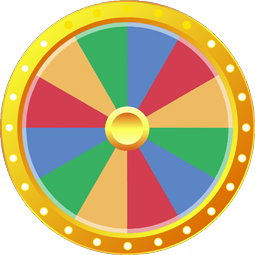
Pizza Decision Wheel is a free online wheel spinner with 24 options, including Margherita, Truffle Oil and Prosciutto. Click or tap the wheel and it stops on one random result.
A pizza decision wheel is not about making dinner random for no reason. It gives tired hunger one clear path before the order screen turns into a slow topping debate.
The real issue starts late, after work, when appetite is loud but focus is thin. You want food soon, not a full comparison session.
Actually, more toppings do not make the choice better. They often make the order slower, especially when hunger cues push for speed and your brain keeps reopening the same options.
Late night ordering habits when hunger takes over
Late at night, careful selection usually collapses into repeated scrolling. The pizza decision wheel works because it reduces the order to one controlled prompt, then lets the result carry the meal forward.
If the table wants more control than a single topping result, a build your own pizza path keeps the same fast momentum while letting the final order feel more personal.
Keep the hunger simple. The point is not perfect optimization; it is getting dinner moving before fatigue wins.
Classic toppings versus experimental choices at dinner
The myth is that familiar pizza choices are always safer. Actually, familiar options can still create delay when everyone keeps comparing comfort, novelty, and appetite at the same time.
A peppery slice, a vegetable heavy option, or a richer cheese direction can each make sense in a different mood. For cleaner structure, a cleaner pizza selection setup can separate the choice from the pressure around it.
That small separation matters. It turns the topping question into a result you can accept, not another loop to restart.
The craving driven mindset behind impulsive dinner choices
Cravings feel direct, but they are not always clear. One minute the order should be bold and spicy; the next minute it should be warm, familiar, and easy to finish.
That is where a pizza decision wheel fits the late night logic. It respects the craving without asking tired attention to rank every possible crust, sauce, and topping combination.
For nights when the craving moves outside pizza, a faster food direction under pressure can keep the same reward focused rhythm without turning dinner into a longer search.
Satisfying hunger quickly with one confident pizza choice
The false idea is that confidence must come from analysis. At dinner time, confidence often comes from closure.
A random pizza decision wheel creates that closure by giving the order a stopping point. The result may feel playful, but the effect is practical less scrolling, less second guessing, and a faster path from appetite to food.
Let the answer land. Once the topping direction feels acceptable, the best move is to stop reopening the menu.
Pizza decision core
A strong pizza choice is not only about taste. It takes the effort out of choosing right when you are hungry, tired, and overwhelmed by too many options.
That same logic matches a firm yes or no trigger, where the value comes from cutting a mental loop before it grows into another round of hesitation.
Late night ordering works best when the tool does not feel like another task. The result should widen the moment just enough to move from craving to action, and broader food choice momentum without delay keeps that feeling connected to the larger habit of quick, low friction decisions.
Pick one topping path and order your pizza tonight
Which pizza toppings are on this wheel?
The wheel includes 24 options ranging from classics like Margherita, Pepperoni, and 4 Cheese to specialties such as Truffle Oil and Garlic Prawn. Each slice has equal odds using cryptographic random selection. If your local pizzeria serves calzones or Greek Pizza, those are already preloaded among the choices.
Can I remove pizzas I do not like?
You can delete unwanted toppings directly in the list next to the wheel. If you dislike Anchovy, Hawaiian, or Eggplant, remove them from the list and the wheel will instantly redraw without those slices. You can also turn on an option that removes winning slices after each spin so no flavour is picked twice.
How do I paste an entire pizza menu into Text Mode?
Switch to Text Mode next to the wheel and paste your full list directly into the box, formatted with one topping per line. This lets you replace the default entries with choices from your specific takeout spot without typing them individually. The wheel updates immediately when you save, and there is no fixed limit on entries.
Does this pizza wheel work on a phone for group orders?
This wheel works fully in web browsers on phones and tablets without installing an app. When ordering with friends, you can pass the device around to spin for options like Meat Feast, Veggie, or Buffalo Chick. Slices maintain equal size automatically, and you can mute ticking and win sounds if you need quiet.
More Food wheels you might like
More wheels from the same category. Pick one and spin it in seconds.