

 By Maya Brooks
Published
By Maya Brooks
Published
Rocket League Car Choices That Tighten Competitive Control
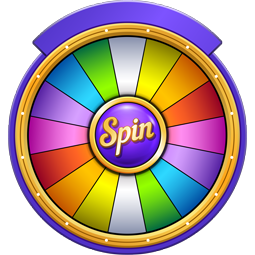
Rocket League Car Wheel is a free random picker that holds 24 options such as Octane, Paladin and Grog. One spin lands on exactly one of them — no signup and no download.
Rocket League Car decisions usually break down after two or three bad aerial reads. One missed recovery turns into another rushed challenge, then ranked momentum disappears. The problem is not always mechanics. Sometimes the body shape and hitbox feel stop matching the speed of the match.
Most players keep swapping between cars after every frustrating session. That reaction creates slower adaptation instead of faster improvement. A stable setup matters more than chasing random trends from highlight clips or pro rotations.
Inside the broader competitive game situations shaped by split second reactions, consistency usually beats experimentation when ranked pressure starts building.
Returning to familiar hitboxes after missed aerial reads
Mechanical trust disappears quickly after failed aerial touches. One weak clear often pushes players toward changing everything at once, especially when fast recoveries stop feeling automatic. Rocket League Car confidence improves when the same hitbox keeps reinforcing muscle memory instead of constantly resetting it.
Octane style movement tends to calm down rushed gameplay because the visual shape lines up with common aerial expectations. Dominus users often prefer sharper front end reads during angled strikes. Smaller visual frames like Takumi or Breakout can feel faster even when the actual hitbox logic stays close underneath.
The shift becomes easier when players move toward a cleaner visual identity built around familiar movement timing. Small visual comfort changes reduce hesitation during fast rotations.
Short adjustments matter more than dramatic rebuilds. Ranked matches punish constant experimentation.
Balancing lighter control against heavier recovery movement
Most players think heavier looking bodies automatically slow down recovery speed. They are wrong. The real issue comes from perception. Merc, Road Hog, or Grog can feel delayed simply because the visual frame changes how reaction timing is interpreted under pressure.
That mismatch grows during stressful overtime situations where every challenge feels rushed. Players start flipping early, overcorrecting aerial paths, or abandoning positioning discipline after a single awkward recovery. A Rocket League Car setup only works long term when visual feedback and controller timing stay synchronized.
Competitive tension becomes sharper inside fast paced multiplayer environments driven by unpredictable team pressure. The mental carryover between games is real. Reaction habits follow emotional momentum.
Some players lock onto Fennec because the body frame feels precise during wall transitions. Others stabilize faster with flatter shapes like Dominus or Skyline because visual alignment improves rebound prediction. The important part is consistency under pressure, not internet consensus.
Maintaining aerial timing during long ranked sessions
Late session fatigue changes everything. Aerial reads that felt automatic earlier suddenly become half a second late. Flip timing drifts. Recovery routes get messy. That is where controlled repetition matters more than mechanical talent.
Rocket League Car stability creates fewer mental recalculations during long play sessions. The brain stops reprocessing hitbox expectations every match and starts reacting automatically instead. Cleaner habits survive exhaustion better than raw speed.
Players struggling with constant aerial inconsistency sometimes benefit from structured aerial situations that reinforce cleaner challenge timing. Direction matters more than random repetition.
Batmobile users often notice sharper ground reads but weaker comfort during awkward rebounds. Octane users usually recover faster emotionally after mistakes because the body shape feels familiar in chaotic scrambles. Even unusual bodies like Scarab or Esper can work once reaction timing becomes predictable enough.
Momentum improves once the setup stops changing every few matches.
Reducing hesitation during high speed defensive rotations
Defensive hesitation rarely starts inside the goal area. It starts one rotation earlier when confidence drops after inconsistent reads. Players begin second guessing clears, slowing down turns, or delaying aerial commits because the car no longer feels intuitive.
That hesitation becomes visible during rapid backboard defense. A fraction of uncertainty changes challenge timing completely. Cleaner recovery flow usually comes from repetition, not from chasing the newest competitive trend.
Some players stabilize their reaction rhythm through competitive wheel systems that reinforce faster gameplay direction under pressure. The important part is reducing mental drag before the next challenge appears.
Long term consistency often comes from locking one body style for weeks instead of hours. Mechanical confidence compounds slowly, then suddenly feels automatic.
Car Hitbox Logic
Hitbox physics in Rocket League work best when visual expectation and reaction timing stop fighting each other. According to structured randomness systems that reinforce pattern recognition under repeated outcomes, repeated exposure improves instinctive responses faster than constant variation. The same principle applies to ranked car selection. Familiarity shortens hesitation windows.
Your reactions also change under pressure from others. Queueing with teammates often pushes players toward riskier mechanics because they try to match faster rotations or aggressive aerial pacing. Stable body selection reduces that emotional drift and protects cleaner positioning habits over time.
Lock one hitbox for cleaner ranked aerials
Which Rocket League car is best for aerial consistency?
Octane, Fennec, and Dominus are the most reliable choices for aerial stability, though cars like Breakout and Batmobile offer flat profiles for precise redirects. If you struggle with consistency, spinning the wheel forces you to practice car control across different hitboxes. You can edit the list beside the wheel to keep only the vehicles you own.
Can switching from Octane to Fennec help ranked play?
Switching between Octane and Fennec often alters your visual perception of aerial touches, even though both share the same hitbox. Testing other bodies like Skyline or Takumi helps you understand your visual timing on fast aerials. You can enable the option to remove each winner so you cycle through a fresh car after every ranked match.
How many cars can I add to this wheel?
There is no fixed limit on the number of entries you can put on this wheel. As you add more vehicles, the slice labels automatically get smaller to fit the circle. You can paste an entire garage roster at once using Text Mode or import cars from a spreadsheet file such as CSV, XLSX, or ODS.
Does this car picker wheel work on a phone?
The wheel works directly on mobile phones and tablets through your web browser without creating an account. You can spin between ranked rounds right from your mobile device, with results chosen by the browser cryptographic random generator. If you want your custom garage lists synced between your phone and PC, signing in saves them automatically.
More Games wheels you might like
More wheels from the same category. Pick one and spin it in seconds.

Break repetitive Sims 4 story loops with unexpected narrative direction


Spin random challenge wheel and trigger quick playful home movement