

 By Alex Bennett
Published
By Alex Bennett
Published
Salad Wheel for Picking a Fresh Meal Without Dragging It Out
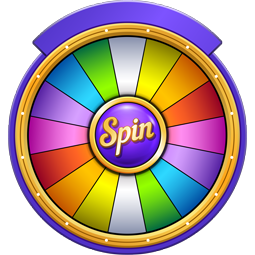
Salad Wheel is a free spinner listing 24 options — Caprese Salad, Greek Salad and Tuna Salad among them. Tap once and the pointer picks one at random.
The salad wheel matters most when a healthy meal should be easy but somehow turns into a stall. You are already leaning toward something fresh, light, and useful, yet the choice keeps slipping because each option sounds almost right.
That friction is the real problem. Not hunger. Not lack of intention. It happens in the exact moment you are standing with a menu open, halfway through a grocery run, or trying to recover from a heavier meal earlier in the day, and the small differences between salads start wasting more energy than the meal deserves.
Choosing a salad when healthy options blur together
A salad does not usually fail because it sounds bad. It fails because Caesar feels safe, Greek feels sharper, Cobb feels heavier, and something with avocado or quinoa starts sounding more practical than exciting. The salad wheel breaks that dead zone by turning a slow comparison into one clean move.
That works especially well when the alternative is a heavier fast food fallback that fits the craving but not the rest of your day. Random selection helps because it stops you from negotiating with yourself long enough to abandon the fresh option entirely.
A random salad picker works best in light meal moments
Light meals usually happen in narrow windows. Lunch is close, the kitchen is half stocked, or you want something that supports fitness without feeling strict. In those moments, the decision gets oddly sticky because every salad feels close in value.
That is where context matters more than preference. A fresh, quick option makes more sense when your goal is clean energy instead of a big reward meal, and a faster lunch decision around bread shows how quickly the mood can shift once you leave the lighter track. The point is not to surrender taste. It is to stop wasting time on tiny differences that do not change the outcome much.
Trying new salads can quietly widen your eating habits
Sticking to one familiar order feels efficient, but it also narrows the routine. A spin can push you toward combinations you would normally ignore, whether that means something with fruit, extra protein, or a grain base that changes the whole texture of the meal.
That kind of variation is useful because healthy eating often fails from repetition before it fails from discipline. Once meals start feeling predictable, even good intentions get weak. A nearby alternative such as a protein first meal direction can take over the decision space fast, which is exactly why a random salad choice can protect the habit before boredom does damage.
Fast meal decisions feel better when freshness stays the priority
Fresh choices are supposed to reduce mental weight, not add to it. Yet the pressure to pick the best mix of flavor, nutrition, and fullness often makes a simple lunch feel more loaded than it should.
That is why the outcome matters more than perfect logic. Once the choice is made, momentum returns. You order, prep, or plate the meal and move on instead of circling through nutrition thoughts, diet rules, and tiny preference shifts that never fully settle. Sometimes the smartest healthy choice is the one that ends the stall cleanly.
Fresh meal decisions also benefit from a stricter reset. When the mind keeps reopening the question, a binary reset for stubborn meal indecision shows why structure can beat analysis when clarity has already started to slip.
There is also a broader benefit here. A single meal tool can solve one moment, but a wider system helps when your routine changes from lunch to snacks to comfort food to something more playful. That is why the full collection of choice wheels can keep the decision process feeling simple even when your appetite, schedule, or mood keeps changing.
Let the wheel pick your next salad instantly
Which lunch salads are on the Salad Wheel?
The wheel includes protein-packed meal choices like Cobb Salad, Tuna Salad, Egg Salad, Chinese Chicken Salad, and Nicoise Salad. If you want a vegetarian lunch, options like Caprese Salad, Greek Salad, or Bean Salad are also on the wheel. You can edit the list in the box next to the wheel, and the wheel redraws instantly as you type.
What kinds of sweet salads are included?
The wheel features dessert and sweet side dishes including Cookie Salad, Gelatin Salad, Ambrosia, Fruit Salad, and Waldorf Salad. You can spin specifically for dessert sides, or delete these items from the list next to the wheel if you only want savory options. The wheel redraws as you type, and changes remain saved in your browser.
Can I upload my own salad recipes from a spreadsheet?
You can import your own salad list directly from a .csv, .xlsx, .xls, .ods, or .txt file. When you upload your spreadsheet, the tool lets you choose the exact sheet and column containing your salad names. The wheel updates immediately with your imported data, and there is no fixed limit on the number of entries you can add.
Does every salad have an equal chance of winning?
Every salad on the wheel has an equal chance of winning on every spin. All slices are the same size, whether it is Caesar Salad, Macaroni, or Watermelon Salad. Winning selections are determined using your browser's cryptographic random generator for completely unbiased results. If you are planning multiple meals, an option removes each winning entry so it cannot be drawn twice.
More Food wheels you might like
More wheels from the same category. Pick one and spin it in seconds.