

 By Alex Bennett
Published
By Alex Bennett
Published
Sandwich Wheel for Ending Lunch Indecision Fast
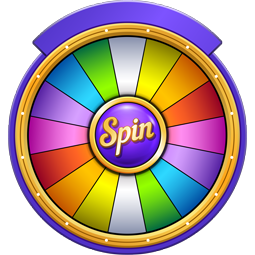
Sandwich Wheel is a free spinner listing 24 options — Sloppy Joe, Cuban Sandwich and Bacon among them. Tap once and the pointer picks one at random.
Sandwich wheel works best when lunch is close, you are already hungry, and every option in front of you feels almost the same. It gives that stalled moment a simple mechanism stop comparing, trigger one outcome, and move.
The problem is rarely the lack of food. It is that a deli menu, a Subway order, and the usual lunch meals all sit in the same narrow lane, so nothing feels distinct enough to lock in. You keep scanning, not because the choices are bad, but because each one feels close enough to delay the call for another minute.
When lunch options start blending into the same safe choice
That is where a random meal tool does something useful. It reduces a crowded lunch moment into one selected direction, which matters more than trying to find a mathematically perfect pick. Once one path is chosen, the mental drag drops and the next action becomes obvious.
A nearby breakfast style fallback can create the same kind of routine trap, which is why a breakfast choice that breaks the same repeat pattern makes sense when the issue is not taste but repetition itself.
In practice, the sandwich wheel works because similar options create tiny decision friction. Club, turkey, veggie, or grilled cheese can all sound acceptable, yet that closeness is exactly what slows the choice.
Busy lunch breaks work better when comparison time gets cut down
Speed matters more than perfection when the clock is already moving. A lunch break does not usually collapse because there are no good options; it collapses because ranking several decent ones keeps stealing time from ordering, eating, and getting back to work.
A lighter meal path can solve a different version of that pressure, especially when a lunch direction that feels cleaner and less heavy fits the hour better than something stacked and dense.
The same logic also explains why a faster comfort food decision for a shared lunch mood can feel easier in group settings where everyone wants something familiar and nobody wants to keep debating.
Mechanically, the tool removes the comparison loop before it expands. That makes the outcome feel lighter, even if the final pick is something you would have accepted from the start.
Random sandwich combinations can make ordinary meals feel less flat
Not every lunch delay comes from pressure. Sometimes the issue is sameness. The same deli counter, the same order habits, the same fallback choice three times a week.
Random selection changes the experience by adding variation without demanding more effort. A chicken sandwich one day, a BLT on another, then something warmer or heavier later in the week can make meal ideas feel fresh again. The tool is not valuable because it is flashy. It is valuable because it interrupts autopilot.
That is also why a sandwich wheel can feel more useful than manually “trying something new.” The random element removes the small internal veto that usually pushes you back to the safest option.
Minimal effort matters when lunch indecision starts wasting energy
The best decision helpers do not ask for more thought. They ask for less. When your attention is already split between meetings, errands, messages, or a short lunch window, a low effort tool works because it respects the limit of the moment.
Minimal effort creates a specific result: you stop hovering over similar menu items and commit faster. That matters whether you are standing in line, opening a delivery app, or trying to settle on quick food before the rest of the afternoon starts pulling at you again.
The sandwich wheel is effective here because it does not pretend to optimize lunch like a system. It simply closes the gap between craving and action with almost no extra work.
Sandwich Selector Tool
A broader binary option can still help when the real issue is not which filling sounds best, but whether you even want a sandwich at all. In that kind of split mood, the core binary tool that cuts through meal hesitation works by reducing the choice to one clean threshold before you return to specifics.
Some days the better fix is not another round of comparison but a wider reset across formats, cravings, and timing. That is where the full collection of decision tools in one place becomes useful, because lunch friction often comes from repeating the same style of decision rather than the same food alone.
Pick your sandwich with one quick spin
What sandwiches are included on this wheel?
The wheel contains 24 classic lunch options, including Lobster Roll, Reuben, Po Boy, Cheesesteak, and Muffuletta. It also covers everyday staples like BLT, Egg salad, and Grilled Cheese. Every slice is the exact same size, and you can add or remove items in the list next to the wheel whenever you want to adjust the menu.
Can I remove sandwiches like Lobster Roll if I don't want them?
You can delete any entry directly from the list beside the wheel, and the slices redraw instantly. If you do not want Lobster Roll, Sloppy Joe, or Hot Brown, simply erase those lines. You can also enable the option to automatically remove winning sandwiches after each spin so the same meal is not picked twice.
How do I change the colours and theme of the sandwich wheel?
You can change the wheel's appearance using the settings options, where both colors and visual themes are adjustable. This allows you to pick specific palettes for your lunch slices. Within those same settings, you can also alter the spin duration, adjust wheel speed, and turn ticking or win sounds on or off.
Does the sandwich wheel work well on a phone for lunch groups?
The wheel works directly in any standard browser on phones and tablets, making it easy to pass around a table. A group deciding between Pulled Pork, French Dip, or a Club Sandwich can take turns spinning without installing an app. The tool is completely free to use and operates without needing an account.
More Food wheels you might like
More wheels from the same category. Pick one and spin it in seconds.







Choose one global cuisine and move dinner forward without hesitation