

 By Lily Parker
Published
By Lily Parker
Published
Should I Buy It Wheel for Checkout Coupon Pressure
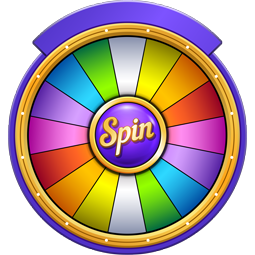
Simple Should I Buy It Wheel is an online places wheel built from 42 equally sized segments, among them Buy Now, Be Frugal and Heart Win. Every spin returns a single result.
Should I Buy It Wheel turns that checkout pause into a fast cart verdict while the coupon timer is still blinking. The item looks useful, the discount feels smart, and your budget notes are sitting open beside the tab.
The problem is not the product alone. It is the five second rush around it. A small markdown can make “want it” feel like “need it,” especially on Amazon or a Shopify store where the checkout button sits right under the deal.
The wheel cuts through that rush with a quick result. It may send you toward a careful outcome like waiting a week, checking your bank, or saving cash. It may also confirm a clean yes, such as a good deal, a treat day, or an essential buy. The point is speed with a boundary.
Impulse Carts Move Fast During Small Discount Windows
A small discount window can make the cart feel more urgent than it really is. One result may land on grab fast, but another could push you toward budget first, and that contrast matters before payment details are saved.
This is where the Should I Buy It Wheel works as a quick purchase validator instead of another tab to research. If the spin points toward skip buy, pass deal, or keep saving, the cart loses some of its heat. The pause becomes useful.
For shoppers who already like binary prompts, a broader yes or no action checkpoint can fit the same quick pressure moment without being tied only to shopping.
Buy Now Pressure Against the Payday Reset
The checkout page can make payday feel closer than it is. A result like pay day or borrow may look tempting at first, but the stronger reading is simple the purchase needs real cash, not wishful math.
The wheel keeps the choice practical. It can point toward wait sale, wait week, or be frugal when the timing is wrong. That removes the need to argue with yourself while the coupon countdown keeps pulling your eyes back.
Some decisions are not about products at all, so a direct answer for calling someone online belongs to a different kind of pressure communication, not checkout timing.
Deal Excitement Can Make Wants Feel Necessary
A dopamine spike from a flash sale can distort value perception fast. A luxury item starts looking essential, an overpriced add on starts looking like a cheap find, and price anchoring does the rest.
The Should I Buy It Wheel brings the excitement back down to a visible result. It might say logic win when the item does not match the budget constraint, or heart win when the cost is small and the value is clear. That difference gives the spin a practical role, not just a playful one.
If the result feels bigger than one cart, wheel formats for everyday choice pressure can keep the same quick structure across food, plans, tasks, and small lifestyle calls.
Spending Boundaries Keep Discounts Practical
A discount does not erase the total. The wheel may point toward return it, sell one, swap it, or shop local, and each outcome forces the purchase to fit into real life instead of floating as a quick reward.
This is also where loss aversion shows up. You may feel like skipping the deal means losing money, but the result can expose the opposite buying the wrong thing wastes more than the coupon saves. Keep the cart honest.
For wider stuck moments beyond shopping, a next step answer when the whole plan stalls can shift the pressure from one item to the next useful move.
Purchase Decision Gateway
The best use of this tool is right before checkout, not after the order confirmation. It acts like a gate between emotional spending and a finished payment. The Should I Buy It Wheel is strongest when you already know the item, the price, and the reason you want it.
A result such as invest should feel different from must have, and must have should feel different from treat self. That separation protects the cart from turning every nice item into a necessary one. For the underlying randomization logic behind this style of tool, a structured random wheel decision method shows how chance can still create a clear stopping point.
The spin is not financial advice. It is a fast interruption before impulse buying becomes automatic. Use it to name the direction, then let your budget decide whether that direction makes sense.
A quick shopping result can also fit a larger pattern meals, tasks, plans, and small daily choices all become easier once the moment has a visible outcome. In that wider sense, a quick result for everyday uncertainty keeps the same reward less delay, less second guessing, and a cleaner next move.
Lock today’s cart choice before checkout
Should I buy an item if the wheel lands on Wait Sale or Think More?
Landing on Wait Sale or Think More means you should step away from the checkout before spending. Use that pause to review options like Check Bank or Budget First by checking your actual account balance. If you still want the item after waiting a couple of days, you can spin again or remove entries using the list next to the wheel.
What should I do if the wheel lands on Skip Buy?
Close the shopping tab and keep your money in your pocket when Skip Buy appears. The wheel contains clear negative outcomes such as Pass Deal, Waste, and Overpriced alongside buying options like Buy Now. All slices are equal in size and selected with a cryptographic random generator, giving each outcome an unbiased chance to settle your shopping choice.
Can I embed this shopping wheel on my personal blog?
You can embed the wheel on your website or blog using code from the /embed page. The tool is free, works without an account, and functions properly on mobile phones and tablets. Your visitors will be able to spin the wheel directly within your post, while custom entries remain stored safely in their own web browsers.
How can I adapt this wheel for grocery shopping or dining out?
Edit the entry list next to the wheel to replace general retail verdicts with grocery decisions or restaurant names. You can switch to Text Mode to paste a whole new list at once, or import options from a spreadsheet file. An optional setting removes each chosen winner so you do not draw the same meal twice.
More Places wheels you might like
More wheels from the same category. Pick one and spin it in seconds.



Break location indecision and move with one clear destination choice
Pick one world region before travel ideas scatter everywhere

Pick one weekend activity before chores scatter your Saturday
Reveal one unexpected country and refresh future travel inspiration
Choose a Holiday Destination and turn scattered trip ideas into direction