

 By Lily Parker
Published
By Lily Parker
Published
Spotify Song Wheel for Faster Listening Flow
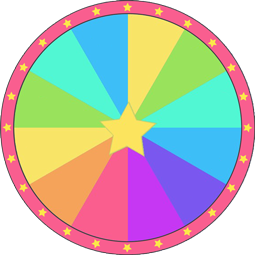
Spotify Song Wheel is an online entertainment wheel built from 22 equally sized segments, among them Top Global, Sleep Rain and Frequency. Every spin returns a single result.
A spotify song choice should not steal more energy than the track gives back. In a crowded remote work afternoon, background music can turn into another unfinished task when everyone quietly waits for the next playlist to make sense.
The problem is not streaming access. The problem is the slow drag between familiar recommendations, half built playlists, and the small pressure to keep the room’s mood steady while people are still working.
A spotify song wheel cuts that drag by turning the next play into a quick rotation instead of another round of manual searching. The result feels simple less browsing, more listening.
Streaming habits shift between focused work and relaxed evenings
Focus music has a different job from evening music. During work, the sound needs to stay useful without pulling attention away. Later, the same playlist can feel flat because it was built for concentration, not release.
That is where a spotify song spin becomes useful. It creates a fast reset without asking anyone to explain their mood, and the same listening shortcut can sit beside a sharper rock driven energy shift when the room needs something stronger than another soft background loop.
The key is speed without chaos. A fast rotation gives the next track direction before the moment loses momentum.
Automated recommendations do not always beat manual playlists
Recommendations feel smart until they become too familiar. The platform learns patterns, then keeps feeding similar sounds back into the day. That can be useful, but it can also make discovery feel smaller than expected.
Manual playlists have the opposite problem. They offer control, but control slows down when a group is tired or distracted. A random track choice creates a cleaner break, especially when the listening mood starts drifting toward a broader entertainment spark for the room instead of another narrow playlist debate.
Less sorting helps. The next sound should arrive before the room starts negotiating again.
Familiar patterns can quietly shape music attachment
A repeated playlist does more than fill silence. It teaches the room what “normal” sounds like. After enough repeats, even good tracks can lose their pull because the emotional pattern becomes too predictable.
A spotify song wheel works best when it interrupts that comfort at the right moment. Not aggressively. Just enough to make the next track feel noticed again.
That matters during low energy listening. A familiar favorite may keep the room calm, but a fresh rotation can restore attention faster, especially when the mood leans toward a softer emotional listening turn without needing a long search.
Fresh playlist rotations keep long sessions from turning stale
Long listening sessions lose value when every track feels like a continuation of the last one. The room may still have sound, but the sound stops doing work. It becomes wallpaper.
A better rotation changes the texture. One unexpected track can lift a quiet call, reset a shared workspace, or give a tired afternoon a cleaner pace. The point is not perfect discovery. The point is movement.
Streaming tools work best when they reduce attention fatigue instead of adding another decision layer. A simple random result can make the next few minutes feel lighter.
Spotify Song Core
Streaming habits are shaped by platform bias, recommendation systems, and attention fatigue. A wheel style shortcut gives those forces less control by adding a deliberate moment of randomness. For broader random choice behavior beyond music, a general random wheel for instant direction shows how quick selection can reduce friction across many everyday situations.
The same logic expands beyond one playlist. A listening flow improves when the next move feels available, not buried. Inside a wider decision flow for quick rotations, music becomes one more place where small choices can stop slowing the day down.
A better listening flow starts with one fresh rotation
What playlist styles are included on the Spotify wheel?
The wheel contains popular Spotify playlist hubs covering multiple genres and moods. You will find global trends like Top Global and Viral 50, genre anchors like RapCaviar, Viva Latino, and Mint, plus discovery feeds like Fresh Finds. Spin the wheel to decide which style to stream next whenever you want to mix up your daily music routine.
Which entries are best for relaxing or focusing?
Entries like Coffee Shop, Chill Mix, and Sleep Rain work best for quiet focus, reading, or resting. Other mellow selections include Pollen and Bloom for softer alternative sounds. If you prefer upbeat rhythms for work instead, you can spin specifically for Daily Drive or Mood Booster to keep your energy steady throughout the day.
How do I make the Spotify wheel spin faster or slower?
You can change the spin duration and rotation speed directly in the wheel settings. Open the settings panel to shorten the timer for immediate song selections, or extend it to build suspense during listening sessions. You can also turn ticking sounds on or off and pick custom color themes without needing to register an account.
Can I adapt this wheel to pick specific albums instead?
Yes, you can replace the default playlist names with specific album titles by editing the text list beside the wheel. Use Text Mode to paste your own album list all at once, or import an Excel or CSV file. Enable the setting to remove winning entries after each spin so you do not repeat albums.
More Entertainment wheels you might like
More wheels from the same category. Pick one and spin it in seconds.