

 By Maya Brooks
Published
By Maya Brooks
Published
Bodyweight Challenge When Yesterday’s Rep Count Sets the Target
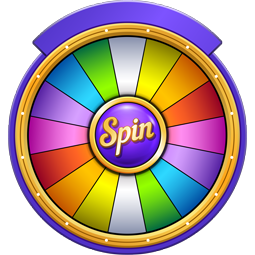
Weight Challenge Wheel is an online sports wheel built from 48 equally sized segments, among them Std Pushups, Side Plank R and Cmd Plank. Every spin returns a single result.
Bodyweight Challenge works best when you are on the floor beside a timer, trying to beat yesterday without needing a gym or equipment.
You start with one movement, then the round begins to feel like a small game against your own record. A pushup, air squat, reverse lunge, or plank hold becomes more than exercise because the score gives your effort a clear target.
The hard part is not always strength. It is the moment fatigue arrives early, your form starts to wobble, and yesterday’s number suddenly looks bigger than it felt. That is where the challenge format helps you stay focused without turning the workout into a long routine.
Tracking Streaks And Reps To Beat Past Records
A good challenge gives you something simple to measure. Reps, seconds, rounds, or streak days can show progress even when the session feels small.
If your core work needs a clearer target, a focused core challenge under fatigue can keep plank holds, dead bugs, and bicycle crunches from becoming random effort. You get a defined task, then you compare the result to your last attempt.
Personal Fitness Challenges Versus Casual Exercise Routines
Casual exercise can feel fine, but it often fades when energy drops. A personal challenge feels different because you are not just moving; you are testing whether you can finish the next round with control.
On days when your heart rate needs the main spotlight, a cardio round built around quick effort can shift the session toward jump jacks, high knees, skaters, or mountain climbers. The point is not perfection. It is a visible finish.
Proving Consistency Through Repeated Effort
Bodyweight Challenge becomes rewarding when the same person who nearly quit yesterday gets one more clean rep today. That small proof matters.
The wheel format also keeps the routine from feeling stale. If you usually repeat the same moves, a no equipment workout direction at home can bring in glute bridges, wall sits, side lunges, or bear crawls without making you plan a full program.
Building Confidence Alongside Physical Endurance
Confidence grows when you complete a round after your body starts asking for shortcuts. You notice the difference between rushing and staying controlled.
Keep the session honest. A Bodyweight Challenge should support better form, not push you into sloppy speed. If a tuck jump feels too intense, a lower impact move still keeps the habit alive while protecting the round.
Bodyweight Progress System
The strongest progress system is simple enough to repeat. It lets you rotate movements, track effort, and use progressive overload without making the beginner athlete feel buried under rules.
For a broader naming style format that can organize participants, teams, or round labels, a structured wheel for assigning names fairly can support the challenge setup without changing the workout itself.
A challenge also fits into the wider moment of choosing what to do next. Some days you need strength, some days endurance, and some days a fast structure that keeps your momentum from slipping; a broader random choice format for active decisions makes that shift feel easier.
Challenge yourself with one workout round today
Which bodyweight exercises are on the weight challenge wheel?
The wheel includes 30 bodyweight movements covering upper body, lower body, and core. You will find strength moves like Std Pushups, Diamond Pushup, and Air Squats alongside cardio drills like Burpees, Mt Climbers, and Jump Jacks. Isometric holds such as Wall Sit and Plank Hold round out the routine. You can edit the list directly to remove moves that do not match your current fitness level.
Can I avoid doing the same exercise twice in one workout?
You can enable the option to remove each winner from the wheel after it is selected. When you spin and land on an exercise like Burpees or Glute Bridge, that slice is taken off the wheel so it cannot be drawn again in the same session. This ensures you move through varied exercises, like Bear Crawls or Pike Pushups, without repeating the same movement pattern back to back.
How do I import my own workout routine from a CSV or Excel file?
You can import your exercise list directly by uploading an .xlsx, .xls, .ods, .csv, or .txt file. After selecting your file, choose the specific sheet and column containing your exercises. The wheel will populate automatically, replacing or updating the entries next to the wheel. There is no fixed limit on the number of items you can import, though label text scales down to fit larger workout programs.
What variation works best for a low-impact desk workout?
A gentle mobility variation works best if you need to exercise during work breaks without sweating. Edit the list next to the wheel to replace high-impact movements like Burpees and Tuck Jumps with seated stretches, neck rolls, Calf Raises, and Wall Sit holds. The wheel redraws instantly as you type, letting you build a quiet midday routine tailored to small office spaces.
More Sports wheels you might like
More wheels from the same category. Pick one and spin it in seconds.

Random soccer club picker featuring the biggest football teams worldwide