

 By Maya Brooks
Published
By Maya Brooks
Published
Icebreaker Game That Turns Awkward Silence Into Real Conversation
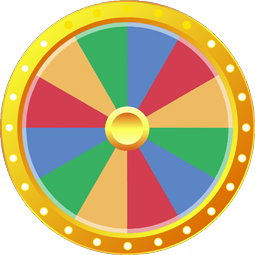
Ice Game Wheel is an online games wheel built from 24 equally sized segments, among them Fun Fact, Music Taste and Art Style. Every spin returns a single result.
A living room, chairs slightly turned toward each other, and a quiet pause stretching longer than expected. An icebreaker game enters right at that moment, not as entertainment, but as a way to restart the room.
Someone looks down at their phone. Another person smiles politely but says nothing. The group is there, but not connected yet.
That small gap is where interaction either starts… or disappears.
An icebreaker game doesn’t force people to speak. It gives them a shared starting point where speaking feels natural instead of required.
How people gradually open up through shared prompts in small groups
The first responses are usually short. A simple answer, maybe even hesitant. But once one person speaks, the next feels easier.
This shift becomes clearer in setups like group based prompt flows that distribute speaking turns naturally, where no one needs to volunteer first.
Each round builds on the previous one. What starts as a single answer slowly becomes a conversation.
Why playful storytelling feels easier than forced introductions
Formal introductions create pressure. Names, roles, expectations everything feels structured and slightly tense.
That tension disappears when interaction feels like a shared activity. In situations shaped by question driven moments that guide relaxed personal sharing, people respond without overthinking how they sound.
The difference is subtle. One feels like performance. The other feels like participation.
What happens when everyone joins the same activity at once
Energy shifts when no one is left watching. When everyone reacts to the same prompt, the group moves together instead of waiting on one person.
This synchronized participation creates momentum. Laughter starts quicker. Reactions overlap. The room changes.
That dynamic mirrors group situations similar to shared game selection moments that align group attention instantly, where everyone engages at the same time.
The result is not louder conversation. It’s smoother interaction.
How simple prompts turn into real bonding moments
A question about a favorite place can lead to a story. A small detail becomes a shared memory. The conversation expands without effort.
People don’t just answer. They build on each other’s responses. That’s where connection starts to feel real.
In setups influenced by neutral randomization that removes social bias in turn taking, everyone gets equal space to contribute.
That balance matters more than it seems.
Social Warmup Core
Social hesitation rarely disappears on its own. It needs a trigger that feels safe and shared.
Patterns observed in places like Reddit often point to the same mechanism once participation becomes evenly distributed, anxiety drops and engagement rises.
An icebreaker game doesn’t solve social discomfort directly. It changes the structure around it.
And structure, more than confidence, is what allows people to relax.
Moments like these connect to wider group interaction patterns where shared decisions create natural engagement beyond just introductions.
Start a group moment that breaks silence instantly
What conversation topics are on the ice game wheel?
This wheel features 24 quick conversational prompts such as Fun Fact, Pet Story, Travel Goal, and Coffee or Tea. When you spin, the browser selects an entry at random using equal slice sizes. You can add your own questions or remove existing ones in the side list, and the wheel updates immediately as you type.
Can players skip topics they already answered on this wheel?
You can enable the option to remove each winning entry after it is selected. This ensures prompts like Dream Job, First Job, or Hobby Talk do not repeat during your gathering. Slices remain equally proportioned throughout the game, and the cryptographic random picker selects the next topic fairly for every participant.
How do I embed the ice game wheel on my own website?
You can embed the ice game wheel directly from the /embed page on the site. Copy the embed code provided there and paste it into your blog or website editor. The embedded wheel keeps full functionality, allowing your visitors to spin, toggle sound settings, and play smoothly across desktop computers, tablets, and phones.
Which icebreaker topics work better for a work meeting wheel?
Professional prompts like First Job, Tech Gear, and Skill Share fit workplace meetings better than personal questions. You can customize the wheel by pasting a new list into Text Mode or importing a spreadsheet file. The wheel redraws as you edit, letting you replace casual entries with project reflections or team-building questions.
More Games wheels you might like
More wheels from the same category. Pick one and spin it in seconds.


Break repetitive Sims 4 story loops with unexpected narrative direction



Spin random challenge wheel and trigger quick playful home movement