

 By Noah Reed
Published
By Noah Reed
Published
Quiz Topics Picker That Starts the First Round Faster
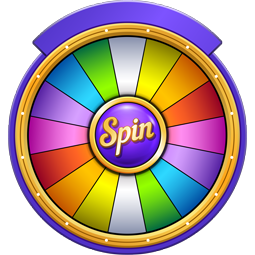
Quiz Topics Picker Wheel is a free spinner listing 19 options — History, Space and Health among them. Tap once and the pointer picks one at random.
Scorecards are already on the table. A few players want history questions, someone argues for science, and another person insists on sports. Quiz Topics Picker helps a group move from category debates to the first question while the energy is still high.
The best quiz sessions usually begin with a clear direction. Instead of spending several minutes negotiating categories, a random topic selection creates a shared starting point. The conversation shifts. The game begins.
One common challenge appears before any points are awarded. Different players arrive with different interests. One person feels confident discussing geography, another prefers music, and someone else hopes for technology questions. The longer the discussion continues, the more the excitement fades. A category choice creates momentum. The group can focus on answering rather than negotiating.
Starting a Quiz Session After Category Discussions Build Up
Trivia groups often spend more time debating categories than answering questions. A quick topic selection prevents the opening minutes from turning into a long conversation about preferences.
Groups that enjoy location based challenges sometimes move toward quiz settings that match different event spaces. The same principle applies here. A category chosen at random creates a neutral starting point that everyone can accept.
That small shift matters. The first question arrives sooner, and the room feels more engaged.
Balancing Competitive Rounds and Casual Knowledge Sharing
Not every quiz night has the same goal. Some groups want a serious competition, while others simply enjoy learning something new together.
A category focused on literature may create thoughtful discussion. A round about space can trigger curiosity. Topics involving economics or ethics often generate conversation beyond the score itself. For groups looking for broader inspiration, knowledge categories that expand beyond standard trivia themes can introduce fresh directions.
The result is a better balance between challenge and enjoyment.
The Shared Excitement Before the First Question Appears
The strongest part of many trivia sessions happens just before the game begins. Everyone waits to see what kind of challenge will appear first. That anticipation creates a natural sense of participation.
A random category might lead toward biology, chemistry, or physics. Another selection could point toward art or food knowledge. Groups that prefer simpler rounds sometimes benefit from lighter categories that reduce early pressure and help new players settle into the game.
The important part is movement. The session gains direction without anyone feeling excluded from the choice.
Giving Every Player a Clear Starting Point
Clear structure helps trivia nights run smoothly. Once a topic is selected, players stop focusing on category preferences and begin focusing on answers.
A science enthusiast and a history fan may not choose the same subject manually, but a neutral selection process removes personal bias from the opening decision. The game feels fairer because everyone starts from the same point.
That shared starting point often creates a more enjoyable experience than lengthy discussions about what should come next.
Topic Shuffle Gateway
Large trivia communities frequently organize categories around balanced question pools and fair participation standards. Resources such as randomized selection methods for structured game rounds demonstrate how neutral choices can help maintain fairness across different styles of play.
A useful side effect appears after several quiz nights. Players become more willing to try unfamiliar subjects. A group that normally chooses sports may discover an interest in literature. Another group might unexpectedly enjoy a round focused on health or logic.
That wider variety connects naturally with random experiences that create new group traditions. Small changes in starting categories often lead to memorable moments and new favorites over time.
Give tonight's quiz group a fresh category
Which trivia subjects are included on this quiz topics wheel?
This wheel includes 19 broad quiz categories spanning academic disciplines and general knowledge. Real entries include History, Geo, Sports, Music, Literature, Food, and Space. You can also edit the list in the panel next to the wheel to delete subjects your group does not want to play or type in custom trivia themes.
Can I separate broad quiz categories like Science into specific fields?
Yes, you can replace broad categories with specialized subjects directly in the entry list. The default wheel already separates Science into Biology, Chemistry, and Physics alongside Math and Tech. You can switch to Text Mode to paste your own custom subcategory list all at once, with one topic per line.
How many quiz topics can I add to the wheel?
There is no fixed limit on the number of quiz entries you can add to the wheel. You can keep the original 19 topics or import hundreds more from a spreadsheet file such as CSV or XLSX. As you add more categories, the wheel automatically redraws and slice labels shrink to fit the wheel.
What should I do if the wheel lands on a quiz topic I dislike?
You can simply spin the wheel again, or remove the unwanted topic from the list beside the wheel so it cannot be selected. If you only want to play each topic once per game night, enable the option that automatically removes each winning category from the wheel after it is drawn.
More Education wheels you might like
More wheels from the same category. Pick one and spin it in seconds.

Randomly select a student while keeping classroom participation balanced


Choose a classroom volunteer without turning participation into pressure