

 By Noah Reed
Published
By Noah Reed
Published
Random Color Generator Wheel – Spin a Color
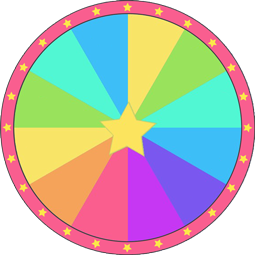
Random Color Generator Wheel is a free random picker that holds 24 options such as Ruby, Ivory and Lavender. One spin lands on exactly one of them — no signup and no download.
A design session pauses at the moment a random color generator could shift everything. You are staring at a blank canvas, testing shades that feel too familiar. The next step is not about choosing better it is about breaking the pattern.
The random color generator becomes a trigger for unexpected direction. It interrupts routine thinking and introduces combinations you would not normally consider. That disruption is where fresh visual ideas begin to form.
Inside the broader space of random visual selection tools for color inspiration, this approach reframes how palettes emerge less controlled, more exploratory.
The moment stretches when each color you try feels like a repeat of the last project. The screen fills with safe tones, but none of them push the design forward. That hesitation is not confusion it is creative inertia tied to familiar choices.
How Does the Random Color Palette Generator Wheel Work?
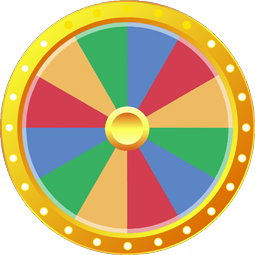
Colours load onto the wheel as equal segments, so one tap surfaces a shade you would not have reached for. Spin several times to build a palette. No signup, and the entries can be replaced with your own brand colours.
Unexpected Palette Combinations During Design Sessions
In the middle of a layout build, introducing an unfamiliar shade like muted coral next to deep indigo forces a reaction. The contrast disrupts predictability and creates tension that can be refined into balance.
That shift often aligns with generating precise hex based color variations for controlled experimentation, where randomness still connects to usable outputs. The result is not chaos it is a structured surprise.
Let the contrast sit for a second. The eye adjusts quickly.
Predefined Palettes vs Spontaneous Colour Generation
Predefined palettes offer safety. They are tested, balanced, and reliable. But they also limit discovery because they are built from known patterns.
When compared to situations where unexpected combinations spark new idea directions, the difference becomes clear. Random selection introduces combinations that feel slightly off at first, but often lead to more original compositions.
That slight discomfort is useful. It signals something new is happening.
Creative Sparks Triggered by Unfamiliar Colour Pairings
A sudden appearance of mint against bronze or violet beside beige creates a moment of curiosity. You start asking why it works or why it almost works. That question drives refinement.
Stay with the unusual pairing a little longer. It often reveals hidden balance.
New Visual Directions After Accepting Randomness
Accepting a generated palette removes the need to justify every choice. It allows movement. Instead of debating between similar tones, you adapt to what appears and build from it.
Over time, this builds a workflow where randomness becomes a creative partner rather than a disruption. The random color generator is no longer a fallback it becomes part of the process itself.
That shift matters. It turns hesitation into momentum.
Is the Random Color Palette Generator Wheel Really Random?
Yes. Every entry gets a slice of the same size and the stopping point is generated randomly on each spin, so nothing is weighted and no result is favoured. The wheel keeps no memory of earlier spins.
That is why repeats happen. Landing on the same option twice in a row is normal for a fair draw, not a sign the wheel is rigged.
More Colour and Design Wheels
Try the random colour wheel, the basic colour wheel or the pastel colour wheel. The random wheel category collects every generator.
Color palette core
This wheel works by balancing color rules, pleasing visuals, and relief from getting tired of choosing. When the brain tires from repeated decisions, randomness introduces relief by removing comparison loops.
Research from probability driven selection logic in computational randomness systems shows that unexpected outcomes increase engagement because they break prediction patterns. In design, this translates into renewed focus and experimentation.
The result is not just a palette it is a different way of thinking visually.
That broader shift connects to a wider decision making context where randomness drives creative clarity. When selection becomes lighter, creativity moves faster.
Explore a new palette direction for your next project
How do I build a color palette with the color wheel?
Spin the wheel multiple times to pick complementary or contrasting shades. For instance, you might land on Teal first, spin again for Coral, and finish with Gold as an accent. Turn on the option to remove winning entries after each spin so you do not draw the same color twice while building your palette.
Can I add hex codes instead of color names like Indigo and Ruby?
You can replace the default color names with hex codes, RGB values, or specific paint names. Edit the list next to the wheel, and the slices redraw immediately as you type. You can also switch to Text Mode to paste a whole list of custom codes at once, with one entry per line.
Where do I change the wheel spin duration?
Spin length and speed are adjustable directly in the settings menu. You can shorten the spin duration for quick color draws or extend it to build suspense during a design session. These adjustments work alongside audio controls, allowing you to turn ticking, win, and lose sounds on or off as needed.
What is a good variation of this wheel for room painting?
A practical variation is adapting the wheel for interior decor by replacing broad hues like Slate, Beige, and Ivory with specific room finishes or wall paint swatches. You can import an existing spreadsheet from a .csv or .xlsx file, selecting the exact column containing your brand paint names to test different room color combinations.
More Random wheels you might like
More wheels from the same category. Pick one and spin it in seconds.




Generate one random letter instantly for faster word game rounds