
 By Noah Reed
Published
By Noah Reed
Published
Story Idea Wheel for Finding Your Next Short Story Idea
Story Ideas Inspiration Wheel is a free online wheel spinner with 11 options, including Plot Twist, Deep Secret and Big Lie. Click or tap the wheel and it stops on one random result.
Story Idea Wheel starts to matter when a writer has scattered notes, half shaped characters, and one scene that still refuses to connect. A twist, a hidden past, or a quiet secret can look useful on the page, but the draft needs one sharper push before it feels alive.
The blank space is not always empty. It is often crowded. One note suggests a rival rising, another points toward a hero falling, and a third hints at a lie that could change everything.
Narrative Sparks Drawn From Different Creative Sources
A strong idea rarely arrives as a complete plot. It usually arrives as pressure. Story Idea Wheel can turn that pressure into a focused starting point, especially when a stalled prompt moment needs movement before the writer abandons the draft.
That small result creates a lane. The page stops being a pile of loose inspiration and starts behaving like a scene with direction.
Character Concepts Compared With Twist Driven Plot Foundations
A character idea and a twist idea do different work. A new power changes what someone can do. A deep secret changes what the reader believes. A fake death changes the structure around everyone else.
For writers who want argument, contrast, or classroom style tension, a playful debate angle for sharper contrast can help separate story conflict from random noise.
Premises That Hint At Hidden Possibilities
Curiosity works best when the idea does not explain itself too quickly. A hidden past gives the writer something to reveal later. Enemy help creates doubt. A last goodbye can feel final, then become the opening move of a larger plot.
Story Idea Wheel is useful here because the result does not need to be perfect. It only needs to disturb the draft in the right direction. For broader creative practice, a creative writing picker for fresh prompts can support the same habit from a different angle.
One Strong Idea Opening Several Story Directions
One premise can split into several paths. A big lie might become a mystery, a family conflict, or the reason a hero refuses to trust anyone. A rival rise could turn into competition, betrayal, or unexpected respect.
This is where Story Idea Wheel feels less like a shortcut and more like a spark engine. The result gives the draft a first signal, then the writer decides how far the signal travels.
Idea Generation Core
Good story generation is not only about originality. It is about choosing the kind of pressure a draft needs. Plot development becomes easier when the writer can test one clear trigger against character motivation, narrative structure, and the reader’s expectation of surprise.
A tool built around names can also support this stage when character identity is still unclear, because name selection that shapes character direction often changes how a scene sounds before the plot is finished.
A writer may start with Pinterest style visual sparks, Reddit style discussion fragments, or old notebook ideas, but the useful moment is the same. The scattered material needs one chosen pressure point.
That is why a broader random system can help without taking control of the draft. In a wider creative workflow, random direction when ideas stay unresolved gives the writer a way to move from collecting inspiration into testing it on the page.
Open a fresh narrative direction for your next draft
Which writing prompt is best to break writer's block?
Any prompt works well if you take the first result and immediately write a scene around it. Slices like Hero Fall, Plot Twist, or Deep Secret force an immediate shift in character dynamic. If you want to eliminate options you have already explored, turn on the option to remove each winner from the wheel so it cannot be drawn twice.
Can I combine multiple plot ideas like Fake Death and Rival Rise?
You can spin multiple times to blend distinct story prompts into a single narrative arc. For instance, pairing Rival Rise with Fake Death or Enemy Help creates layered conflict. If you prefer your own premise combinations, you can edit the entries list next to the wheel or paste your own brainstormed concepts directly into Text Mode.
How do I change how long the story wheel spins?
You can adjust the spin length and rotation speed in the wheel settings menu. If you need a fast prompt while drafting, shorten the duration for quick results. You can also make it spin longer to build suspense before revealing prompts like Big Lie or Last Goodbye. Sounds can also be switched off there.
Does each story idea have an equal chance of winning?
Every entry on this wheel has the exact same mathematical probability of being selected. All slices are rendered at identical sizes, and the winning slice is chosen using your browser's built-in cryptographic random number generator. Neither prompts like New Power nor Hidden Past receive any bias or weighting during a spin.
More Education wheels you might like
More wheels from the same category. Pick one and spin it in seconds.

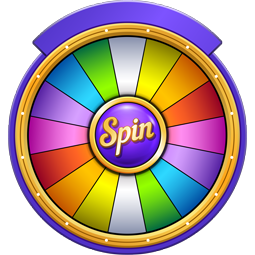
Randomly select a student while keeping classroom participation balanced



Choose a classroom volunteer without turning participation into pressure