

 By Noah Reed
Published
By Noah Reed
Published
Quick Story Prompt Wheel for a Ten Minute Reset
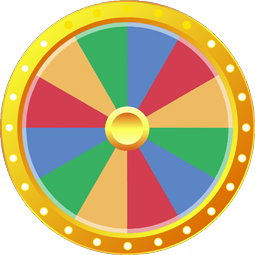
Story Prompts Boredom Wheel is an online education wheel built from 12 equally sized segments, among them Rainy Window, Library Table and Quiet Cafe. Every spin returns a single result.
The phone timer reads 09:43, but the notebook at the cafe table still holds one crossed out line. A Quick Story Prompt Wheel fixes the session's scope before early editing consumes the remaining minutes.
The goal is not to discover an original plot. It is to finish one rough paragraph from an ordinary place while the clock is running.
At 08:10, changing an adjective feels productive. It is not. The writer is polishing a sentence that has not yet created a person, an action, or a change, and the short practice break is disappearing.
This drill removes that trap. The wheel supplies an everyday micro scene, the timer limits planning, and a no edit rule protects the paragraph until it exists.
Let the Timer Cut the Planning Short
The timer should be set to ten minutes before the result appears. The first minute is for reading the setting and naming one person who is already there; no backstory, premise search, or alternate prompt belongs in that minute.
A Rainy Window result may place a commuter indoors, watching one detail outside that changes what they planned to do. The same time boundary behind timed debate warm up prompts stops preparation from swallowing the exercise.
By minute two, the draft should have a location and a body in motion. That is enough structure. More planning only spends time the paragraph needs.
Shrink the Result to Three Visible Elements
A setting is usable when it can be reduced to one person, one object, and one visible action. Bus Stop might become a student folding a wet timetable; Coffee Queue might become a cashier sliding back a note that does not belong to the customer.
The action matters more than a clever premise. A speculative opening scene test can handle genre rules and invented worlds later, while this drill stays inside an ordinary place that can be pictured immediately.
A second location only expands the frame, and the character's history can wait. The smaller scene puts friction in the right place inside the moment, not before writing.
Finish Four Sentences Before Judging the Draft
The paragraph has four jobs. Sentence one places the person; sentence two introduces a visible action; sentence three changes the situation; sentence four records the response.
With Park Bench, the change could be an abandoned receipt blowing against a shoe. Writers who need a larger premise after the drill can move to a broader story direction exercise, but expansion comes after the timed paragraph, not during it.
Late Train can stay equally small a platform announcement changes, one passenger closes a book, and another person notices. A specialized wheel collection may vary later sessions, yet each run should still produce only four connected sentences.
Keep the Editing Ban Until Time Expires
Backspace turns a ten minute reset into a sentence polishing contest. Awkward wording can stay in place while the next sentence goes underneath it.
If Grocery Aisle produces a weak opening, the drill is not lost. The second sentence can introduce the cart, the third can change what is available, and the fourth can show the shopper's response. Forward motion gives the paragraph something editing can improve later.
Zero ends the run even when the final sentence feels unfinished. The fixed ending prevents the exercise from expanding into another stalled session.
Use a Ten Minute Reset Card
Record the start time, wheel setting, one person, one visible action, and the four sentence draft. Mark any backspace or rewritten sentence with a small slash instead of correcting it during the run.
A random wheel for writing prompts can supply the setting, but the card controls the result. At zero, label the run Complete, Interrupted, or Overedited, then circle one line worth keeping. The label shows which habit blocked the session; the circled line gives the next practice a concrete asset.
Repeated drills turn ten spare minutes into measurable practice rather than a search for inspiration. A Quick Story Prompt Wheel keeps the setting variable while the paragraph structure stays stable.
Across a week, spin the wheel for story prompts can support a simple routine one timed setting, four rough sentences, one saved line. The archive shows the practice happened.
Run one ten minute scene drill and circle the line worth keeping.
How do I write a story with the everyday cues on this wheel?
Spin to land on an everyday setting like Rainy Window or Bus Stop, then immediately write four quick sentences set in that spot. Focus on physical sensory details, such as the sound of wipers or the cold on a plastic bench, without stopping to edit. Once you finish the four sentences, you can keep drafting or spin again for another scene.
Which scenes on the wheel are easiest for quick exercises?
High-activity locations like Grocery Aisle, Coffee Queue, or Laundromat offer immediate conflict and sensory input for quick writing. You can introduce two strangers interacting, someone overhearing a private conversation, or an unusual item dropped on the floor. If you want to cycle through all twelve prompts in one session, turn on the option to remove each winner so locations do not repeat.
Can I add my own writing prompts or change the list?
You can edit entries directly in the list next to the wheel, and the slices redraw instantly as you type. Switch to Text Mode if you want to paste a full list of prompts at once, one per line, or import a text, CSV, or spreadsheet file. There is no fixed limit on entries, and your custom list stays saved in your browser.
What is a good variation of this prompt wheel for classrooms?
A genre or character-based variation works well for writing classes and student warm-ups. Instead of mundane settings like Library Table or School Gate, you can replace the entries with character traits, dialogue fragments, or unexpected objects. Teachers can embed the customized wheel directly onto a classroom webpage from the embed page, and adjust the spin speed and sound effects to suit the room.
More Education wheels you might like
More wheels from the same category. Pick one and spin it in seconds.

Randomly select a student while keeping classroom participation balanced