
 By Noah Reed
Published
By Noah Reed
Published
Your Pro Writing Wheel for Deeper Character Prompts
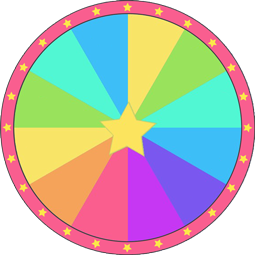
Writing Pro Selection Wheel is a free spinner listing 12 options — Moral Clash, Truth Pain and Hero End among them. Tap once and the pointer picks one at random.
You already know the easy prompt will not fix the scene. The Pro Writing Wheel gives you a sharper way back into the draft when safe ideas have stopped revealing anything new about the character.
You are sitting with workshop notes, a cold coffee mug, and a scene that technically works but does not move. The wheel adds pressure in the useful sense it brings up a prompt you would not always choose, then asks whether your character can carry it.
That is the difference between an advanced prompt and a loud one. A loud idea looks intense on the page. A useful one exposes motive, contradiction, fear, or loyalty without burying the reader under complexity.
You do not need a darker story for its own sake. You need a prompt that makes the character harder to simplify.
Draw a Prompt That Tests the Character, Not Just the Plot
Moral Clash works when your character has two believable reasons and neither one feels clean. Dual POV works when the scene needs pressure from both sides instead of one tidy emotional angle.
The Pro Writing Wheel helps because it interrupts your first instinct. You may reach for the easiest conflict, but the result pushes you toward a stranger question what does this character protect when the usual answer no longer works?
If you want a lighter draft warmup before moving into advanced material, a random writing prompt starter can open the session without demanding the same depth right away.
Let the prompt unsettle the draft a little. That is where the better scene begins.
Balance Dark Choices with Stakes Readers Can Still Follow
Dark Choice can give a scene weight, but you still have to keep the reader oriented. If the choice becomes vague, symbolic, or overloaded, the emotion thins out instead of deepening.
You need readable stakes: what the character wants, what they might lose and why the decision cannot be delayed. The stronger version is not always the most dramatic one. It is the one a reader can track from sentence to sentence.
For writers looking for less expected angles, a hidden writing prompt angle can help you move away from familiar setups while keeping the scene readable.
A Pro Writing Wheel should stretch your idea without turning the scene into a puzzle no one asked to solve.
Shape Split Minds and Gray Heroes into Internal Conflict
Split Mind is useful when the character is not simply unsure, but divided in a way that changes how they act. Gray Hero works when the character can do something questionable for a reason the reader still understands.
Do not explain the whole conflict at once. Show the pressure through one action, one withheld line, or one choice that feels slightly wrong but emotionally true.
If you are comparing prompt structure with other serious discussion formats, a professional debate topic tool can show how a strong central conflict can be framed clearly before it becomes too broad.
The character should not become a theme wearing a name tag. Keep them specific, flawed, and active inside the scene.
Turn the Selected Prompt into a Layered Scene Outline
Once the wheel lands, build the outline in layers. Start with the surface action, then add the private motive, then add the consequence the character is trying not to face.
Mind Game can become a quiet scene if the tension lives in what the character notices, avoids, or misreads. The point is not trickery. The point is controlled narrative complexity that keeps reader engagement alive.
Use one prompt as the spine, not a pile of prompts as decoration. Your scene will feel deeper when every beat answers the same central pressure.
Keep the outline lean. Depth works better when the reader can still feel the path through it.
Use the prompt as an advanced story engine
A strong advanced prompt engine gives you curiosity without letting the draft collapse under its own ambition. The wheel selects the pressure point, and you decide how much psychological depth the scene can hold before readability starts to crack.
When you want broader randomized support for writing sessions, a random selection spinner can help choose a direction while the advanced prompt still gets shaped by your draft’s real needs.
The Pro Writing Wheel works best when you treat the result as a question, not a command. What does this prompt reveal that your safer idea avoided? What does the character do when the scene stops protecting them?
For more prompt sessions built around creative choice and story depth, an online writing prompt spinner can help you start the next draft without waiting for the perfect idea to appear first.
Open a darker prompt for tonight’s scene
How do I use this wheel to outline a story scene?
You spin to pick a central dramatic conflict or perspective for your next scene. Landing on Moral Clash or Dual POV gives you a clear thematic constraint without cluttering your narrative plan. You can spin multiple times to layer concepts, such as combining Gray Hero with Mind Game, to create tension while keeping the outline structured and focused.
Can I combine entries like Dark Choice and Ego Death?
Combining results is an effective way to build layered beats within a single scene. For instance, pairing Dark Choice with Ego Death forces a character to make a costly sacrifice that shatters their self-image. You can write down each spun prompt in your notes, or edit the entry list directly beside the wheel to track your planned scene progression.
Where do I change the colours and theme of the wheel?
You adjust the visual appearance using the wheel's settings menu. The tool lets you switch between preset themes or select specific slice colours to match your writing mood or scene tone. You can also customize the spin length, adjust the wheel speed, and turn off the ticking or win sounds if you prefer working quietly.
What should I do if I get a scene prompt I dislike?
Simply spin the wheel again, or remove the unwanted prompt from the list. Entries are editable in the list right next to the wheel, and the canvas updates instantly as you type. If you want to cycle through options without repeating concepts like Deep Void or Lost Soul, turn on the option to automatically remove winners after each draw.
More Education wheels you might like
More wheels from the same category. Pick one and spin it in seconds.

Randomly select a student while keeping classroom participation balanced


Find a classroom ready debate topic before preparation slows down