
 By Noah Reed
Published
By Noah Reed
Published
Where Random Quiz Wheel Fits in a Daily Challenge Rotation
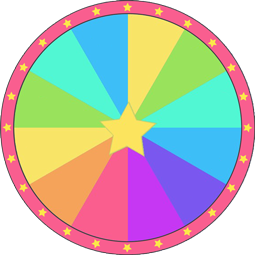
Random Quizzes Selection Wheel is a free online wheel spinner with 18 options, including Quiz A, Quiz J and Quiz R. Click or tap the wheel and it stops on one random result.
At the living room table after a quiz round, one laptop stays open while the group writes today’s letter into a small rotation log. The Random Quiz Wheel now has a different job from choosing a topic: it assigns a challenge code that can be tracked, cooled down and brought back only after the rotation earns a reset.
The first question is not “Which category should we play?” It is “Has this code appeared recently?” That shift keeps the game moving without turning every round into another debate about themes. Quiz A can represent today’s challenge, while yesterday’s result stays marked as used.
A visible code history changes the group reaction. Players can enjoy the spin, but the result becomes one entry in a streak showing what has been played, what is resting, and what remains available.
Treat Quiz Letters as Rotating Daily Challenge Codes
Think of the letters as positions in a challenge rotation rather than hidden categories. Quiz C can be today’s code, Quiz F can remain unused, and Quiz H can stay on cooldown after a recent round. The code identifies the challenge slot; your existing quiz setup supplies the questions behind it.
This makes the wheel useful even when everyone already knows the available material. If the group wants a deliberately tougher branch of play, a hard quiz challenge rotation can handle that separate difficulty decision. Keep the daily code log focused on rotation history, not on redefining the topic.
Log One Completed Code with the Date and Result
A useful log needs little information. Write the date, the code, and whether the challenge was completed. If Quiz J appears on Friday, that line is enough to show that the code has entered cooldown. A group can add a score or winner if it makes the streak more enjoyable, but the rotation does not depend on it.
Solo players can use the same system. A short Kahoot style practice run, a self made trivia set, or a stored question pack can all sit behind a code. The value comes from remembering which code was actually used, not from inventing a new category label every time.
Cool Down Used Codes Until the Active Rotation Is Exhausted
The no repeat rule makes the mechanism distinct. After Quiz L is completed, remove it from the active pool or mark it unavailable. If Quiz N is still unused, it remains eligible. The Random Quiz Wheel should pull from the active set rather than letting yesterday’s challenge drift back in by chance.
For groups that want to map several days in advance, daily quiz schedule planning can sit beside the log without replacing it. Planning answers when a round might happen; the code ledger answers whether a particular challenge is still eligible.
The same no repeat logic can support learning routines outside trivia. A random study rotation system can use cooldowns for practice modes, while this page keeps its archive tied to quiz codes and completed rounds.
Use the Streak Archive to Reset or Replay Codes
A reset should happen because the rotation is complete, not because the group dislikes the current order. Once every active code has been played, clear the cooldown marks and begin a new cycle. The old log still shows how long the streak lasted and which codes earned a replay note.
Quiz R might earn a replay badge after a particularly good round, but that badge should not make it immediately eligible again. Save the replay for the next cycle, or use it only after the active pool has been exhausted.
Keep a no repeat code ledger.
After each completed challenge, record the code and date, mark that code unavailable, and leave the remaining codes active. When the last active code has been used, close the cycle, note the streak length, and reset the full pool. If a round is interrupted, mark it for replay instead of treating it as complete.
Participant order is a different job. If the group also needs to decide who answers first, wheel of names for quiz participants can manage people while the code ledger manages challenge history. Keeping those systems separate prevents the archive from mixing names with quiz codes.
The log can stay as simple as a note beside the laptop. Over time, it becomes a compact record of completed challenges, replay candidates, and clean resets without forcing a new topic debate before every round.
A broader game night can still use spin the wheel for quiz rounds as the familiar entry point, but the daily rotation works because the result has memory. Each spin adds to a sequence instead of disappearing when the questions begin.
The Random Quiz Wheel is strongest here as a rotation engine: one eligible code appears, one challenge gets played and the archive changes before the next spin. The surprise remains, but repetition stops being accidental.
Log today’s quiz code before the next rotation.
Which quiz should I take today?
Spin the wheel to pick randomly from the 18 options, such as Quiz A or Quiz R. If you want to avoid taking the same one twice, enable the option that removes each winner after a spin. This lets you cycle through every quiz code from Quiz A to Quiz R cleanly over your study period.
How do I build a daily quiz streak without repeats?
Use the automatic removal setting to eliminate whichever quiz code wins each day. For example, if you land on Quiz B on day one, it drops off the wheel, leaving the remaining 17 codes like Quiz C and Quiz D for following days. Your streak continues until all 18 quizzes are completed without any duplicates.
Can I replace the quiz codes with my own quiz names?
You can edit or replace any entry using the list beside the wheel. The wheel redraws instantly as you type over labels like Quiz A or Quiz E. You can also paste your entire list at once in Text Mode, or import files in .csv, .xlsx, .xls, .ods, or .txt format to add your custom quiz titles.
Does every quiz entry have the same probability of winning?
Every entry on the wheel has the exact same chance of being chosen. All slices are identical in size, whether selecting between Quiz A, Quiz K, or any other slice. The tool uses your web browser's cryptographic random generator to pick each winner, ensuring unbiased outcomes on every spin without predetermined results.
More Education wheels you might like
More wheels from the same category. Pick one and spin it in seconds.

Randomly select a student while keeping classroom participation balanced


Find a classroom ready debate topic before preparation slows down