

 By Noah Reed
Published
By Noah Reed
Published
Mood Topics Wheel That Matches Tonight’s Headspace
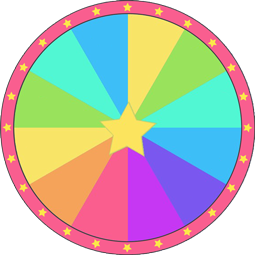
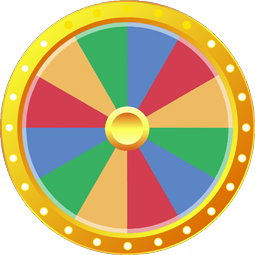
Mood Topics Matcher Wheel is a free online wheel spinner with 20 options, including Chill, Smart and Fun. Click or tap the wheel and it stops on one random result.
A topic feels easier to start when it matches the state you are actually in. Mood Topics Wheel helps during a rainy study break, when your notes are open but your mind is not ready for a topic that fights your current energy.
This is not about chasing the most impressive idea. It is about finding the topic that fits how you think tonight, whether you need something quiet, direct, personal, or easier to shape alone.
The usual advice says to pick the strongest topic. That can backfire. A strong topic that does not fit your mood can feel heavier than a simple one that matches your attention and pace.
Mood based choosing works because it starts with fit. Your topic should feel possible before it feels polished.
Match Chill, Focus, Tired or Social Moods to Topic Options
Chill works when you need a topic that gives you room to think without rushing. Focus fits a topic with clear structure, a direct argument, and fewer distractions around the main idea.
Tired does not mean useless. It means the topic should be smaller, cleaner, and easier to explain without forcing extra complexity into the assignment.
Social works differently. It fits discussion topics, group reactions, and ideas that become stronger when other people respond.
Keep Presentation Ideas Tied to Your Current Study Energy
A presentation topic should match the energy you can actually bring to it. If you are studying alone and the room feels quiet, a Solo topic may help you build a tighter point without depending on group momentum.
The key is honesty. Do not choose a loud topic because it sounds impressive if your current attention needs something simpler and more controlled.
For study sessions where mood affects both effort and pacing, a study mood matching guide can help connect topic choice with how you plan to work through the session.
Use the Matched Topic for a Short Assignment or Discussion
The wheel result becomes useful when it turns into a real task. A lighter mood can lead to a short reflection, while a more focused state can support a sharper explanation or class discussion.
Mood Topics Wheel is best for assignments that need a starting point more than a perfect thesis. It helps you stop circling ideas and start shaping one that fits the moment.
If you want a wider daily prompt flow, a daily topic selection routine can support quick class or study choices. For more polished presentation planning, an advanced topic selection path can help when the assignment needs a stronger final angle.
Switch Between Solo and Group Friendly Topics When Mood Changes
Your mood can shift before the presentation. That does not make the first choice wrong; it means the topic may need a different format.
A Solo idea can become a small group prompt if it needs more examples. A Social idea can become a personal explanation if the class setting changes or the discussion time gets shorter.
Keep the topic flexible. The match should support your work, not trap it.
Use mood as a topic filter, not a final answer
A good mood based system gives you clarity without pretending feelings should make every academic choice for you. The wheel suggests a direction, then you check the assignment, time limit, and what you can explain clearly.
If you are stuck between keeping or changing a topic after your mood shifts, a yes/no answer spinner can support that quick second check while you still make the final call.
Mood Topics Wheel works best when it helps you recognize what fits tonight. It turns the first step into something personal, practical, and easier to begin.
For more topic tools built around quick student choices, spin the wheel for mood based topics and use the result as a starting point you can shape to your own study style.
Match tonight’s topic to your current mood
Which mood topic should I pick for a rainy study break?
Spin the wheel to match your current state to an activity theme like Focus, Chill, or Curious. If the pointer lands on Zen or Calm, you might spend ten minutes listening to the rain or stretching. If you land on Energetic, switch to a brisk indoor workout before heading back to your books.
Can I use this wheel if I feel Lazy or Tired?
This wheel includes entries for lower energy levels such as Lazy and Tired alongside Solo or Bored. Landing on these can prompt low-effort break ideas, like closing your eyes or having a hot drink. You can turn on the option to remove each winner from the wheel so you do not repeat the same mood twice.
How do I import moods from a spreadsheet file?
You can upload a list directly using a .csv, .xlsx, .xls, or .ods file. When importing, the tool lets you pick the specific sheet and column containing your text. The entries are placed into the list next to the wheel, which automatically redraws to show your new mood topics immediately without needing an account.
Does every mood entry have an equal chance of winning?
Every mood slice on the wheel has the exact same probability of being selected. All slices are identical in size, and the winning outcome is calculated using the browser's cryptographic random generator. Whether the wheel holds Chill, Brave, or Smart, no entry receives an unfair bias during any spin on your phone or computer.
More Education wheels you might like
More wheels from the same category. Pick one and spin it in seconds.

Randomly select a student while keeping classroom participation balanced



Find a classroom ready debate topic before preparation slows down