

 By Noah Reed
Published
By Noah Reed
Published
Controlled Lab Choices with Science Lab Wheel
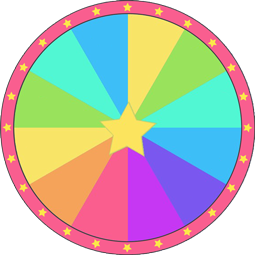
Lab Fun Adventure Wheel is a free random picker that holds 13 options such as Mix test, Light test and Lens view. One spin lands on exactly one of them — no signup and no download.
Goggles sit beside the beakers before the first class walks in, and the room already feels ready for something students can actually see happen. Science Lab Wheel gives that curiosity a controlled starting point before the lesson turns into a scramble for supplies, stations, and explanations.
The goal is not to make lab work random for its own sake. The goal is to let a visible result open the activity, then let the teacher turn that result into a supervised test with clear limits.
The tricky part starts before students touch anything. A teacher may have one station ready for Color mix, another table set for Magnet test, and only enough time to explain the setup once. If the class senses that a visible reaction is coming, attention rises quickly, but so does the need for structure.
Science Lab Wheel works best when the selection happens before the instructions. The reveal creates interest, and the teacher immediately converts that interest into materials, roles, and safety boundaries.
Experiment Stations for Color, Magnets, Light, Air, and Slide Views
Stations need different kinds of attention. Color mix is visual and fast, Magnet test is easier to contain, Light test needs positioning, and Slide view asks students to slow down and observe. A wheel result is useful only when the teacher maps it to the right station behavior.
That is why the setup should be prepared before the spin. If the chosen test needs quiet observation, the class should know where to stand, what to record, and how long the first look should take.
For teachers who want more variety around the same lesson block, fresh class idea prompts can support the activity plan without turning the lab into a loose game.
Opening the Science Lab Wheel Before Assigning Today’s Test
The reveal belongs at the start of the lesson because it gives students one shared focus. Instead of hearing a long list of possible activities, they see the selected test and immediately begin wondering what the result will look like.
Science Lab Wheel should not replace the teacher’s judgment. If the room is not ready for a certain station, the teacher can limit the wheel to safe options for that class period. Keep the discovery inside the setup.
A related science study roulette session can fit better on review days, while the lab wheel belongs to moments when students will handle materials, observe changes, and record what they notice.
Turning the Selected Test Into a Supervised Classroom Activity
Once the wheel lands, the result needs a classroom shape. Mix test may become a demonstration first, while Magnet test can move to pairs if the materials are simple and the table space is clear.
The teacher’s job is to translate surprise into sequence: explain the aim, assign roles, run the test and pause for observations. That order keeps the energy useful instead of noisy. Let the reaction serve the lesson.
For days when the class needs a lighter opening before lab work, a classroom activity picker can help set the room’s rhythm before students move into hands on stations.
Teachers building several activity formats can keep the lab page beside a broader school activity wheel collection, especially when different classes need different levels of movement, observation, and structure.
Safety Checks for Heat, pH, Scales, Lenses, and Notes
Some results need a slower handoff. A Safety check should happen before any station with heat, liquids, lenses, or shared tools. Even a simple observation task can become messy if students do not know what to touch, what to leave alone, and where to place their notes.
Science Lab Wheel is strongest when it supports safe anticipation. Students get the excitement of a reveal, but the teacher keeps the authority to pause, adjust, or narrow the activity. That balance protects the lesson and keeps curiosity from outrunning preparation.
A Lab Decision Grid That Keeps Curiosity Contained
A practical lab grid starts with the room, not the wheel. The teacher checks which materials are ready, which stations can handle pairs, and which tests need direct demonstration. Then the selected result becomes a path through the lesson instead of a sudden demand for equipment.
For group rotation or choosing which pair presents first, a random participant picker can support the classroom flow because it manages student order while the lab wheel manages the activity itself.
This separation matters. One tool answers what the class will test, another can help decide who moves, speaks, or shares. The result is cleaner: visible curiosity, safer movement and fewer last minute arguments near the materials table.
A well prepared lab does not need to feel flat. With SpinTheWheel.net, the teacher can add a clear reveal to the lesson while still keeping the classroom anchored in supervision, observation, and safe routines.
The best use is simple: set the safe options, reveal the test, explain the limits and let students notice what happens. That is where the surprise becomes useful.
Open today’s lab test before students arrive
What science activities are on the Lab Fun Adventure Wheel?
The wheel includes 13 hands-on stations such as Mix test, Heat check, Water test, pH check, Slide view, and Safety check. Teachers and lab supervisors can spin it to assign tasks randomly during class experiments. You can also turn on the option to remove each winner so students complete every activity without repeating any.
Which lab station should students start with?
Spin the wheel to pick an initial task like Scale check, Note take, or Magnet test at random. Because every slice is equal and uses cryptographic random selection, each experiment station has an identical chance of being selected. You can remove slices after each spin to work through remaining stations systematically.
Can I paste my own list of lab experiments into the wheel?
You can paste an entire lab task list directly using Text Mode instead of adding items one by one. Switch to Text Mode, paste your activities with one entry per line, and the wheel will automatically redraw. You can also import spreadsheet files like CSV or XLSX files and select the specific column containing your tasks.
Does the Lab Fun Adventure Wheel work on a phone in class?
The wheel runs in web browsers on phones, tablets, and computers without requiring an account. You can pass a mobile device around lab groups or project it at the front of the classroom for the whole class to see. Sound effects like ticking and winning chimes can be adjusted or silenced to prevent lab disruptions.
More Education wheels you might like
More wheels from the same category. Pick one and spin it in seconds.

Randomly select a student while keeping classroom participation balanced


Find a classroom ready debate topic before preparation slows down