

 By Noah Reed
Published
By Noah Reed
Published
Science Study Wheel Under a No Repeat Rotation Rule
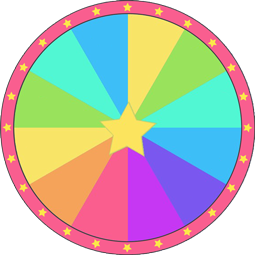
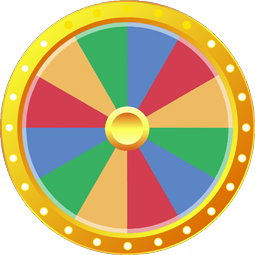
Science Study Roulette Wheel is an online education wheel built from 18 equally sized segments, among them Cells, Heat and Climate. Every spin returns a single result.
Four color coded science lanes sit beside physics notes and a model planet life science, physical science, Earth science, and space science. The Science Study Wheel decides which lane moves today before the most familiar topic quietly wins again.
This page is not a concept explanation tool. It is a rotation protocol for students who want topic variety across several short sessions. The result becomes a place in a schedule, not a signal to repair every weak idea immediately.
Curiosity stays useful when it travels. A no repeat rule keeps Cells from appearing three times while Oceans, Rocks, or Magnets remain untouched, and the log makes that variety visible from one session to the next.
Build Four Rotation Lanes Before the First Spin
Sort the items by study lane. Cells, DNA, and Plants can sit in life science. Energy, Motion, Waves, Atoms, Forces, Heat, Light, Gravity, and Magnets belong in physical science. Oceans, Rocks, and Climate form an Earth lane, while Space, Stars, and Planets create a space lane.
When the routine needs a less expected entry point, unusual study variation prompts can change how a slot feels without changing which lane is due.
Mark the lane used most recently. It becomes temporarily ineligible, so the next spin must come from one of the other three. This prevents preference from disguising itself as a balanced science routine.
Match Each Rotation Slot to a Session Type
After the topic appears, assign one session type retrieval, diagram, application, comparison, or observation. The session type changes the activity while the wheel controls only the topic order.
A similar rotation principle appears in language study skill rotation, where varied practice modes stop one comfortable activity from taking every session.
Planets might receive a diagram slot today, while Heat receives an application slot later in the week. Do not reroll because the assigned mode feels unfamiliar. Reroll only when the item is outside the current course, needs unavailable equipment, or was completed in the previous slot.
Leave a Mini Output in the Rotation Log
Every slot should leave a small trace five recall prompts, one labeled sketch, two worked examples, a comparison table, or three observation notes. The output records that the rotation happened; it does not claim that the entire topic has been mastered.
For students building longer schedules, advanced study planning structures can place these short outputs inside a wider weekly plan without replacing the no repeat sequence.
Write the date, lane, topic, session type, and mini output in one line. If Motion produced two worked examples, that line is enough. Detailed corrections can move to a separate review list instead of taking over the rotation ledger.
Send the Topic to the Back of the Queue
Once the slot ends, move the selected topic behind every unused topic in its lane. Then make the completed lane ineligible for the next session. The queue now determines variety before mood or habit can interfere.
Hard topics stay in the system. They can receive a smaller session type, but they should not disappear merely because they require more effort. A difficult Atoms slot might become five terminology cards rather than a long chapter review.
Before closing, preview only the eligible lanes for next time. Do not choose the next topic early; queue the possibilities and leave the actual result to the next spin.
Run the Science Rotation Ledger
Create one row for each session with six fields date, eligible lanes, selected topic, session type, mini output, and next eligible lanes. Cross out the lane used last time before spinning, then return the finished topic to the back of its queue.
When several eligible items remain in the same lane, a random name picker can make the neutral selection while the ledger continues to control eligibility, order, and repeat prevention.
The Science Study Wheel succeeds when the ledger shows movement across life, physical, Earth, and space science. A week with different lanes and session types is the outcome, even when no single session attempts full revision.
Across repeated sessions, a general purpose wheel spinner keeps the selection unpredictable while the ledger preserves order. Variety comes from the queue, not from abandoning the course list.
Rotate one science lane, log the mini output, and queue a different topic for next time.
Which science topics are included on this study wheel?
The wheel covers 18 broad topics across biology, physics, and earth science. You will find items like Cells, DNA, Energy, Motion, Atoms, Rocks, and Climate. You can add or remove topics using the list next to the wheel, which updates the slices immediately as you type, or switch to Text Mode to paste in your own syllabus.
Can I avoid picking the same science subject twice?
You can turn on the option to remove each winner from the wheel after every spin. When selected topics like Gravity, Magnets, or Waves are chosen, they disappear from the wheel so you do not study them again during that session. Each slice has equal size and is chosen using the browser's cryptographic random generator.
How do I save this science study wheel for later?
You can save this wheel directly in your browser without creating an account. If you want to use the wheel across multiple devices like your phone, tablet, and laptop, signing in will sync your saved wheels automatically. Your custom science entries remain stored locally in your browser and are never published on the website.
What is a good way to adapt this wheel for physics review?
You can replace general entries like Plants and Oceans with specific physics units such as thermodynamics, optics, or circuit theory. Use Text Mode to paste your new unit list at once, or import a spreadsheet file directly. The wheel redraws instantly to fit your curriculum, and you can adjust the spin length and colors.
More Education wheels you might like
More wheels from the same category. Pick one and spin it in seconds.

Randomly select a student while keeping classroom participation balanced



Pick a humorous presentation topic that encourages audience participation