

 By Noah Reed
Published
By Noah Reed
Published
Debate Topics Wheel Frame a Class Ready Issue
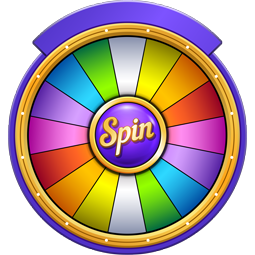
Debate Topics Guide Wheel is a free online wheel spinner with 13 options, including Ethics, Cryptocurrency Rules and Solo vs Team Projects. Click or tap the wheel and it stops on one random result.
A topic can sound fascinating and still fail as a classroom debate. Students may be ready to argue about Digital Privacy or AI Ethics, yet the room stalls when no one can state the exact question, define the key terms, or locate evidence for both positions.
The Debate Topics Wheel should therefore begin an issue framing check, not end the decision. Its result is a subject area. The class still needs to turn that subject into one contestable question with manageable scope, shared definitions, and evidence that does not favor only one side.
This separates an interesting issue from an easy one. A class ready topic may be demanding, but it remains controllable students understand what is being claimed, know where disagreement begins, and can build an argument map without turning the discussion into unrelated opinions.
Use the selected result as raw material. Test its frame first, then assign positions only after both sides have something specific to prove.
Turn the Result into One Contestable Question
Begin by writing the result as a question that could reasonably receive two different answers. “Social Media Limits” becomes useful when the class identifies who would set the limits, which users are affected, and what outcome the policy is supposed to improve.
If the wording contains several decisions at once, reduce the scope. A result from creative classroom topic prompts may generate an unusual direction, but it still needs one clear point of disagreement before students collect arguments.
Read the question aloud. If students immediately debate different versions of it, the issue frame is not ready. Rewrite the boundary rather than treating confusion as productive complexity.
Match Complexity to What Students Already Know
Complexity should come from reasoning, not missing background knowledge. Human Mars Missions can support a demanding debate when students understand the basic costs, risks, and scientific goals. Without that foundation, the discussion becomes guesswork about space rather than an argument about policy.
For classes prepared to manage denser tradeoffs, advanced debate topic challenges can raise the difficulty. The readiness test remains the same students must be able to explain the central conflict in one sentence before defending a side.
The myth is that familiar subjects are automatically better. School Uniforms may be familiar yet too broad, while Space Law may become workable after one rule, jurisdiction, and consequence are defined.
Test Definitions and Evidence on Both Sides
List the terms that could change the argument. For AI Ethics, words such as harm, accountability, and fairness need working definitions. For Tax Fairness, the class must specify which tax and what standard of fairness is being judged.
Next, check evidence access. Each side should have at least two credible evidence routes, such as a policy example, a statistic, a documented outcome, or an expert explanation. Personal experience can illustrate a claim, but it should not carry the entire case.
Student debate planning guidance can help assign later speaking tasks, while the issue check decides whether those roles would be arguing the same question.
Broader classroom wheel collections can vary future prompts without replacing the definitions and evidence test required for each result.
Build the Argument Map Before Assigning Sides
Write one central claim, one counterclaim, and two evidence prompts for each position. Add a boundary statement describing what the debate will not cover. This prevents Digital Privacy from expanding into every technology concern or Vegan School Meals from becoming a general argument about all food choices.
The Debate Topics Wheel has completed its job only when the result becomes an argument map. Students should be able to point to the exact claim, identify the opposing claim, and name the kind of evidence needed before anyone prepares an opening statement.
Use the Class Ready Issue Gate.
Pass the proposed question through four checks one contestable sentence, shared definitions, two defensible positions, and comparable evidence access. Mark the frame Ready when all four pass, Reframe when the subject is sound but one check fails, or Replace when the class cannot create balanced positions from the available information.
If two revised frames both pass, a two option decision spinner can choose between them. The choice happens after readiness is established, so randomness selects a usable issue rather than deciding which weak frame the class must tolerate.
This gate keeps debate energy attached to reasoning. A provocative subject can remain challenging without letting undefined terms, unequal research access, or an oversized question control the discussion.
Teachers and students can use spin the wheel for debate topics as the visible starting point, then apply the same readiness checks whenever a new result appears. That repeatable sequence makes the tool useful beyond a single class period.
The final outcome is not merely a topic title. It is a bounded issue with two supportable positions and an evidence plan the class can actually use.
Check the issue frame before assigning sides.
What debate topics are on this wheel?
The wheel contains 13 classroom debate prompts spanning technology, policy, and society. Entries include Vegan School Meals, Digital Privacy, Space Law, Classroom Robots, and Four Day Workweek. You can edit these items directly in the list next to the wheel, paste an entire new list in Text Mode, or import topics from a spreadsheet file.
How do broad topics become evidence ready debate motions?
Broad topics become evidence-ready motions when students narrow them into specific policy or value propositions. For example, Animal Testing can become a motion on banning medical trials on primates, while Tax Fairness can focus on wealth taxes. Once a topic is selected, use the setting that removes the winning slice so subsequent spins pick different topics.
Can I save the debate topics guide wheel for later?
You can save this wheel directly in your browser without creating an account. If you want to access your customized topic list on another computer, tablet, or phone, signing in will sync your saved wheels across devices. Your debate entries remain private in your browser and are never published publicly on the website.
Does every debate topic have an equal chance of winning?
Every entry on the wheel has the exact same probability of being selected. All slices are identical in size, whether the wheel has 13 topics or hundreds. The winning slice is determined using your browser's built-in cryptographic random generator on each spin, guaranteeing that options like Ethics and Cryptocurrency Rules have equal odds.
More Education wheels you might like
More wheels from the same category. Pick one and spin it in seconds.

Randomly select a student while keeping classroom participation balanced