

 By Noah Reed
Published
By Noah Reed
Published
How Classroom Managers Can Use Student Turn Picker
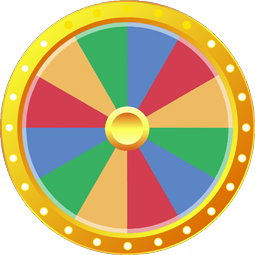
Student Turn Wheel is an online education wheel built from 12 equally sized segments, among them Next Turn, Retry Turn and 1 Min Turn. Every spin returns a single result.
Who goes next when quiz teams are leaning forward and the last bonus round made everyone louder? Student Turn Picker gives the next move a clear signal before the room turns the turn order into an argument.
The game needs speed. A classroom activity can lose control in the few seconds between “your turn” and “why them?” Use the picker to keep the turn visible, fair, and easy to act on.
The pressure builds after one surprising result. Bonus Turn gets a cheer, Retry Turn gets questions, and Pass Turn can make students wonder whether the order still counts. If the rule is blurry, the game energy turns into side debate.
Set the turn rule before the spin. Then let the result move the activity forward. The class should be tracking the game, not negotiating the system.
Use the Turn Picker for Bonus, Retry, and Reverse Moves
A turn wheel works best when each result has a classroom meaning. Next Turn moves the order forward. Bonus Turn gives one extra chance. Reverse flips the direction and wakes the room up fast.
Keep each move short. If Retry Turn appears, the student gets one quick second attempt. If 1 Min Turn appears, start the timer and let the class watch the same rule apply to everyone.
For general student selection outside game turns, student name picker routines can support standard classroom calls without changing the game order.
Set Clear Turn Rules for Games, Quizzes, and Rotations
Rules protect the pace. Before the first round, tell students what happens with Pass Turn, Retry Turn, and Bonus Turn. Say it once. Keep it simple.
A quiz team can handle surprise when the boundary is clear. A rotation can stay fair when every table understands whether Fast Turn skips discussion time or only shortens the answer window.
For faster classroom moments, quick student selection prompts can help when the activity needs a name call, not a full turn order mechanic.
Balance Participation When Passes Change the Order
Pass Turn can be useful, but it needs a limit. One pass keeps a shy student from freezing. Too many passes make the game feel uneven.
Track the loud reactions. If one team keeps getting extra chances, the room will notice before you do. The fix is not to stop the game; it is to reset the turn order with a visible rule.
When the activity shifts from fast answers into speaking roles, classroom debate turn guidance can help keep participation balanced during longer student responses.
Turn the Picked Move into the Next Visible Student Action
The result should become action immediately. Next Turn means the next student speaks. Bonus Turn means one extra answer. Reverse means the order changes now, not after another discussion.
Student Turn Picker works because students can see the decision and connect it to the next move. That keeps the game feeling active instead of personal.
Do not stretch the turn. The quicker the result becomes action, the less space there is for argument.
Keep turn control inside the game.
A useful Turn Control Matrix keeps turn rotation, fairness, and classroom order tied to the same visible system. The wheel gives the game surprise, while the teacher keeps the rule set tight enough for teams to accept the result.
When several turn moves are still valid and the class needs a neutral result, a multi option choice spinner can support the same kind of structured selection without replacing the teacher’s turn rules.
The best classroom game feels unpredictable without feeling unfair. Students can cheer a Lucky Turn or groan at Reverse, but the room should still trust the process.
A customizable wheel spinner lets classroom managers build turn sets that fit quizzes, review games, team challenges, and fast rotations without rewriting the rules every round.
Student Turn Picker should make the next move obvious. Set the rule, spin once, and keep the game moving.
Play the next turn without classroom arguments.
How do turn modifiers like Swap Turn or Skip Turn work?
The wheel introduces game-like rules to classroom activities instead of a simple fixed order. When a team lands on Skip Turn, their round is passed to the next group, while Swap Turn lets them trade places with another team. Teachers use options like Reverse or Double Turn to keep group review games dynamic and unpredictable without arguing over turns.
What should a student do when landing on 1 Min Turn?
Landing on 1 Min Turn means the student or group has sixty seconds to answer a question or complete their task. Other outcomes like Quick Turn or Fast Turn signal brief responses, whereas Bonus Turn grants an extra attempt. If you do not want an outcome repeated in the same lesson, enable the setting to remove winners after each spin.
Can I import custom turn rules from an Excel or CSV file?
You can import turn lists directly using an .xlsx, .xls, .ods, .csv, or .txt file. The import tool lets you select the specific sheet and column containing your turn actions. The wheel updates immediately in the browser without requiring an account, and entries can also be pasted all at once using Text Mode next to the wheel.
Which variation works best for individual student presentations?
Replace the action rules with student names to turn the picker into a speaking order selector. For presentations, enabling the setting to remove each winner ensures every student presents exactly once. You can save your customized student list in your browser, or sign in to sync the saved wheel across your classroom computer, tablet, or phone.
More Education wheels you might like
More wheels from the same category. Pick one and spin it in seconds.

Randomly select a student while keeping classroom participation balanced