

 By Noah Reed
Published
By Noah Reed
Published
Fantasy Writing Wheel Built Around Worldbuilding Starts
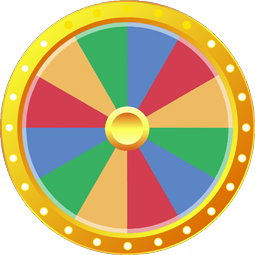
Fantasy Writing Roulette Wheel is a free spinner listing 12 options — Elf Quest, Fairy Forest and Giant among them. Tap once and the pointer picks one at random.
A half named kingdom can spread across three pages of map doodles without becoming a coherent place. The Fantasy Writing Wheel narrows that sprawl to one element that can shape public rules, daily habits, and geography.
The useful result is not a scene assignment. It is a setting anchor a visible feature that explains why people build, travel, govern, celebrate, or fear in a particular way.
A circled Dragon Den may already be stronger than five disconnected legends. Once it changes where villages stand and how families prepare for migration season, the map begins to carry social logic.
Writers using imaginative prompts within the education wheel category can keep the activity exploratory while giving every new detail a common worldbuilding center.
Choose One Anchor with the Fantasy Writing Wheel
Start with one result and ask what it controls at setting scale. Magic Ring might regulate inheritance, Dark Tower might define a forbidden border, and Elf Quest might explain which roads receive protection.
Do not add history, factions, and creatures yet. First name the domain the anchor changes travel, law, trade, ritual, settlement, or public memory. That domain becomes the test for every later detail.
General creative writing prompt choices can open many kinds of drafts, but this wheel stays with the slower architecture of a fantasy world.
Make Magic a Public Rule Readers Can Track
A readable magic system leaves evidence beyond the person using it. If a Rune Stone preserves spoken promises, courts may build testimony chambers around one. If a Magic Ring stores memories, families may create rules for inheritance and consent.
Consistency comes from repetition across institutions. The same magical rule should influence law, education, craft, and ceremony without changing its basic function whenever the plot needs convenience.
The disciplined categorization used in focused science study prompts offers a useful comparison define what the system covers, what it does not cover, and which visible evidence confirms it.
Build Creature and Kingdom Behavior from the Anchor
Creatures become part of worldbuilding when communities adapt around them. A Sea Monster can redirect shipping lanes, change harbor architecture, and create a seasonal warning ritual. A Giant can determine bridge height, border watch patterns, or the location of abandoned farms.
King Crown should also reach beyond symbolism. It might authorize land surveys, settle succession customs, or determine which city hosts the royal archive. The object matters because institutions organize themselves around it.
When the anchor needs a less expected cultural expression, unusual writing constraint ideas can help vary the custom without replacing the underlying logic.
Trace the Rule into Culture Habits and Map Consequences
Move through a fixed chain setting anchor, public rule, repeated habit, institution, map consequence. Dragon Den might produce a no building zone, an annual ash clearing ritual, a watch guild, and a curved road that keeps carts beyond the heat line.
Fairy Forest can shape a different chain. If iron is forbidden beneath its canopy, nearby towns may rely on woodcraft, merchants may unload metal at boundary houses, and maps may mark separate footpaths for protected travel.
The map is the final check. A world rule that never affects borders, roads, districts, resources, or settlement patterns may still be decorative rather than structural.
Trace One Element Through the Setting
Use a five part grid. Record the picked element, define one public rule, list three habits created by that rule, name one institution that maintains it, and mark one geographic consequence.
When several drafted anchors seem equally usable, an online wheel of names can choose which one enters the grid first. It selects the test subject; it does not decide the culture or geography.
The Fantasy Writing Wheel passes the grid when every row connects. Finish with one sentence that explains how the element changes ordinary life across the setting.
That chain keeps discovery active without letting lore scatter. New details can still surprise the writer, but each one must strengthen, challenge, or visibly respond to the anchor.
A browser based spinner tool makes repeated worldbuilding sessions easy to vary while the method remains stable one result, one public rule, one culture pattern, and one map effect.
Build one culture rule and one map consequence from the picked element.
How do I connect two fantasy prompts from this wheel into one plot?
Spin the wheel twice and build a direct cause between the two outcomes. For example, if you land on Orc Raid and then Mage Duel, make the duel the consequence of the raid, or draw an Elf Quest followed by Dark Tower to establish an immediate destination. Using the option to remove each winner ensures you never pull duplicates while outlining.
Can this wheel help tie my world lore together?
This wheel helps connect separate elements into coherent world logic by forcing unexpected links. Landing on Sea Monster and Rune Stone together might push you to invent an ancient coastal magic system rather than treating monsters as isolated threats. If you need to focus on specific regions, you can edit entries directly in the list beside the wheel as your story expands.
Where do I paste my own list of fantasy tropes instead of typing them?
Switch to Text Mode to paste your entire list at once instead of adding entries individually. Text Mode accepts lists formatted with one entry per line, instantly replacing or updating items like Fairy Forest and Dragon Den. The wheel redraws automatically to match your text, and there is no fixed limit on the number of writing prompts you can include.
What should I do if I get a prompt I do not want to write?
Simply spin the wheel again, or remove the unwanted prompt from the list next to the wheel. Every slice has an equal chance because winners are selected using the browser cryptographic random generator. If you prefer to eliminate prompts permanently as you draft, enable the setting that removes each winner from the wheel so that option cannot appear twice.
More Education wheels you might like
More wheels from the same category. Pick one and spin it in seconds.

Randomly select a student while keeping classroom participation balanced


Pick a humorous presentation topic that encourages audience participation