

 By Noah Reed
Published
By Noah Reed
Published
Language Study Wheel Without Grammar Overload
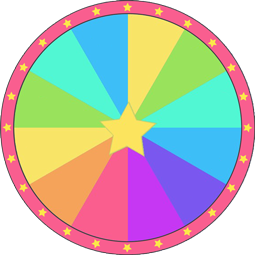
Language Study Wheel is a free spinner listing 17 options — Grammar, Pronounce and Accent among them. Tap once and the pointer picks one at random.
Better fluency starts with one focused drill, not another crowded study list. Language Study Wheel helps a commuter learner turn a moving bus ride into a clear practice slot before safer grammar work takes over again.
The expected plan sounds sensible review rules first, speak later. The real result is different. Speaking practice keeps getting pushed back, vocabulary feels half remembered, and the learner repeats phrases quietly while trying not to bother anyone nearby.
That pressure is small but stubborn. Grammar feels safe because it has right answers. Pronunciation, Listen, and Speech feel more exposed, even when they are exactly the skills that need steady attention. The ride ends, the notes close, and fluency has not moved much.
A Language Study Wheel changes the shape of that moment. It does not ask the learner to master everything at once. It narrows the next topic, gives the session a boundary, and makes one useful drill feel possible before the day gets louder.
Grammar, Vocabulary, Accent, and Translation Needs Separated by Focus
Different language topics create different kinds of progress. Grammar builds control, Vocab supports recall, Accent sharpens how words sound, and Translate tests whether meaning can move between languages without getting stuck. Mixing them all into one short session usually creates noise.
A better approach is to let the wheel separate the need first. If Vocab appears, the drill can stay on memory and use. If Accent appears, the learner can quietly mark stress and rhythm instead of opening another rule chart. Keep the task narrow.
For students who need the language drill to sit inside a wider routine, a study plan wheel for daily blocks can help place the selected topic into homework, review, or commute time without letting it expand into a full schedule rebuild.
Narrowing the Language Study Wheel Before Another Grammar Heavy Pick
The wheel should not be loaded with every possible topic every time. If Grammar has already dominated the week, the next spin can focus on speaking, listening, or word use. That choice lowers friction because the learner is not fighting the same comfortable habit again.
Language Study Wheel works best when the available topics match the weak spot of the day. A learner who keeps reading well but freezing during speech might leave Tenses aside for one session and let Pronounce or Speech take the space.
A similar logic can support other subjects, and a science study roulette format shows how narrowing a topic before practice can make short study windows easier to use.
Practice Formats for Listening, Pronunciation, Reading, and Phrasal Verbs
The selected topic needs a format, not just a label. Listen can mean replaying one short clip and writing down three heard phrases. Pronounce can mean repeating five words softly, checking mouth position, then saying them in one sentence.
Reading asks for a different rhythm. Phrasal can become a mini drill where the learner uses one phrase in two normal sentences instead of memorizing a long list. The point is fluency through use, not a perfect notebook page.
For learners who also rotate through school subjects, a history study topic wheel can keep the same focused practice habit alive outside language work, especially when review time is short and attention is already thin.
Using the Selected Topic for One Focused Fluency Drill
One result should become one drill. If Synonyms appears, the learner can take one familiar sentence and rewrite it with two word changes. If Quiz appears, the session can become a quick recall check before the next stop.
This matters because overload often hides inside good intentions. The learner opens too many tabs, saves too many examples, and ends up doing less speaking than planned. A small drill creates a finish line.
Use the result as a tight container. The drill should be short enough to complete before the bus ride, class break, or evening study slot disappears.
A Language Progress Loop That Keeps Fluency Moving
A useful language loop starts with the topic, then turns it into a repeatable action. Grammar becomes one corrected sentence. Vocab becomes five active words. Listen becomes one short audio pass with notes. The loop stays light enough to repeat, which helps vocabulary retention without making the learner feel buried.
When the learner wants a broader random selector for the same kind of topic narrowing, a random wheel for language topics can support the habit because it separates the choice from the practice and keeps the session from becoming another debate with the notebook.
The result should still meet the real day. If the bus is crowded, silent Reading may fit better than Pronounce. If the learner has privacy later, Speech can wait for a stronger practice moment. That is not skipping progress; it is matching the drill to the setting.
Fluency grows faster when practice has a place to start. With spin the wheel for language practice, the learner can turn a loose study urge into one focused topic before grammar overload takes the whole session again.
Language Study Wheel is most useful when it protects variety without making the learner feel scattered. One topic appears, one drill begins, and the next few minutes finally have a job.
Tackle one fluency drill before grammar piles up
Which fluency topics are on the language study wheel?
The wheel includes 17 language topics such as Grammar, Idioms, Phrasal, Pronounce, Translate, and Accent. Spin once to pick a focus area for your practice session. You can edit this list directly next to the wheel or add your own specific targets in Text Mode, which accepts a pasted list with one entry per line.
How do I use the wheel for daily speaking practice?
Spin the wheel to select an entry like Speech, Pronounce, or Accent, then spend five to ten minutes talking aloud on that topic. If you draw Verbs or Tenses, practice conjugating aloud in full sentences. All slices have equal size, and the browser's cryptographic random generator ensures an unbiased pick every time you spin.
Can I remove completed language drills after spinning?
You can enable the option that automatically removes each winning topic from the wheel. Once an item like Synonyms, Reading, or Quiz is drawn, it disappears from subsequent spins so you will not repeat the same drill in one study session. You can restore deleted entries later by typing them back into the list next to the wheel.
What if I get a study topic I do not want to practice?
You can simply spin again to pick an alternate entry, or remove unneeded topics from the list editor. If you do not want to study Writing or Antonyms today, delete them from the list next to the wheel, and the canvas redraws instantly. Your modified list stays saved in your browser for your next session.
More Education wheels you might like
More wheels from the same category. Pick one and spin it in seconds.

Randomly select a student while keeping classroom participation balanced



Find a classroom ready debate topic before preparation slows down