

 By Noah Reed
Published
By Noah Reed
Published
Finding Today’s First Study Block with Daily Study Planner
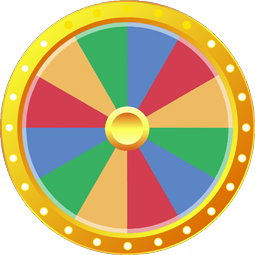
Daily Study Planner Wheel is a free spinner listing 12 options — Math Rev, Watch Doc and Deep Work among them. Tap once and the pointer picks one at random.
The deadlines are already written down, but tonight’s study schedule can still have an empty first slot. Daily Study Planner is for that gap it places one schedule safe study task type into the first open block instead of choosing which subject matters most.
At the kitchen table, Math, reading, vocabulary, and essay notes may all be visible at once. A worksheet due tomorrow is a fixed commitment. The wheel does not compete with it. The useful choice is what kind of study work belongs in the first flexible block around those commitments.
That makes this different from a homework pile checkpoint. You are not asking which urgent assignment to rescue first. You are shaping today’s routine after urgent deadlines have already been marked.
Separate Today’s Task Types Before You Place the First Block
Start by recognizing the kind of work each result represents. Math Rev and Quiz Self are retrieval heavy. Read Book and Watch Doc lean toward input. Solve Sum and Practice require active work, while Plan Essay and Write Note produce structure or written thinking.
This keeps the schedule about task type rather than subject selection. If tiredness is likely to affect the first slot, energy aware study matching can help judge whether a lighter or heavier block fits the evening.
A broader study planning structure is more appropriate when you need to map several blocks or an entire week. Here, the goal stays narrower place the first flexible block for today.
Use the Planner After Subjects and Hard Deadlines Are Known
Daily Study Planner should enter after you have checked what is due and which subjects are already fixed. If a science lab report must be submitted tonight, that obligation keeps its place. The wheel only works with the time that remains flexible.
This also separates the page from a topic picker. You are not spinning to decide whether Math or History deserves attention. The subject can already be known; the result tells you whether the first open slot becomes review, reading, practice, planning, or another study mode.
If the evening includes university level research rather than ordinary daily work, advanced research topic planning is better suited to judging prerequisites and research depth.
Place the Result into the First Open Slot
Once fixed deadlines are visible, find the first block of time that is genuinely available. If Learn Vocab appears and there is a twenty minute window after dinner, place vocabulary there. If Deep Work appears but only ten minutes are free, keep it for a later open block rather than forcing a poor fit.
The result is a placement decision, not an order to ignore the clock. A daily schedule works when task type, available time, and deadline pressure agree.
If you want another wheel for a different planning layer, wheel based study tools can support later choices without changing the purpose of this first slot decision.
Adjust the First Evening Block Without Replacing Urgent Work
Some evenings have enough energy for Practice or Deep Work. Others need Read Book, Draw Map, or Learn Vocab as a gentler entrance. That adjustment belongs inside the flexible part of the routine, not above a hard deadline.
A due tonight assignment remains a commitment even when another result feels easier. The wheel becomes useful after that boundary is clear, because the first open study block can then reflect the student’s real energy without turning the schedule random.
Use the First Open Slot Rule.
First, mark fixed deadlines and non movable commitments. Second, keep only task types that fit the remaining time. Third, spin once and place the result into the earliest open study slot where it fits. Finish that block before reassessing the rest of the evening.
If two equally safe tasks fit the same open slot, a random option picker can settle that secondary order. It should never override a deadline or place an unrealistic task into a time window that cannot hold it.
A simple routine becomes easier to repeat when the first slot decision has one familiar home. Keeping a study task selection wheel nearby can make the transition from dinner to study feel less like rebuilding the evening from scratch.
Daily Study Planner is most useful when it gives shape to today, not when it tries to redesign every assignment. Fixed work stays fixed; the first flexible block gets a clear task type; the rest of the schedule can be judged after that block is complete.
Place one schedule safe task into today’s first open study block.
Which study task should I start with today?
Spin the wheel once to select your opening study session from the 12 options. Starting with an assigned task like Math Rev or Learn Vocab sets immediate direction for your schedule. If you need a different priority, edit the list next to the wheel to include only tasks you need to complete today. The wheel redraws automatically as you type.
Can I use this wheel to schedule complex blocks like Lab Work?
You can use this wheel for intensive sessions like Lab Work, Deep Work, or Plan Essay. The default entries cover broad study formats, but you can paste your own syllabus items into Text Mode, one per line. If a task takes multiple hours, simply use the drawn slice to anchor your first block, then continue with your regular schedule.
How many entries can I put on this daily study wheel?
There is no fixed limit on the number of study entries you can add to the wheel. As you add more subjects, the text labels automatically shrink so every slice fits on the screen. You can type items manually in the side panel or import an existing list directly from a .csv, .xlsx, or .txt file by choosing your sheet and column.
What should I do if I do not want to do the picked task?
You can simply spin the wheel again or remove the unwanted entry from the side list. An optional setting automatically removes each winning entry so it cannot be picked twice, helping you move to another subject like Quiz Self or Solve Sum. Alternatively, adjust your entries in the editor before spinning so every option on the wheel is something you are willing to study.
More Education wheels you might like
More wheels from the same category. Pick one and spin it in seconds.

Randomly select a student while keeping classroom participation balanced


Find a classroom ready debate topic before preparation slows down