

 By Noah Reed
Published
By Noah Reed
Published
Kids Alphabet Wheel for Tiny Practice Windows
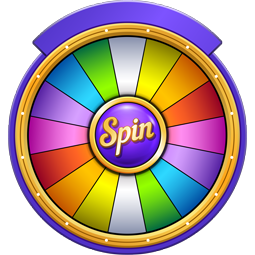
Kids Alphabet Wheel is a free random picker that holds 26 options such as A, N and Z. One spin lands on exactly one of them — no signup and no download.
On the kitchen floor mat, a Kids Alphabet Wheel can turn one letter into a quick win before alphabet practice starts feeling too big. Your child points, hears the sound, tries it back, and gets the small smile that makes the next attempt easier.
Do not start with the whole alphabet. That sounds helpful, but for a tired preschooler it can crowd the moment before learning even begins. One result gives the practice a clear shape.
The pressure rises when you want a useful activity and your child still wants play. The mat is right there, the letters are visible, and attention is already moving around the room. A spin lets you guide one tiny action instead of turning the moment into a full lesson.
For families using playful random tools in learning routines, random wheel activities for kids can support other simple choices while this page stays focused on early letter practice.
Spinning Letters Before Early Reading Drills Feel Repetitive
Early reading practice can lose its warmth when every round feels the same. A spin changes the energy fast because the next letter arrives as a small surprise, not another instruction from the adult.
If the result is M, the practice can stay light: say the sound, make a familiar word, then move on. That small success keeps the reward close to the effort.
When your child needs motion after sitting still, safe kids challenge prompts can give that energy somewhere playful to go without turning alphabet time into pressure.
Simple Repetition That Keeps Preschool Learning From Feeling Crowded
Repetition helps only when the child can stay with it. Saying S a few times with curiosity is better than pushing through a long row of letters while attention fades.
The wheel makes repetition feel fresh because each round begins with a new result. Your child is not facing a worksheet again; they are waiting to see what appears. Keep the round short. Let the smile matter.
For older learners or more specialized practice, Greek alphabet letter practice belongs in a different learning moment. Here, the goal is simple preschool recognition with less effort.
Using a Kids Alphabet Wheel for Playful Letter Recognition Practice
A Kids Alphabet Wheel works best when the result becomes something your child can hear, touch, and use right away. If T appears, you can tap the letter, say the sound, and name one familiar thing from the room.
That is enough. Letter recognition grows when the shape and sound connect inside a calm, repeatable moment.
Parents who want a broader alphabet tool can use a simple alphabet spinner for flexible letter games, while this version keeps the activity soft enough for younger attention spans.
Turning One Letter Into a Sound, Word, Drawing, or Mini Game
The selected letter should become a tiny activity immediately. P can become a sound, a picture, or a quick word from a favorite book. The result gives you a start point without asking your child to sort through every possibility.
A Kids Alphabet Wheel also helps because it turns practice into a clean reward loop. Spin, try, smile, stop before it gets heavy. That rhythm is small, but it is powerful for early learning.
Keep the win smaller than the attention span.
The core value is not speed alone. It is making alphabet learning feel easy enough to repeat tomorrow. Parents are not trying to force a perfect reading drill on the kitchen floor; they are guiding one letter moment that feels safe, playful, and successful.
For simple yes or no moments around family choices, a binary choice wheel can keep decisions light, but letter learning needs a richer result. A letter gives the child something to hear, say, draw, and remember.
Short practice works because it respects the child in front of you. Some days the result becomes a sound game. Other days it becomes one quick drawing and a laugh. Both count when the child stays engaged.
Parents using an online wheel spinner can make alphabet time feel fresh without building a complicated lesson plan. One letter, one action, one small reason to try again.
Start alphabet practice with one easy letter spin
Which alphabet letters are included on this wheel?
The wheel includes all 26 letters of the English alphabet from A to Z. You can spin it to pick a target letter like B, M, or S for a child to find on a kitchen alphabet play mat. If you want to focus only on vowels or early consonants, you can delete unwanted letters in the list next to the wheel.
Can I use the alphabet wheel for daily letter games?
You can spin the wheel to pick a random letter for daily letter games. When a letter like D or P lands, have the child sound it out, write it, or touch the matching square on a floor mat. The wheel uses equal slice sizes and draws outcomes using your browser cryptographic random generator for fair turns.
How do I stop letters from repeating after they are picked?
Enable the option to remove each winner after it is drawn. Once a letter such as C or K is selected, the wheel automatically takes it off the wheel so it will not appear again during your practice session. The remaining slices expand evenly, and the wheel redraws instantly in your browser.
Does this alphabet picker wheel work on a phone?
This wheel runs directly in web browsers on mobile phones and tablets without installing an app or creating an account. You can hold the phone while kids stand on an alphabet mat, spinning to call out letters. Sound effects like ticking and winning chimes can also be toggled off in settings if you need quiet play.
More Education wheels you might like
More wheels from the same category. Pick one and spin it in seconds.

Randomly select a student while keeping classroom participation balanced