

 By Alex Bennett
Published
By Alex Bennett
Published
Mental Wellness Wheel for Emotional Overload Triage
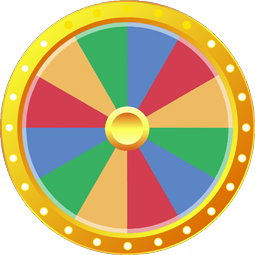
Mental Wellness Habit Wheel is an online lifestyle wheel built from 43 equally sized segments, among them 3 Minute Journal, Pet Cuddle and Message Draft Pause. Every spin returns a single result.
Your phone is face down, messages are muted, and you have already started a note without knowing what to write next. In that kind of overload, another list of mental wellness tips can create one more decision instead of relief.
The Mental Wellness Wheel is built for that decision gap. It does not try to diagnose a feeling or replace professional care. It sorts the moment into a lower load next step: steady the body, externalize thoughts, reduce incoming input, or prepare for support.
The useful question is not “How do I fix everything?” It is “What can I handle next without making the overload heavier?”
Name the overload state before choosing an action
Start with what is most difficult right now. If your body feels keyed up but your thoughts are still clear, a breath focused option may fit. If thoughts are crowded and hard to organize, Mood Log can give them a short container. If the problem is constant incoming information, No News Day points toward reducing input rather than processing more of it.
Timing matters too. Overload near bedtime can be more about ending stimulation than solving the day. A nightly unwind sleep routine is the better path when sleep preparation is the real task; this page stays focused on choosing an emotional overload response in the present moment.
Do not treat every stressed state as if it needs the same type of calm. First identify whether the friction is mainly physical activation, tangled thoughts, too much input, or a need to prepare for human support.
Route breathing, journaling, and grounding by what feels manageable
The Mental Wellness Wheel becomes more specific when each result has a job. Box Breathing suits a moment when a structured breathing pattern feels comfortable. Vent Journal is for thoughts that need somewhere to go without turning the page into a polished reflection. 5 4 3 2 1 Grounding shifts attention toward the immediate environment when thinking harder is not helping.
The right route is the one that lowers demand. If breath work makes you more self conscious, choose grounding or writing instead. If writing feels like too much interpretation, use an environmental option. You are selecting by load, not by which technique sounds most impressive.
Once the immediate overload has eased, broader wellness routine planning can handle longer term structure. That is a different job from choosing what to do during a mentally crowded ten minutes.
Use screen boundaries, mood notes, and therapy preparation deliberately
Feeling overwhelmed isn't always fixed by adding another activity. Sometimes the right result removes a source of pressure. Social Media Break or No News Day can fit when repeated checking is keeping the same emotional material active. The purpose is a temporary input boundary, not proving that screens are bad.
Mood Log works differently it records what is present so you do not have to hold every detail in working memory. Therapy Prep belongs in another lane again. It can mean noting one topic, question, pattern, or recent example you want to bring to an existing appointment; it is preparation, not a substitute for professional support.
When the overload is tied to bills or practical money decisions, a financial habit inspiration prompt can address that separate task. Keep emotional triage from absorbing a problem that needs a concrete financial action instead.
Reroll when the result adds emotional load
A random result is not an instruction you must obey. If a journaling pick would pull you deeper into material you do not want to process right now, reroll toward a lower load lane. Safe Space may be a better fit when you need less stimulation and fewer decisions before choosing anything else.
Use the same rule when attention is thin. A result that asks for reflection, conversation, or planning may be reasonable on another day and still be wrong for this moment. The goal is not to complete the wheel item; the goal is to choose an option that matches your current capacity.
If distress feels severe, you feel unsafe, or the situation needs urgent or professional help, stop using the wheel as the decision tool and seek appropriate human support. A wellness spinner can organize low stakes coping options; it cannot assess risk, diagnose a condition, or replace care.
Run a four signal overload triage.
Check four inputs in order: body activation, thought clarity, input load, and support need. High body activation points toward Ground. Tangled but writable thoughts point toward Externalize. Repeated notifications or news pressure point toward Reduce Input. A topic you need to bring into an existing support relationship points toward Prepare Support.
Then give the spin one final status: use it now, reroll to a lower load lane, or stop the wheel and seek support. The random selection wheel explains the neutral selection mechanic, but the triage step is what decides whether that random result belongs in this moment.
The Mental Wellness Wheel is useful precisely because the spin is not the final authority. Your current capacity, the intensity of the feeling, and the kind of support you need remain more important than the result.
Later, when the overload has passed, you can spin the wheel for mental wellness again and compare which kinds of options consistently fit you. That turns the tool into a clearer personal reference without making it a tracker or a treatment plan.
The next step should reduce the number of decisions in front of you, not create a new standard to meet.
Choose the lowest load next step that fits what you can handle right now.
What quick wellness habits are on this wheel?
The wheel contains simple coping activities such as Box Breathing, 5 4 3 2 1 Grounding, and Body Scan. It also includes short reflective prompts like 3 Minute Journal, Name One Need, and Stretch Break. If you want to practice multiple distinct techniques in one sitting, you can turn on the option that removes each winning slice so an activity cannot be picked twice.
Can this wheel help me prepare for a therapy session?
This wheel includes specific prompts like Therapy Prep, Worry List, and Appointment Questions to help organize your thoughts before an appointment. Selecting or spinning for Vent Journal or Name the Feeling can also help identify topics you wish to discuss with a counselor. The wheel runs directly on your phone or tablet browser without needing an account.
How do I add my own self care habits to the wheel?
You can add or edit habits using the editable list located directly next to the wheel. The wheel automatically redraws as you type your changes. If you already have your own list of activities, switch to Text Mode to paste them in all at once, or import them from a spreadsheet or text file. Your custom list stays in your browser and is not published online.
Could I turn this into a quick morning routine picker?
You can adapt this wheel into a morning routine selector by keeping gentle starters like Solo Tea, Read 5 Pages, or Calm Walk. Replace evening prompts with items like making your bed, drinking water, or planning tasks. There is no fixed limit on the number of entries you can include, and you can save your customized morning wheel in your browser for daily use.
More Lifestyle wheels you might like
More wheels from the same category. Pick one and spin it in seconds.




Lock your daily routine fast and maintain steady action flow
Find a haircut direction that fits your lifestyle and image
Choose one repeatable habit to strengthen today’s daily routine
Find one haircut direction that feels more authentically yours