

 By Alex Bennett
Published
By Alex Bennett
Published
Discover Modern Haircut Trends for a Wearable Salon Reference
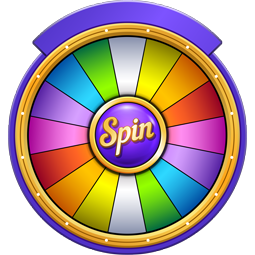
Modern Haircut Elite Habits Wheel is an online lifestyle wheel built from 19 equally sized segments, among them Textured Cut, Undercut and Urban Cut. Every spin returns a single result.
Salon reels can make five completely different cuts look right in the same ten minute scroll. Modern Haircut Trends gives that overload a narrower job: notice one trend signal, then test whether it survives your hair type, styling time, current cut and barber’s technical limits.
This is not a general haircut aesthetic picker built around identity or a folder of saved looks. The focus is the trend itself: what feature is appearing in modern cuts, why it caught your attention and whether that feature remains wearable after the reel ends.
A Modern Mullet may stand out because of its shape. Two Block may appeal because of the contrast. Textured Cut may look effortless online. The useful decision begins only after the visual signal is separated from the styling work required to maintain it.
Reading Modern Trend Signals from Textured Cuts, Mullets, Two Blocks, Crops, and Tapers
Start by naming the feature that attracted you. Crop Style may signal a compact outline. Bro Flow emphasizes movement and length. Low Taper sharpens the perimeter without forcing a dramatic change through the top.
Longer shapes have their own growth and maintenance questions, so a long haircut glow up guide fits when preserving length is more important than following a fast trend cycle.
Formal event hair belongs somewhere else too. A wedding hairstyle planning wheel handles occasion driven styling rather than deciding whether a reel trend deserves everyday wear.
Filtering Reel Driven Trends by Hair Type, Styling Time, and Maintenance
A trend survives only when the routine can support it. Messy Top may still need deliberate product and texture. Slicked Back may demand regular styling. Modern Spiky Cut can look spontaneous while requiring more control than the reel suggests.
Hair type is another filter. A style that depends on strong natural movement may behave differently on very straight hair. A dense textured result may lose its effect when the hair cannot hold the shape without daily correction.
Instead of asking whether the trend looks good online, ask what it costs each morning. That question turns trend curiosity into a realistic maintenance decision.
Comparing One Trend with the Current Cut Before Saving It for the Barber
The current haircut is the baseline. If Low Taper can be added without changing the whole silhouette, it may be a smaller trend experiment. Disconnected Undercut may require a stronger structural change and a longer grow out commitment.
If facial hair also changes the balance of the look, a beard and haircut combo wheel can handle that separate proportion question after the haircut trend is narrowed.
When you want to compare more haircut focused tools, the haircut wheel collection can provide other routes. Here, save only the trend feature that remains interesting after comparison with the hair you already have.
Checking Barber Skill and Technical Feasibility Before Committing to a Bolder Trend
Not every barber specializes in every modern technique. Clean Blend, Modern Mullet, or a strong Two Block shape can depend on precise sectioning, blending, texture control, or familiarity with the reference style.
Ask whether the barber can reproduce the feature you care about, not whether they can copy the entire reel. A technically realistic adaptation usually produces a stronger result than forcing a trend that fights the hair or the barber’s strongest skills.
Use the Wearable Trend Filter.
Identify the feature that made the reel attractive. Compare that feature with your current cut, hair type, daily styling time, and the barber’s technical confidence. Keep the trend only when it survives all four checks. If one check fails, adapt the feature instead of forcing the full cut.
If several trend signals survive equally well, a random selection wheel can narrow the final candidates. Randomness can break the tie; it should not override the wearability filter.
This approach also reduces reel fatigue. You do not need to decide whether every modern style reflects your personality. You only need to decide whether one visible trend feature can work on your actual hair after the first wash and during an ordinary morning.
With spin the wheel for modern haircuts, Modern Haircut Trends becomes a discovery step rather than another endless inspiration feed: find one signal, filter it and bring only the surviving idea into the salon conversation.
Keep one modern trend signal only after it survives your hair, routine, and barber skill check.
Which modern haircuts on this wheel work best for low maintenance styling?
Styles like the Textured Cut, Low Taper, and Messy Top require minimal daily styling compared to rigid shapes. Options like the Hard Part or Disconnected Undercut demand frequent upkeep and regular pomade application. If you prefer low effort routines, you can delete higher-maintenance cuts from the list next to the wheel before spinning.
Can trending styles like the modern mullet and bro flow fit office settings?
Classic cuts like the Clean Blend, Low Taper, and Comb Over adapt easily to formal workplaces, whereas styles like the Modern Mullet or Faux Hawk stand out more. The wheel filters salon reel trends into wearable options, but you can adjust the entry list beside the wheel to keep only workplace-appropriate cuts before making your final selection.
How do I save this haircut wheel to use before my next barber visit?
You can save this haircut wheel directly in your browser without creating an account. If you want to access your customized list of styles across phones or other devices before your barber appointment, signing into an account will automatically sync your saved wheels. Your edited entries stay private in your browser and are never published online.
What is a good variation of this wheel for clients with thin or thinning hair?
You can build a variation focused on specific hair textures, such as thinning hair or curly styles. Paste a targeted list into Text Mode containing cuts like the Crop Style, Textured Cut, and Soft Fade, with one style per line. The wheel updates immediately as you edit, providing tailored recommendations for your specific hair density and routine.
More Lifestyle wheels you might like
More wheels from the same category. Pick one and spin it in seconds.





Find a haircut direction that fits your lifestyle and image


Lock your daily routine fast and maintain steady action flow
Finishable movement picks for shrinking workout windows