

 By Noah Reed
Published
By Noah Reed
Published
Random Fun Generator in a Mixed Age Family Room
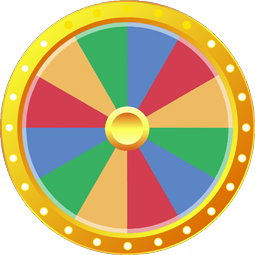
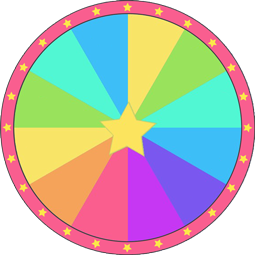
Random Fun Generator Wheel is a free random picker that holds 24 options such as Joke Round, Object Hunt and Rhythm Copy. One spin lands on exactly one of them — no signup and no download.
After dinner, a mixed age family room can have very different limits at the same time. Younger kids may want movement, adults may want something quieter, and the space itself may not support a loud or active game. Random Fun Generator works here as a room fit selector: filter the possible prompts by age range, noise level, available space and group size before anyone treats the result as playable.
This is not a general bored at home picker and it is not built around a ten minute mood reset. The useful question is narrower: which activity can this exact group do comfortably in this exact room without making the youngest player confused, the oldest player disengaged or the space harder to manage?
The result therefore needs a fit rule, not just surprise. A prompt only stays active if the people, room, and participation format can support it.
Filter Mixed Age Activities by Age Floor and Comprehension
Start with the youngest participant who is expected to join. A Riddle Round can work when the wording is simple enough for everyone, while Charades may be easier when reading level varies. The point is not to make every prompt childish. It is to remove results that depend on knowledge, instructions, or humor that part of the room cannot reasonably follow.
Older players still need something to do. Word Chain can scale from easy vocabulary to harder categories, and Quick Sketch can work because the same round allows simple drawings or more detailed ones. A good mixed age pool gives people different ways to participate without splitting the gathering into separate activities.
Build the active list before spinning. That keeps age fit inside the mechanism rather than forcing the group to reject half the results afterward.
Match Noise Level and Movement Footprint to the Room
Next, define the room limits. Song Guess can work at a moderate volume, while Silly Pose needs more standing space. If furniture is close together or someone nearby needs quiet, the movement footprint and noise ceiling should remove unsuitable options before the result appears.
For groups that prefer visual interpretation, emoji based group prompts can create a separate low space format. The Random Fun Generator stays focused on activities that have already passed the room fit check.
Think of the room as part of the prompt. Silly Pose can happen beside a sofa if the floor is clear; Charades needs a safer standing area when several people are guessing. Neither result is universally better. The correct one is the one the physical setting can support without constant rule changes.
Match Group Size to a Turn, Pair, or Team Format
The same prompt changes when three people are playing instead of eight. Word Chain works well as a simple turn sequence, while Trivia Round can be divided into pairs when a larger group would otherwise leave people waiting. Decide the participation format before the first answer or performance begins.
If the family wants a more unpredictable reveal after the room rules are already set, surprise style activity prompts fit that different purpose.
If everyone has already decided to watch something together, film night picker ideas narrow the choice to viewing rather than room participation.
Turn structure matters because mixed ages change pacing. Younger players may need faster turns, while adults may enjoy a longer clue or team role. The selector should establish who acts, who guesses, and when the round ends instead of assuming every result means the whole room does the same thing at once.
Accept the Result Only After the Room Fit Check
After the active pool is filtered, spin once and test the result against four conditions: age floor, noise ceiling, movement footprint and participant count. If it still fits, convert it into a participation rule. Charades might become one actor with two guessing teams; Quick Sketch might become paired drawers with a shared timer.
If a result fails one room condition, remove it and spin again rather than forcing the group to adapt around a bad fit. That is different from a generic quick fun tool, where the result itself is the main value. Here, the value is a result that survives the room profile and arrives with a workable way to participate.
Families that want other picker formats can browse family friendly wheel tools, but this page keeps the selection tied to one mixed age room profile.
Use the Four Fit Room Gate.
Check age floor, noise ceiling, movement footprint, and group size in that order. Then assign a turn, pair, or team format to the result. If several filtered prompts remain equally suitable, a random number generator can handle a secondary count or team size draw without replacing the activity filter itself.
The system works because the room rules come before the reveal. Randomness chooses among compatible prompts; it does not decide whether a loud, cramped, or age mismatched activity is suddenly acceptable.
With a wheel tool for quick activities, the group can still keep the selection light while using a clear room profile. Random Fun Generator is most useful when the output is not merely “do this,” but “this fits these people, this space, and this participation format.”
Match the room first, then let one age safe activity fit the people, noise, and space you actually have.
Which activities on this wheel work best for quiet rooms?
Several entries require minimal noise, including Shadow Puppet, Quick Sketch, Memory Game, and Freeze Pose. If you need to keep volume down in a small room or shared space, remove louder prompts like Animal Sound or Clap Rhythm from the list next to the wheel. The wheel redraws instantly as you edit entries.
Can younger kids and adults play these games together?
Most games on this wheel are designed for mixed age groups to play together without complex equipment. Prompts like Story Chain, Tongue Twister, and Paper Airplane let players of any age participate without needing advance preparation. You can enable the option to remove each winner so your group does not repeat the same activity twice.
How do I turn off ticking sounds on the random fun generator wheel?
You can disable the ticking, win, and lose audio in the wheel settings menu. Switching off sound effects lets you run prompts like Riddle Round or Guess the Object in quiet classrooms, libraries, or offices without interrupting nearby people. You can also adjust the spin speed, duration, colors, and visual theme in those same settings.
Does this random fun generator work on a phone during party games?
The wheel works directly inside mobile and tablet browsers without installing an app or registering an account. You can pass your phone around a circle so each player spins for tasks like Charades or Silly Pose. Every slice has an equal size, and selections are generated using the browser's cryptographic random generator for fair results.
More Random wheels you might like
More wheels from the same category. Pick one and spin it in seconds.