

 By Maya Brooks
Published
By Maya Brooks
Published
Women's Soccer Club Wheel for Global Competition Paths
Womens Soccer Wheel is a free spinner listing 16 options — Barcelona Women, Wolfsburg Women and Auckland United FC among them. Tap once and the pointer picks one at random.
Women's Soccer Club Wheel turns one unfamiliar badge into a clear route league, confederation, tournament, and one match to explore next. The weekend fixture browser is open, the group sees a club from a different region, and the draw gives curiosity a direction.
Start with the badge, not a lifelong commitment. The useful question is where the club competes, how it reaches a continental stage, and which fixture makes the path visible tonight.
This keeps discovery practical. Barcelona Women may point toward UEFA competition routes, Washington Spirit may lead into Concacaf context, and SC Corinthians Women can open a CONMEBOL path through South American club football.
For more football and sports discovery wheels, the sports wheel category keeps related team, fixture, and competition pickers close to the same match night use.
Draw One Women's Club and Identify Its Confederation Route
Spin once, write down the selected club, then identify whether its wider route begins in UEFA, Concacaf, CONMEBOL, AFC, CAF, or OFC. That first label changes an unknown badge into a football map.
If Chelsea Women appears, the path starts in Europe. If Club América Femenil appears, the route moves through North and Central American competition context. The cause is one random draw; the outcome is a clearer way to explore women’s club football without scrolling blindly.
When the group wants a broader football draw beyond women’s clubs, an ultimate soccer competition picker can widen the field while this page stays focused on women’s club competition routes.
Name the confederation first. Everything after that becomes easier to trace.
Trace the Club From Domestic League Into Continental Competition
The next step is domestic context. A club does not appear in a continental tournament from nowhere. It usually comes through a league, cup, qualification route, or regional performance path that gives the match more meaning.
Women's Soccer Club Wheel works best when you connect the badge to its ladder. Bayern Munich Women can lead from domestic German football into European tournament questions. AS FAR can point toward Moroccan and African club competition context.
Do not try to learn every format at once. Choose one route and ask what the club must do to move from local schedule to continental stage.
Compare Qualification Routes, Formats, and Regional Calendars
Different regions create different discovery rhythms. Some competitions feel tied to long league seasons. Others may depend on tournament windows, qualification rounds, or condensed event calendars.
Auckland United FC can introduce an OFC path, while Naegohyang Women’s FC can push the group toward an AFC question. The useful comparison is not which route is “bigger,” but how each path shapes the club’s next meaningful match.
If place context helps the group understand where the badge belongs, a soccer cities map for club context can connect teams with locations before the competition route gets deeper.
For a wider global club view, a world clubs route comparison can support broader club discovery while this wheel keeps the women’s competition path in focus.
The broader wheel library for football discovery also helps when the group wants extra selectors for match night games, teams, or next watch choices.
Choose One Next Fixture or Competition Stage to Explore
The final step is small on purpose. Pick one next fixture, stream, or competition stage connected to the drawn club. That keeps the result from turning into homework.
If PSG Women appears, the group can choose one upcoming domestic or European match to follow. If Gotham FC appears, the next step may be a league fixture, a cup context, or a broader look at how the club reaches international competition.
Women's Soccer Club Wheel should leave the group with one clear action one club, one route, one match. That is enough to make the badge memorable.
Building a Women's Club Passport Card
A simple passport card needs five fields club drawn, domestic league, confederation, continental competition route, and next match to explore. Fill it in quickly, then let the fixture do the teaching.
For general random selection outside this competition passport format, a customizable random wheel can handle broad picks while this page stays focused on women’s football clubs, confederations, and tournament routes.
The strongest card is not the longest one. It should tell the group where the club starts, what wider competition path it might enter, and which match makes that path worth watching now.
This makes discovery more inclusive. One friend can identify the confederation, another can check the domestic league, and another can choose the fixture. The badge becomes shared work instead of private expertise.
Outside match night research, a wheel tool for club selections can help when another group choice needs one visible result and a quick path forward.
The best global club draw is the one that turns an unfamiliar badge into a match your group actually wants to open.
Spin once, identify the confederation, trace the competition path, and choose one women's club match to explore next.
Which teams are included on the Womens Soccer Wheel?
The wheel features sixteen prominent clubs from around the world, covering major leagues and continents. Entries include European powerhouses like Barcelona Women, Chelsea Women, and Bayern Munich Women, alongside American clubs like Washington Spirit and Gotham FC. You also find continental representatives such as SC Corinthians Women, AS FAR, and Auckland United FC for diverse weekend fixture scouting.
Can I use this wheel to pick international matches to watch?
You can spin the wheel to discover new clubs across different confederations each weekend. If you land on OL Lyonnes or Club América Femenil, you can look up their upcoming domestic or continental fixtures. If you want to follow a specific tournament instead, you can edit the list beside the wheel to add any other clubs.
How do I remove a team after it wins so it is not picked again?
Turn on the option to remove each winner from the wheel so selected clubs are eliminated automatically. For instance, once Arsenal Women or Real Madrid Women is selected for Saturday, the wheel redraws without that club for your next spin. This lets you schedule multiple distinct matches across a weekend without duplicate picks.
What should I do if I get a soccer team I do not want to watch?
Simply spin the wheel again, or delete unwanted teams from the text list next to the wheel. The wheel redraws instantly as you edit the names. All remaining slices stay equal in size, and the browser's cryptographic random generator will select a new winner from the clubs left on your list.
More Sports wheels you might like
More wheels from the same category. Pick one and spin it in seconds.

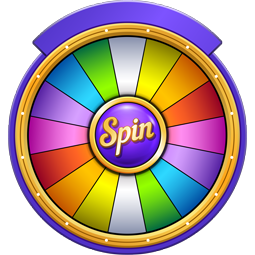
Random soccer club picker featuring the biggest football teams worldwide