

 By Noah Reed
Published
By Noah Reed
Published
Dice Numbers Wheel for Fast Game Decisions
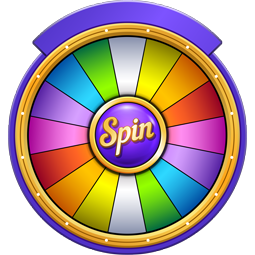
Dice Numbers Wheel is a free online wheel spinner with 24 options, including 1, 4 and 6. Click or tap the wheel and it stops on one random result.
Dice numbers become unpredictable the moment speed replaces a physical roll. In fast rounds, waiting for a real dice slows the rhythm, while a digital spin delivers instant outcomes that keep the energy alive.
Instead of pausing the game flow, the wheel compresses the decision into a single motion. That shift changes how players react, pushing the pace forward without breaking focus.
The tension builds differently here. A quick result lands before hesitation grows, and the match keeps moving.
During intense sessions, hands hover, eyes lock on the next move, and every second matters. That’s where timing becomes the real challenge, not the numbers themselves.
Player reactions when fast spins replace physical dice in matches
When a spin replaces a roll, reactions sharpen instantly. There’s no delay between action and outcome, which changes how players engage with number based challenges that push quick responses in competitive settings.
Some players lean forward, anticipating the result. Others react mid spin, already preparing their next move. That immediacy creates a more dynamic environment where hesitation fades out naturally.
The faster feedback loop also reduces second guessing. Once the result appears, the game continues without pause.
Physical dice rolls compared to digital spinner outcomes in gameplay
Traditional dice introduce a physical pause. Picking it up, rolling, watching it settle each step slows momentum. A digital spinner removes that sequence, making random number draws in rapid game formats feel seamless.
The difference becomes obvious in longer matches. With physical dice, small delays accumulate. With a spinner, outcomes stack quickly, maintaining a steady rhythm throughout the session.
This shift doesn’t reduce fairness. It simply removes friction between decision and action, keeping attention locked on the game itself.
Competitive tension rising when outcomes feel unpredictable in matches
Unpredictability fuels excitement. When outcomes appear instantly, players feel less control over timing, which raises the stakes. That same effect shows up in unexpected game twists that shift the mood instantly during group play.
The unpredictability isn’t about confusion. It’s about intensity. Each spin lands faster than expected, forcing players to adapt without delay.
That constant adjustment keeps the experience engaging. No one settles into a pattern, and every moment feels active.
Game pace acceleration after instant roll decisions remove delays
Game pace changes the entire experience. With dice numbers generated instantly, rounds move forward without interruption, creating a continuous flow.
Faster pacing doesn’t just save time. It changes how players think. Decisions become instinctive rather than calculated, which adds energy to every turn.
That energy builds over time. A quick sequence of results keeps everyone involved, reducing downtime and maintaining focus across the session.
Dice logic core
Behind the scenes, randomness still follows consistent probability patterns. Even when spins feel faster, the distribution remains balanced. Research on binary decision mechanics that remove hesitation loops shows how structured randomness can maintain fairness while accelerating decisions.
This balance matters during long matches. Players trust the system because outcomes don’t drift or skew over time. The speed changes, but the logic stays stable.
That stability is what keeps the tool usable under pressure. It feels quick, but not chaotic.
As rounds continue, the difference becomes clearer. You stop thinking about the tool and start reacting to the game itself. That’s when the rhythm fully takes over.
Moments like this connect individual turns into a continuous flow. The transition feels natural, almost automatic.
Across different play styles, the same pattern emerges. Faster outcomes lead to sharper engagement and fewer interruptions.
In broader gameplay scenarios, this approach connects naturally with random decision systems that support continuous play flow across multiple formats, keeping interaction consistent without slowing momentum.
Trigger your next move instantly in fast rounds
Does this wheel have equal odds for every dice number?
Every dice number has an equal chance of being selected on each spin. All 24 slices are the exact same size, and the wheel picks a result using the browser's cryptographic random generator. With the values 1 through 6 each appearing four times across the wheel, every digit has the same 1 in 6 probability as an ordinary six-sided die.
Why are numbers 1 to 6 repeated multiple times on the wheel?
Repeating the numbers 1 through 6 four times creates a fuller wheel that spins smoothly for quick turns. Having 24 segments balances the visual spin while keeping standard dice probabilities identical across every section. If you want only six slices, you can edit the list next to the wheel to remove duplicates, and the wheel redraws automatically as you type.
Can I change the colours or theme of this dice wheel?
You can customize the wheel colours, theme, spin speed, and spin length directly in the settings. The platform also lets you adjust or disable ticking sounds, win sounds, and lose sounds to match your board game environment. Any adjustments you make update the display immediately, and the tool is completely free to use without requiring you to create an account.
Will this dice wheel work on a phone for group game night?
The dice wheel functions fully in web browsers on phones and tablets, making it easy to pass around a table. A group can use a single shared screen to tap and spin for moves without carrying physical dice. Wheels can also be saved in your browser, and signing in allows you to sync saved wheels across other devices.
More Random wheels you might like
More wheels from the same category. Pick one and spin it in seconds.





Generate one random letter instantly for faster word game rounds