

 By Noah Reed
Published
By Noah Reed
Published
Dance Practice Made Easier by Funny Dance Wheel
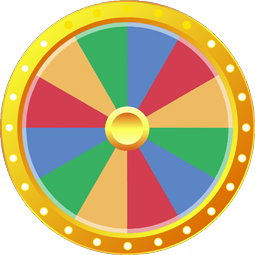
Funny Dance Wheel is a free online wheel spinner with 24 options, including Chicken Dance, Twist and Tap Dance. Click or tap the wheel and it stops on one random result.
Who moves first when the phone is propped on a chair and the music is already waiting? A Funny Dance Wheel cuts through that frozen party circle moment by throwing one silly dance prompt onto the screen.
The hesitation spreads fast. One person laughs, another steps back, and the recording window stays open while everyone waits for someone else to start.
That pause can drain the whole room. The wheel gives the game a clean push: one move, one performer, one short burst before the energy goes flat.
The real snag is not skill. It is being watched before anything has happened. A silly first move breaks the stare down because the group reacts to the prompt instead of judging the person.
Funny Dance Moves for Practice, Parties and Short Videos
Funny dance practice works best when the move is simple enough to try quickly. Chicken Dance creates instant group recognition. Wiggle Move lowers the pressure because nobody expects perfect technique.
For short videos, the move needs a clear visual shape. A camera across the room can catch big arm movements, quick steps, and a clean reaction from the group. Keep it readable. The joke lands faster when the move is obvious.
At a party, the first prompt matters more than the best dancer. If the group wants the same energy in a longer format, a dance challenge wheel for party rounds can stretch the moment into turn based play without making the first volunteer carry everything.
Spin a Move Like Robot Step, Floss or Macarena
Some moves work because they give the body a clear instruction. Robot Step makes the performer stiff and playful. Floss gives the group something recognizable. Macarena gives everyone an easy rhythm to copy if the circle joins in.
This is where the Funny Dance Wheel keeps the game moving. The performer does not have to invent a move while everyone watches. The result appears, the music starts, and the room has something specific to react to.
Music choice can change the whole mood. A funny song wheel for matching music helps when the group wants the track to be part of the joke, especially before filming a quick take.
The Chosen Move Becomes the Next Performance Prompt
The move should become the next action, not another discussion. Once the wheel lands, the performer gets a short window to try it, exaggerate it, and finish before the moment feels too serious.
That timing protects the fun. A long pause lets people rethink the move. A fast start lets the first laugh do the work.
The prompt also gives shy dancers a cover. They are not saying, “Watch my best move.” They are saying, “This is what the wheel gave me.” That small difference makes the room feel easier to enter.
Keep Physical Space Safe for Spins, Hops and Worm Moves
Fast games still need a quick floor check. Penguin Hop needs room around the performer. The Worm should only happen if the floor is clear, clean, and comfortable enough for that movement.
Spins and hops get messy near chairs, bags, or low tables. Move one object before the music starts. The game stays fun when nobody has to pull back halfway through a move.
For groups building more than one spinner, the broader wheel collection for movement games can support different rounds while the same safety habit stays in place. Space first, then the laugh.
The Dance Choice Works Because It Removes the First Flinch
The core value is not perfect choreography. It is action bias. A visible random dance move picker takes the first decision away from the nervous circle and turns it into a shared prompt.
That shift matters when performance anxiety is hanging in the room. The performer gets a playful assignment, the group gets a reason to cheer, and the recording can begin before coordination fatigue kills the idea.
The same rhythm can work beyond dance practice. Use one wheel for moves, another for songs, and another for who goes next if the party circle keeps waiting for a volunteer.
When the group needs another quick prompt, you can spin the wheel and keep the energy moving without rebuilding the game from scratch. The best rounds feel loose, quick, and safe enough for everyone to try.
Try one funny move before filming today
Which easy moves are on the funny dance wheel?
The wheel includes 24 party moves such as the Macarena, Chicken Dance, Floss, Twist, and Jazz Hands. When someone is reluctant to step into a dance circle, spinning the wheel selects a move instantly. You can edit the list next to the wheel to add your own moves or remove any you do not want.
What silly dance moves can I use to break the ice at a party?
You can use classic silly dances like the Robot Step, Shopping Cart, Sprinkler, and Penguin Hop to get people moving. If you want everyone to get a unique turn without repeats, turn on the option that removes each winner from the wheel after it is picked.
Can I upload my own dance list from an Excel or CSV file?
You can import dance lists directly from .xlsx, .xls, .ods, .csv, or .txt files. When you upload your spreadsheet, the tool lets you select the specific sheet and column containing your moves. The wheel updates immediately, and you can edit or rearrange the list right next to the wheel afterwards.
Does every dance move have an equal chance of winning?
Every dance move on the wheel has the exact same chance of being selected. All slices are identical in size, and the winning move is determined using your browser's cryptographic random number generator. Neither party favorites like the Moonwalk nor novelty steps like the T Rex Move are favored over others.
More Random wheels you might like
More wheels from the same category. Pick one and spin it in seconds.