

 By Noah Reed
Published
By Noah Reed
Published
Team Colors Wheel for New Squad Agreement
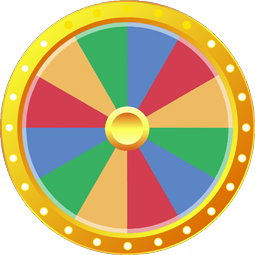
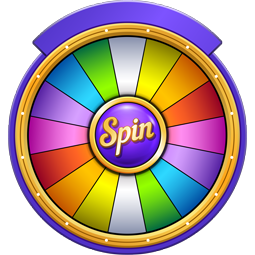
Team Color Wheel is a free spinner listing 21 options — Red, Teal and Copper among them. Tap once and the pointer picks one at random.
Jersey mockups are spread across the practice bench, and team colors suddenly feel bigger than fabric. You are not just picking a shade; you are trying to make players, coaches, and the whole group feel like the choice belongs to them.
The hard part starts when every option carries a different meaning. Red feels loud, Navy feels steady, Gold feels proud, and nobody wants the final call to look like one person won the argument.
A wheel can lower the pressure without removing the group from the decision. It gives the team one neutral starting point, so the discussion shifts from defending favorites to shaping a shared identity.
Team Color Choices for Jerseys, Logos, Identity, and Group Agreement
A uniform color is public. It sits on the jersey, shows up in photos, lands on the logo, and becomes the first thing people remember about the team. That is why the choice can feel personal even when the group is trying to stay practical.
Using a team colors wheel gives the room a fair signal before the debate gets too heavy. If the result is Blue, the team can talk about what Blue would communicate on the field instead of circling around every possible preference.
Some groups want an older, throwback look rather than a fresh sports identity, and retro color inspiration can help when the bench discussion starts leaning toward classic uniforms and vintage logo ideas.
Using the Team Colors Wheel When Opinions Clash During Setup
Color arguments can turn quiet fast. One player wants Black because it feels strong. Another wants White because it looks clean. A coach may care more about visibility, printing, or whether the color works across every jersey size.
The wheel does not pretend every opinion disappears. It gives everyone something shared to react to, which really helps when people feel too nervous to speak up or worry what others think. Put the result in the middle. Let the team respond to it together.
If the discussion needs a separate group activity after the palette is settled, team challenge ideas can keep the same shared energy without turning the color decision into another long meeting.
Balancing Bold Shades, Neutral Tones, and Classic Sports Palettes
A strong team palette usually needs balance. Gold can add confidence, but it may need a calmer partner. Navy can anchor a logo, but it may need contrast so the jersey does not feel flat from a distance.
This is where the selected color becomes a starting point, not the whole identity. If the wheel lands on Teal, the team can ask whether the shade should lead the uniform, support the logo, or work as an accent. That keeps the choice flexible while still respecting the spin.
A more polished or premium look may call for richer combinations, and luxury palette options can support that direction when the team wants the uniform to feel sharp rather than playful.
Turning the Selected Color Into a Shared Team Identity Decision
The result matters most after the spin. A color becomes real when the group connects it to the team name, the way the jersey looks in motion, and the feeling players want when they line up together.
A team colors result should invite a short team check: does this look like us, can we wear it proudly and does it give coaches and players a fair reason to move forward? That keeps the decision from becoming random in the wrong way.
Let the color become a shared reference point. Once the group can talk about the same result, the pressure drops and the identity starts to form.
Make the palette feel like everyone had a place in it.
The core value here is agreement. The wheel helps because it gives the team a neutral signal during a moment that can easily become personal, especially when players are trying to protect their own taste while still respecting the group.
For yes or no style moments around approval, a yes or no wheel for team choices can help with simpler decisions, but color selection needs more room. The result should open discussion, not shut it down.
Once the team has a color to react to, the conversation gets easier to manage. Coaches can ask what the shade says about the group, players can test how it feels on a mockup, and the final choice starts to feel less like a vote and more like a shared identity.
Teams using team color selection wheel can keep the process fair while still leaving space for taste, tradition, and group pride. The goal is not to silence opinions. It is to give them one clear place to meet.
Set one team color everyone can rally behind
Which colors work best for dividing into four teams?
High-contrast shades like Red, Royal Blue, Kelly Green, and Gold work best for four distinct groups. Choosing tones from different color families prevents confusion during games or events. You can delete unwanted shades such as Crimson or Sky Blue from the list next to the wheel, and the slices will redraw automatically to show only your selected options.
Can this wheel pick distinct jersey colors like Navy and Royal Blue?
The wheel includes similar shades like Navy and Royal Blue, as well as Charcoal and Black. If your teams need sharper contrast, remove one of the conflicting colors from the entry list before spinning. You can also turn on the option that removes each winner after a spin so no color is drawn twice.
How do I paste my own list of team colors at once?
Switch to Text Mode next to the wheel to paste your entire color list at once. Add each color on its own line, and the wheel will update immediately without needing to type entries one by one. You can also import files directly from spreadsheet formats like .csv or .xlsx and choose your specific column.
What should I do if a team dislikes the color selected?
You can simply spin the wheel again if your group agrees to a redraw. If certain shades like Neon Green or Maroon are unwanted from the start, delete them from the entry list beside the wheel before you begin. All slices remain equal in size, and outcomes are determined by the browser cryptographic random generator.
More Random wheels you might like
More wheels from the same category. Pick one and spin it in seconds.




Open fridge hesitation turns into one dinner idea worth testing