

 By Lily Parker
Published
By Lily Parker
Published
Outdoor Trip for Nature Travelers
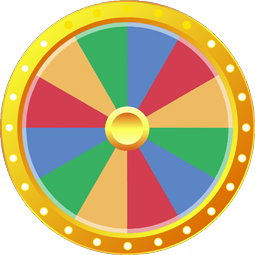
Outdoor Trip Adventure Wheel is an online places wheel built from 25 equally sized segments, among them Mountain Hike, Farm Stay and Pier Walk. Every spin returns a single result.
The car is parked near the trailhead, boots half ready, and the clouds are moving faster than your plan. Outdoor Trip choices sound simple until weather, distance, gear, and daylight all start arguing at once.
The usual advice says to “just get outside.” That is not enough. A short nature escape fails when the idea is too far away, too exposed, too gear heavy, or too late in the day. The wheel helps cut through that pressure without pretending every option fits the moment.
The problem is not a lack of outdoor ideas. It is the pileup at the exact wrong time. One person wants a Mountain Hike, another is worried about mud, and someone else is checking the sky from the passenger seat. The safe window keeps shrinking, so every extra debate costs usable daylight.
A good Outdoor Trip decision needs a tighter frame. Not endless inspiration. Not a heroic plan. Just a workable next move that matches the ground, the forecast, and the people standing there with backpacks they may or may not actually need.
Check Weather and Distance Before the Outdoor Idea Wins
Do not let the prettiest result control the day. A Lake Camp might sound calm, but it becomes a poor match if the road is long and rain is due before sunset. A Forest Walk may look less exciting on paper and still be the smarter call when the group has only a few dry hours.
Distance matters because nature time gets eaten by driving, parking, and regrouping. Weather matters because a light plan can turn heavy fast. The wheel works best when the result is treated as a prompt, then tested against what is actually reachable.
A seasonal filter can help here because some outdoor choices depend heavily on timing. If the forecast is shifting, a season aware adventure option gives you a cleaner way to avoid forcing a plan that belongs to another kind of day.
Keep the boundary tight. Half day plans should feel close, safe, and easy to exit if the sky turns. That is how Outdoor Trip ideas stay relaxing instead of becoming another argument in hiking shoes.
Compare Hikes, Camps, and Walks Without Letting One Voice Take Over
A group can ruin a simple outing by treating every suggestion like a vote on someone’s personality. The cautious hiker is not boring. The person pushing for a Cliff Picnic is not automatically reckless. They are reading the same day through different limits.
The wheel gives the group a neutral starting point. If it lands on Beach Trek, the conversation can move from “who gets their way?” to “does this fit the wind, drive time, and energy we have?” That shift matters. It takes pressure off the people and puts attention back on the plan.
For a broader route conversation, an adventure travel guide spin can support the same kind of comparison when the group is choosing between a more active route and a calmer outdoor stop.
One result does not need to win untouched. It can be adjusted. A Trail Run result might become a brisk path walk if the ground is slick, and a Park Camp idea might become a short picnic stop if the schedule is thin.
Turn the Selected Nature Idea Into a Reachable Half Day Plan
The strongest result is the one you can actually complete. A Meadow Rest can be perfect if the group is tired, the drive is short, and the goal is fresh air rather than mileage. That is not settling. That is choosing the version of nature the day can support.
Map the idea quickly. Start with travel time, then parking, daylight, basic gear, and exit options. If any part feels fragile, shrink the plan before you leave. The cleanest outdoor decisions are usually made before the trail gets muddy.
For people who still want a wider trip frame, a random trip adventure route can help connect a nature result to a broader day plan without turning a simple escape into a complicated itinerary.
This is where the wheel earns its place. It does not replace judgment. It gives the first move, then lets real conditions shape the final version.
Keep Backup Choices Ready for Rain, Weak Gear, or Tight Time
A backup is not a failure plan. It is the reason the outing still happens when the first result stops making sense. If the wheel points toward a Mountain Hike and the clouds drop low, the better move may be a shorter Forest Walk or a sheltered park path.
Weak gear should change the plan immediately. Light shoes, thin jackets, low phone battery, or no map should push the group toward lower exposure. No outdoor idea is good enough to ignore obvious limits.
Being rushed matters just as much. A late start can turn a scenic plan into a rushed one, and rushed nature rarely feels restorative. The better result is the one that lets everyone return before the day becomes tense.
Make the backup visible early. Once everyone knows there is a safe second option, the first result feels less risky and the group stops clinging to a plan that may already be slipping away.
Build an Outdoor Engine That Reacts to the Day
The best use of the wheel is not one spin and blind obedience. Treat it like a small outdoor engine: result, reality check, adjustment, backup. This keeps things moving without ignoring the weather, how much time you have, driving distance, and the gear sitting in your back seat.
Tools such as AllTrails can help confirm trail distance, recent route notes, and elevation before the group commits. The wheel handles the first direction; a random wheel can also support broader selection moments when you need a neutral way to narrow choices before checking the real world details.
This method works because it refuses the fantasy version of planning. Outdoor Trip decisions are not made in perfect conditions. They happen beside a road, under moving clouds, with people trying to stay reasonable while the day keeps changing.
A simple spin can also sit inside a wider habit of playful planning. On spin the wheel for outdoor trips, the value is not only the random result; it is the push that gets a stalled group out of debate and back into motion.
Use the result as a cue, not a command. Let the forecast trim it. Let distance reshape it. Let the group’s real energy decide how far the idea should go.
Start with nearby trails before rain changes plans
What outdoor trip works best if it starts raining?
Options like Forest Walk, Pine Forest, and Cave Explore provide tree cover or sheltered environments when weather turns wet. You can use the wheel to choose quick alternatives to exposed trips like Mountain Hike. If you want to eliminate spent choices after spinning, turn on the option that removes each winner from the list.
Which activities on this wheel are suitable for hot sunny days?
Waterfront destinations like Beach Trek, River Walk, Lake Camp, and Stream Hike work well during warmer conditions. You can spin between these to pick a cool spot for the afternoon. If you want to focus only on waterside outings, edit the list next to the wheel to keep those choices, and the wheel will redraw instantly.
How do I embed this adventure picker wheel on my outdoor blog?
You can embed this wheel on your site by grabbing the code from the /embed page. The embedded picker works on desktop, phones, and tablets without requiring your visitors to create an account. Slices stay equally sized, and each spin runs through the browser's cryptographic random generator directly inside your page layout.
Can I adapt this wheel for indoor rainy day alternatives?
You can replace these outdoor entries with indoor activities by pasting a new list into Text Mode. Enter museums, indoor climbing, or cafes, with one entry per line, or import a spreadsheet file (.csv, .xlsx, or .txt). The wheel accepts any number of items and automatically redraws, letting you switch from nature treks to shelter plans immediately.
More Places wheels you might like
More wheels from the same category. Pick one and spin it in seconds.

Break location indecision and move with one clear destination choice


Pick one world region before travel ideas scatter everywhere
Pick one weekend activity before chores scatter your Saturday