

 By Lily Parker
Published
By Lily Parker
Published
Using Cheap Eats to Filter Nearby Budget Stops
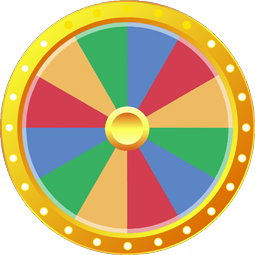
Cheap Eats Finder Wheel is a free random picker that holds 27 options such as Street Food, Soup Stand and Corner Cafe. One spin lands on exactly one of them — no signup and no download.
A cheap lunch is not cheap if finding it burns half the break. After an errand, your phone flashes a low battery warning while two nearby stalls compete for attention. One has a moving line; the other looks cheaper but almost empty.
Cheap Eats should make that moment smaller, not send you back into a broad restaurant search. Spin for a low cost food lane, then keep only results that pass a few visible checks: acceptable price, short detour, manageable wait and enough turnover or cleanliness cues to feel worth a closer look.
The reward is a usable stop in a few minutes. If the wheel points to Street Food, you are not committing to the first stall you see. You are choosing the lane first, then testing the exact seller against the limits of this break.
Pick a Low Cost Food Lane After a Turnover Check
Start with the result, then look at what is happening in front of you. A Food Truck with a clear menu, an orderly serving area, and steady turnover gives you more useful information than a low price alone. Visible cues cannot guarantee food safety, but they can help you reject a stop that looks poorly managed or unclear.
The same applies to a Taco Stand. If ingredients look exposed, surfaces appear neglected, or service seems unusually inactive, keep the food lane and move to another seller. The wheel has already saved you from reopening every cuisine option; the hygiene check decides whether this particular stop deserves the next minute.
When errands run later than expected, late night budget food options can narrow the field by opening hours after the low cost lane is clear. Availability matters, but it should not replace the turnover and basic hygiene check.
Give Cheap Eats a Price, Distance, and Wait Gate
Set the numbers before hunger makes every nearby sign look acceptable. Choose a maximum spend, a walking detour you can absorb, and a queue time that still leaves room to eat. A Noodle Bar that costs slightly more can beat a cheaper stop if it is two minutes away and serving immediately.
Price works only as part of the trio. A Pizza Slice may sit under your spend cap, but a long detour can turn the saving into lost break time. In the other direction, the nearest option is not a bargain if its queue pushes the meal beyond the window you actually have.
The same discipline can matter beyond lunch. If keeping daily food costs low is part of a larger trip budget, low cost travel country ideas extend the value question to destination planning without changing this page's immediate job protecting today's money and minutes.
Fit the Budget Stop to the Break You Actually Have
A fifteen minute lunch gap needs a different winner from an evening errand. A Deli Shop can work when you need something ready to carry, while a Night Market makes more sense when the schedule is looser and you can walk past several vendors before committing.
Use the situation as a final fit check. During a work break, favor short walking time and a predictable queue. Between errands, a small detour may be fine if service is quick. Late in the day, opening hours and visible activity become more important because a cheap stop is useless if it is closing.
If the low cost lane is right but you want a better read on neighborhood habits, local everyday food patterns can add context such as where steady local traffic tends to gather. For other small random choice tasks, the broader wheel collection keeps that quick pick format available without turning this meal check into a general restaurant hunt.
Swap the Exact Stop Without Restarting the Search
A failed seller does not always mean a failed result. If the wheel gives you Budget Diner and the first place exceeds your wait limit, keep the lane and look for another nearby budget diner rather than reopening every restaurant category. That preserves the speed benefit of the spin.
Reroll only when the lane itself cannot satisfy the moment. If every seller in that lane is outside the spend cap, too far away, closed, or giving you poor visible hygiene signals, a new wheel result is more efficient than forcing the original one to work.
Let four checks decide whether the stop survives
Write down four gates: spend cap, maximum detour, maximum queue and basic turnover or hygiene confidence. A result that clears all four is ready to use. If only the exact seller fails, label it swap stop and keep the lane. If the whole lane fails two or more hard limits, label it reroll lane and spin again.
When all practical checks pass but one low stakes preference still feels unresolved, the online yes or no picker can close that final binary choice. It should never substitute for checking price, time, or visible food handling concerns.
The next Cheap Eats result should feel lighter because the test stays the same. A digital wheel spinner can provide the fresh lane, while your four gates keep the outcome tied to the same budget and time limits instead of restarting from zero.
That is the practical win: one food lane, one quick filter and one stop that earns its place in a packed day. Saving a few dollars matters more when the meal also fits the minutes you actually have.
Take the first low cost stop that clears the four checks
What cheap meal options are included on this wheel?
The wheel features 27 low-cost dining categories including Taco Stand, Noodle Bar, Kebab Shop, Falafel Stand, and Food Truck. You can spin to pick an affordable meal format quickly. If you prefer specific local venues instead of categories, you can edit the list next to the wheel or paste your own food spots directly into Text Mode.
Can I customize the cheap food choices on the wheel?
You can freely add, delete, or change any options in the list next to the wheel. If you only want quick bites like Pizza Slice, Bakery, or Hot Dog Van, you can remove formats like Budget Diner or Canteen. The wheel updates immediately as you type, and all slices remain equal in size.
How do I stop a winning food option from repeating?
You can turn on the option that removes each winner from the wheel after a spin. If the wheel lands on Dumpling Bar or Rice Bowl, that entry will not appear on subsequent spins. This is helpful if you want to eliminate options you have already visited recently or narrow down meals across several rounds.
Does the cheap eats wheel work on a mobile phone?
The wheel runs directly in mobile and tablet web browsers without downloading an app or creating an account. You can open the page on your phone while walking to choose among places like Soup Stand or Wrap Shop. The browser uses cryptographic random generation to pick a slice, ensuring fair results on any device.
More Places wheels you might like
More wheels from the same category. Pick one and spin it in seconds.


Break location indecision and move with one clear destination choice

Pick one world region before travel ideas scatter everywhere
Pick one weekend activity before chores scatter your Saturday