

 By Maya Brooks
Published
By Maya Brooks
Published
Mystery Challenge Wheel That Reveals the Task Before the Timer
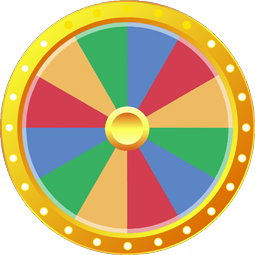
Mystery Challenge Wheel is an online games wheel built from 23 equally sized segments, among them Jump 10, High Five and Blink 10x. Every spin returns a single result.
A Mystery Challenge Wheel works best when the task appears while the timer is still frozen. In a living room with kids and cousins watching the screen, that paused second gives everyone the same reveal before anyone moves.
The fun comes from not knowing whether the screen will land on Clap 5x, Funny Face, Robot Walk, or Air Guitar. The clock has not started yet, so the surprise gets its own beat. Then the group can commit to the result and start together.
Trouble starts if the countdown is already running while the result is being read. One cousin may begin early, someone else may notice there is not enough floor space, and a third person may ask for a different task after precious seconds are gone. The reveal stops feeling like a clean game moment because the round has started before the group has accepted what actually appeared.
Keep the clock stopped. The reveal should be settled first, with one clear rule for the rare result that does not fit the room.
Use Tasks That Make Sense the Moment They Appear
A hidden result needs to be understood at a glance. Jump 10, Dance 5s, Touch Toes, Say a Pun, and Blink 10x work because the player can begin without asking what the task means. Short prompts also leave room for the reveal itself to feel important instead of burying the moment under instructions.
Keep each result specific enough to perform once. Whisper a Word is clearer than a vague whisper prompt, while No Blink 10s and Freeze Pose 20s define an obvious finish. If the group wants the same reveal suspense with sound as the main outcome, a mystery instrument sound round shifts the moment into a different kind of game without changing this page's timer first role.
Keep the Countdown Paused Until the Reveal Is Clear
Spin first, let the pointer settle, and read the result aloud while the timer remains paused. That order matters because the hidden task gets one clean reveal and every player hears the same thing before the round begins. It also keeps quick tasks such as Clap 5x or Bark Once from being half finished while someone is still explaining the result.
Make the reveal count. Once the task is visible, give the player a brief moment to understand it, apply the pre timer check, and either lock it or use the single redraw rule. Only a locked result starts the countdown.
Check Space, Noise and Comfort Before Time Starts
The check happens after the reveal, not during the countdown. Look at three things: whether the room has enough space, whether the noise level fits the moment and whether the player is comfortable doing the task. A loud Meow Loudly result may be fine in one living room and wrong beside a sleeping sibling; a movement prompt needs clear floor before anyone starts.
The redraw rule should be declared before the first spin: one redraw is allowed only when the revealed task does not fit space, noise, or comfort, and only while the timer is paused. That timing separates this format from a broader mystery game idea wheel, where the result can open a longer activity instead of a tightly bounded round.
A surprise challenge group round can also keep the room playful, but this wheel uses a narrower agreement: reveal one hidden task, check it once, then lock the accepted result before the clock moves.
Lock the Result, Run One Minute, and End the Round
After the result is locked, start the one minute countdown and treat that spin as final. There is no second vote and no swap because another task looks funnier. The group already had its chance to check the reveal while the timer was stopped.
The minute is an outer boundary, not a reason to stretch every prompt. Dance 5s ends after five seconds. Freeze Pose 20s ends after twenty. A task without a written duration can continue only until the countdown reaches zero. End the round on the beep, reset the timer, and spin again only after the previous result is finished.
Use a Reveal Lock Before the Countdown
The Mystery Challenge Wheel becomes more distinctive when every spin passes through the same Reveal Lock. The inputs are simple: the hidden result, the available room space, the acceptable noise level, the player's comfort, and whether the one redraw has already been used. The group checks those inputs while the timer is still paused.
A result that fits becomes Ready. A blocked result becomes Redraw if the single redraw is still available. The replacement is checked once, then becomes Locked when it fits; there is no chain of substitutions. A visible random challenge picker supplies the neutral result, while the Reveal Lock controls the timing around it. The final action is always the same: start the countdown only after Locked.
This rhythm also works when the same group uses other wheels later in the evening. A general purpose wheel spinner can handle broader choices, while this page keeps its special rule set for hidden one minute tasks. The difference is not simply what the wheel selects; it is when the result becomes official.
That makes the game easy to repeat. Pause, reveal, check, lock, run the clock, finish. The cousins know when they can object, when the choice is final, and when the next spin is allowed.
Reveal one hidden task, lock it in, and start the one minute countdown.
How do you play living room mystery challenges with this wheel?
Players pause a one-minute timer, spin the wheel, and immediately perform whatever action lands before time resumes. Prompts like Jump 10, Moonwalk 5 Steps, or Meow Loudly make fast, active party prompts. You can turn on the option to remove each winning slice after it is picked, ensuring no one repeats the same task twice during the game.
Can I swap out silly challenges for quiet living room tasks?
You can replace physical actions with quieter tasks by editing the entry list next to the wheel. The wheel redraws as you type, so you can swap out energetic prompts like Star Jump or Air Guitar for calmer options like Whisper a Word or Blink 10x. Text Mode also lets you paste an entire replacement list at once.
How do I change spin duration for the mystery challenge wheel?
Spin length and spin speed can be adjusted directly in the settings panel. If you need rapid rounds to fit inside a short living room timer, decrease the duration so picks resolve in just a couple of seconds. You can also mute the ticking and win sounds if you prefer completely silent reveals between your activities.
What is a good way to adapt this wheel for a classroom?
This wheel easily adapts into a classroom brain-break wheel by tailoring the prompts to school desks. You can keep desk-friendly actions like Shoulder Roll 3x or Hands on Head 10s while adding educational trivia or stretching tasks. Teachers can import an existing prompt list from a spreadsheet file such as .csv or .xlsx using the upload feature.
More Games wheels you might like
More wheels from the same category. Pick one and spin it in seconds.


Break repetitive Sims 4 story loops with unexpected narrative direction



Spin random challenge wheel and trigger quick playful home movement