
 By Maya Brooks
Published
By Maya Brooks
Published
Pro Training Wheel Built Around Readiness Checks
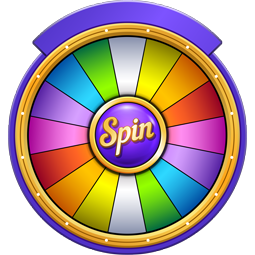
Pro Training Wheel is a free random picker that holds 48 options such as Heavy DL, Chest to Bar and Push Press. One spin lands on exactly one of them — no signup and no download.
An advanced movement is not ready for a session just because it appeared on the wheel. Pro Training Wheel is useful only when the result passes a readiness gate for technique, equipment, fatigue, and supervision.
The whiteboard may show one exciting focus, but the floor still decides what is safe to practise. A coach and athlete need to know whether the selected movement belongs in the block, needs scaling, or should be replaced before load or speed enters the session.
The pressure is real. Back Squat may feel familiar until fatigue changes depth and control. Clean & Jerk may look like the right technical choice until warm up timing, bar speed, and coaching attention are not there yet.
For more training, sport, and movement selectors, the sports wheel category keeps related exercise tools close to the same session planning context.
Use One Advanced Movement as a Technical Focus, Not a Full Workout
The result should name the focus, not write the whole session. If Muscle Up appears, the useful output is a technical review point, a scaled practice path, and a clear stop condition.
That boundary lowers friction. The athlete does not have to turn one result into warm up, volume, loading, conditioning, and accessories all at once. The movement becomes one controlled job inside an existing coached block.
For broader advanced training mixes outside one technical focus, an advanced fitness movement pool can support wider exercise selection while this page stays tied to readiness checks.
The wheel gives the subject. The coach gives the limits.
Classify the Result Before Deciding How to Practise It
Classification comes before execution. Bench Press belongs in a different training category from Turkish Get Up, and Farmer Carry asks for a different readiness check than an Olympic lifting result.
Sort the selected movement as barbell strength, Olympic lifting, gymnastics skill, loaded carry, conditioning, or movement complex. That category changes what must be checked next spotter access, bar path, grip fatigue, landing control, brace quality, or coaching visibility.
A movement feels less overwhelming once its category is named. The result is no longer a random demand; it becomes a specific technical problem to review.
Check Equipment, Supervision, Pain, Fatigue, and Warm Up Readiness
The readiness gate should happen before the working set. Equipment must match the movement, setup must be familiar, and the athlete should be able to move without pain or forced compensation.
If Sled Push appears, space and surface matter. If Power Clean appears, fatigue and bar control matter. If the room cannot support the movement safely, the result should not enter the block as written.
When training has to shift away from advanced equipment toward simpler access, a home fitness access route can help separate practical constraints from technical ambition.
For load based challenges that need a measurable but separate structure, a strength challenge format can handle the challenge side while this page stays focused on movement readiness.
The wider wheel collection for training choices also helps when a coach wants extra selectors for warm up focus, conditioning variety, or session themes.
Set One Cue, One Scale, and One Stop Condition
Before the first serious set, choose one technique cue. Not five. One. A Strict Press cue might focus on rib position, while a loaded carry cue might focus on posture and steady steps.
Then choose the scaled version. That could mean lower load, slower tempo, fewer reps, a simpler range, or a drill that keeps the pattern without forcing the full movement.
The stop condition protects the session. If technique breaks, pain appears, or fatigue changes control, the block moves to the safer version instead of turning effort into risk.
Build a Pro Movement Readiness Card
A useful card records the selected movement, training category, equipment status, coaching or spotter access, warm up response, technique cue, scale option, and stop condition.
For broader random selection outside this advanced readiness process, a random training option picker can handle general exercise choices while this page keeps the result inside a controlled technical review.
The card should make the decision calmer. Practise, scale, substitute, or reject. Each outcome is valid if it keeps the athlete aligned with the training block.
Outside advanced sessions, a wheel tool for exercise choices can support lighter workout decisions, class ideas, or everyday activity picks when a visible result is enough to move planning forward.
The strongest advanced training result is the one that survives the readiness gate before the athlete asks more from it.
Spin once, complete the readiness check, and use the result only as a controlled technique focus or choose a safer alternative.
What advanced barbell exercises are on the Pro Training Wheel?
The wheel features complex lifts such as Clean & Jerk, Snatch Drill, Heavy DL, Back Squat, OH Squat, and Zercher Squat. These movements require established technique and specific warmups before loading. You can edit the list next to the wheel to remove movements you lack equipment for, and the wheel will instantly redraw to display only your selected barbell exercises.
Does this workout wheel include high skill gymnastics movements?
This wheel includes advanced bodyweight drills such as Muscle Up, HSPU, Ring Dip, Rope Climb, and Chest to Bar. These options allow athletes to test gymnastics capacity alongside strength work. If you need to add your own scaled variations, you can type directly into the list or use Text Mode to paste them in all at once.
Can I remove exercises after spinning so they do not repeat?
You can enable an option that automatically removes each winning exercise from the wheel after it is selected. This ensures you do not draw the same movement, like Tire Flip or Box Jump, twice in one workout. As exercises are eliminated, the remaining slices adjust evenly, using the browser's cryptographic random generator for every subsequent pick.
How do I run this training wheel on a phone during gym sessions?
The wheel opens directly in any mobile browser on phones and tablets without requiring an account or app install. You can spin it on the gym floor between sets for solo sessions or pass the device around a group training class. Sound effects like the ticker and win chime can be toggled off if you prefer a quiet gym.
More Sports wheels you might like
More wheels from the same category. Pick one and spin it in seconds.

Random soccer club picker featuring the biggest football teams worldwide