

 By Lily Parker
Published
By Lily Parker
Published
Rock Song Wheel During a Three Track Album Revisit
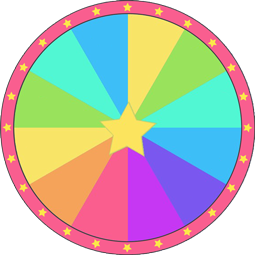
Rock Song Wheel is a free online wheel spinner with 24 options, including Album Opener, Slow Burner and Encore Track. Click or tap the wheel and it stops on one random result.
A late night album revisit can lose its shape when every familiar cover becomes another excuse to browse. A Rock Song Wheel works better when it does not choose a rock subgenre at all. It chooses the role of the first song inside one album you have already decided to reopen.
That makes the session smaller and more deliberate. Album Opener, Deep Cut, Rock Anthem, or Acoustic Track becomes a starting slot, not a new genre lane. The record stays fixed while the wheel changes where you enter it.
The useful question is no longer “what kind of rock am I tonight?” It is “does this album still earn a fourth track?” Three songs are enough to find out without turning nostalgia into another hour of searching.
For broader music and media tools, the entertainment wheel category keeps those other listening decisions outside this album specific revisit.
Choose One Album Before the First Track Role Is Spun
Pick the album first and keep it locked for the whole test. It can be an old favorite, a record you abandoned years ago, or something saved for later. The important part is that the wheel does not send you across artists, decades, or rock subgenres after the session begins.
A Spotify song picker for broader track discovery fits a different task when you want the platform to supply new music. Here, the album is already chosen, so the spin only decides where the revisit starts.
If the result is Title Track, use that track first when the album has one. If it is Hidden Gem or Deep Cut, choose a less obvious song from the same record. The role creates a specific entry point without changing the record itself.
Turn the Result into the First Track Slot
The Rock Song Wheel should produce a song role that can be applied immediately. Album Opener means start at track one. Closing Track sends you to the end. Rock Anthem asks for the album’s biggest chorus driven moment, while Acoustic Track points toward the stripped back song if the record includes one.
This is intentionally narrower than a rock music genre wheel. That page can explore sound families; this one stays inside a single album and changes only the first listening slot.
When a role does not exist on the record, use the closest honest match rather than reopening the spin. A Guitar Solo Track can become the song with the most prominent lead guitar section. A Slow Burner can be the track that takes the longest to unfold.
Stay with the Same Album for Three Tracks
After the selected first song ends, play two more tracks from the same album. Follow the album sequence when practical: if you started on the opener, continue with tracks two and three; if you entered on a deep cut, move forward from that point until three songs have been heard.
A romantic song mood picker belongs to another listening need, so do not use a mood change as an excuse to leave the album halfway through the test. The three track window only works when the record stays fixed.
The wider music wheel collection can wait until the revisit is finished. During these three tracks, do not open a genre search, compare five other albums, or replace a song simply because another cover suddenly looks more familiar.
Decide Continue, Save for Later or Exit After Track Three
When the third song ends, make one closing decision. Continue Album means the record has regained enough momentum to keep playing. Save for Later means something still interests you, but the full revisit belongs to another night. Exit means the album does not need more attention now.
Do not judge the record by reputation or by how important it once felt. Judge this specific revisit. A familiar album can fail the three track test without becoming a bad album, and a forgotten record can earn a fourth song without becoming your new favorite.
The stopping rule matters because it protects the session from nostalgia drift. Three tracks create enough evidence for a real reaction while keeping the night from dissolving into endless cover browsing.
Use a Three Track Album Revisit Card
Write down four things: the album, the wheel selected first track role, the three songs actually played and the decision after song three. The sequence is fixed: Album Locked, First Slot Chosen, Three Tracks Played, then Continue, Save for Later or Exit.
A customizable random wheel can make the first slot choice neutral, but it should not choose a second album or keep rerolling until the result feels familiar. The value comes from hearing one record from an unexpected entry point and then closing the test cleanly.
If the album continues, the wheel is finished for that session. The fourth track belongs to the record, not to another spin.
This approach also works for records you bought years ago but barely remember, anniversary listens, or saved albums that never received a fair second chance. With spin the wheel for music choices, the random part can stay limited to the opening slot while the album itself gets room to speak.
A Rock Song Wheel is most distinct when it helps one album earn or lose the next song. The finish is simple: three tracks heard, one decision made and no new genre lane left open.
Revisit one album for three tracks, then decide whether it earns a fourth.
How do I do a three track album revisit with this wheel?
Spin the wheel three times to pick three distinct types of tracks from your chosen record, such as Album Opener, Deep Cut, or Power Ballad. You can enable the setting that removes each winner from the wheel so no category repeats. Once you draw three tracks, your listening session is complete and you stop.
Which categories work best for picking rock songs from an album?
The wheel includes 24 track archetypes designed to sample different parts of a rock record. Structural entries include Title Track, Closing Track, and Mid Album Track, while stylistic options like Riff Driven Track, Guitar Solo Track, or Acoustic Track highlight specific instruments. Drawing three of these gives a balanced snapshot of the record beyond just the Lead Single.
Can I edit the song categories on the Rock Song Wheel?
You can edit the categories directly in the list next to the wheel, and the wheel redraws as you type. To replace the default tracks quickly, switch to Text Mode and paste your own list with one entry per line. You can also import entries from .csv, .xlsx, or .txt files. There is no fixed limit on entries.
Does every rock song category have an equal chance to be picked?
Every entry on the wheel has the exact same chance of being selected. All slices are sized equally, and the winning slice is determined using your browser's cryptographic random generator on each spin. Whether the pointer stops on Fast Track, Hidden Gem, or Slow Burner, no category receives preference over any other during the draw.
More Entertainment wheels you might like
More wheels from the same category. Pick one and spin it in seconds.