

 By Noah Reed
Published
By Noah Reed
Published
Five Minute Review Made Easier by Quick Study Picker
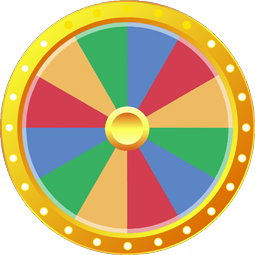
Quick Study Picker Wheel is an online education wheel built from 12 equally sized segments, among them 5 Min Read, Fast Recap and Write 1 Par. Every spin returns a single result.
A hallway break is not an exam revision block. The Quick Study Picker is for a five minute micro review action you can finish before the bell: one small task, one subject and one tiny trace that shows you touched the material.
That difference matters when you are alone on a bench between two packed classes. Opening a full chapter or building a revision plan creates more setup than the gap can support. Flashcards, Define 5, or Ask 1 Q can end cleanly.
The reward is not a score sheet or a completed revision method. It is a small piece of contact with the subject that would otherwise be lost to scrolling.
For other classroom scale tools, an education wheel collection keeps the surrounding choices tied to learning rather than unrelated activities.
Choose One Micro Review Action, Not a Revision Method
Read the result as something you can complete where you are. Flashcards can mean recalling a handful of cards. Skim Text can mean scanning one page for headings and one unclear term. Mind Map can mean drawing three connections around a concept already in your notes.
The Quick Study Picker works best when the activity stays smaller than a formal study method. If classmates arrive and the break becomes social, group study rhythm ideas fit that shared situation better than stretching a solo micro review into a group plan.
Keep the Five Minute Action Low Setup
Low setup means the material is already within reach. Note Review starts from the page you last used. Define 5 starts from marked vocabulary. Short Vid only fits when the clip is brief enough to watch and leave one note before you stand up.
If the real question is which subject deserves attention rather than which action fits the break, study topic selection options solve that broader choice first. This page assumes the subject is already known.
When testing recall is the goal, quick quiz prompts for recall fit better than mixing several micro review formats. Keep the task narrow enough that the bell, not unfinished work, sets the stopping point.
Finish with One Tiny Trace
The Quick Study Picker should leave something smaller than exam style evidence. One corrected flashcard, one definition written from memory, or one question saved for the next class is enough. That tiny trace proves the five minute action happened without turning the break into a revision project.
If Fast Recap appears, write one idea from memory and compare it with the source. If Key Facts appears, retrieve a few facts before looking. If Write 1 Par appears, keep the paragraph about one concept and stop once the explanation is clear.
The tiny trace also makes later study easier. A saved question, corrected card, or tightened definition tells you where to restart without pretending the short break replaced deeper study.
Match the Format to the Attention You Have
Different results demand different attention. Mind Map needs enough focus to see relationships. Key Facts suits clean retrieval. Skim Text works when you can scan structure but do not have the concentration for dense reading.
Do not turn an easy result into a large assignment just to make it feel serious. Make it slightly sharper instead: turn Key Facts into closed note recall or use Note Review to find one sentence you cannot explain without the page.
Use a tiny trace rule for the five minute gap.
Before starting, name the one trace the activity should leave: a corrected card, a written definition, a saved question, a three branch map or one note from a short video. When that trace exists, the action is complete. If you only need a neutral order for equally small tasks, a random wheel for study tasks can handle that secondary decision.
Repeated micro reviews can become part of a normal school rhythm. An interactive online spinner can give each spare gap one compact action while your notebook or Notion page keeps the tiny traces together for later study.
The Quick Study Picker earns its place when the break stays small. You do not need exam night urgency or a full revision routine. You need one five minute action that fits the hallway and leaves a useful mark before you move.
Use five spare minutes for one finished review action before the bell.
What are good 5 minute study tasks between classes?
Five-minute tasks work best when they focus on a single, contained action. Slices like Flashcards, Key Facts, and Define 5 let you test recall immediately without needing to open an entire textbook. If you prefer writing, Write 1 Par or Mind Map lets you summarize what you just learned in the previous lecture before the next one begins.
Which study wheel activity works best for lecture review?
Note Review and Fast Recap work best for reviewing lecture material right after class ends. Note Review lets you scan your fresh notes to underline core points, while Fast Recap challenges you to mentally summarize the lesson. If you need to clarify confusing concepts, landing on Ask 1 Q prompts you to draft a question for your professor.
Can I embed this study wheel on my study blog?
You can embed this wheel on another website by visiting the /embed page. The tool generates an embed code that works on blogs, school portals, or resource pages. Visitors can spin the wheel directly on your page without creating an account, and it functions normally on both mobile phones and desktop browsers.
How do I change this wheel for language learning practice?
You can edit the list next to the wheel to fit vocabulary drills or grammar practice. Type new entries such as Conjugate 3 Verbs or Translate 5 Words directly into the list, or switch to Text Mode to paste a list at once. The wheel redraws as you type, and all slices remain equal in size.
More Education wheels you might like
More wheels from the same category. Pick one and spin it in seconds.

Randomly select a student while keeping classroom participation balanced