

 By Noah Reed
Published
By Noah Reed
Published
Quick Writing Wheel Built Around One Opening Sentence
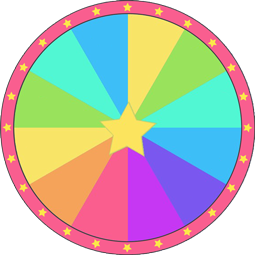
Quick Writing Picker Wheel is a free online wheel spinner with 13 options, including Missed Call, Open Window and Loose Thread. Click or tap the wheel and it stops on one random result.
A first line cue is enough when a blank phone note is the only thing in front of you. The Quick Writing Wheel gives you one concrete detail to turn into an opening sentence, with no outline or paragraph target attached.
Outside a classroom or between meetings, that smaller target matters. You are not promising a full draft; you are giving the blank line an object, sound, or movement it can begin with.
The friction arrives when the note stays empty while the next door is about to open. Vague starts disappear because none gives the sentence anything physical to hold. The Quick Writing Wheel solves that blank note problem with a usable cue instead of a larger writing assignment.
Choose One First Line Cue for the Opening Line
Read the result as material for one sentence. Missed Call can place a phone on a desk, Empty Chair can establish absence without explaining it, and Blue Envelope can give the eye a color and an object immediately.
Keep the first result that produces a concrete noun or visible action. The cue does not need to feel clever; it needs to give the line a handle. If you later want a stranger detail for a larger idea, unusual prompts built from writing gems fit that broader job without changing this one line rule.
Turn the Cue into a Sensory Opening Sentence
Next, attach a sensory verb or physical action. Wet Footsteps can squeak across tile, Flicker Light can pulse over a stairwell, and Wrong Key can scrape against a lock. The cue becomes useful when something can be heard, seen, touched, or moved.
Stop before explaining motives, history, or a full scene. If the opening later grows into a broader premise, creative writing paths for larger ideas can support that expansion, but this picker has already done its job once the sentence exists.
If the gap is meant for study rather than fiction, learning cues for short study gaps use a brief prompt for recall or practice instead of an opening sentence. That keeps the two tasks distinct.
Keep the One Line Goal, Then Choose a Second Line
One opening sentence is the complete result. Read it once and ask a narrower question: would one more line sharpen the image or would it start pulling you into a larger draft?
If the second line only repeats what the first already shows, stop. If it adds one useful reaction, sound, or change, write it and end there. The optional line is an extension, not a new target.
Reroll Only When the Cue Cannot Start a Clear Line
Reroll after one honest attempt only when the result gives you no concrete noun, sensory action, or visible relationship. Do not reroll because the first sentence feels plain. A simple opening still works when it places something specific on the page.
That rule keeps selection from replacing writing. The wider wheel collection can supply other random directions later, but each usable result should earn a line before another spin is considered.
Filter the cue through noun, action, and line.
After the spin, name one concrete noun from the result. Give that noun one sensory verb or physical action, then fit both into a single opening sentence. If all three parts appear, keep the result; if the action is weak, reinterpret once before rerolling.
Only after the opening exists should you decide whether it needs an optional follow up line. A yes or no wheel for writing decisions can handle that secondary choice when you want a stop or continue signal, but it does not replace the first line filter.
Saved openings can become a bank of beginnings without turning every brief gap into a larger commitment. When another blank note appears, you can spin the wheel, apply the same one line rule, and save a sentence for a longer draft later.
The Quick Writing Wheel is strongest when the finish stays visible: one cue, one sensory action, one opening sentence. That is enough to turn an empty note into something worth keeping.
Write one opening sentence from the first usable cue, then add an optional second line only if it helps.
Which writing prompts are included on this wheel?
The wheel contains 13 physical cues like Missed Call, Blue Envelope, Wet Footsteps, and Wrong Key. Spin once to get a focal object or sensory detail, then write your opening scene around it. You can also turn on the option to remove each winner from the wheel so you do not repeat prompts during a writing session.
Can I add my own writing cues to this wheel?
You can add your own cues directly in the text list next to the wheel. As you type new prompts or delete existing ones like Dim Hallway or Distant Siren, the wheel redraws instantly. You can also switch to Text Mode to paste a whole list of prompts at once, with one entry per line.
How can I change the spin speed or duration?
Spin length and speed are adjustable directly in the settings panel. If you want a fast selection between prompts like Loose Thread and Open Window, reduce the spin duration to a few seconds. You can also increase the duration for more suspense, and turn off the ticking or win sounds if you prefer silent writing.
Does every prompt have an equal chance of being picked?
Every prompt on the wheel has an equal probability of winning on each spin. All slices are displayed at the exact same size, and the winning entry is selected using your browser's cryptographic random number generator. Whether the wheel stops on Flicker Light or Single Glove, the result is completely random and fair.
More Education wheels you might like
More wheels from the same category. Pick one and spin it in seconds.

Randomly select a student while keeping classroom participation balanced


Find a classroom ready debate topic before preparation slows down