

 By Lily Parker
Published
By Lily Parker
Published
Rap Song Wheel When Your Commute Needs a Three Stop Listening Slot
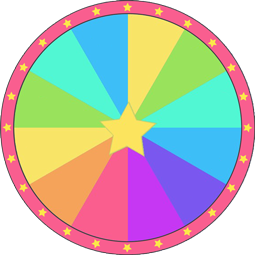
Rap Song Wheel is a free spinner listing 24 options — Fast Flow Rap, High Energy Rap and Classic Rap among them. Tap once and the pointer picks one at random.
A Rap Song Wheel is most useful when the commute has a fixed window, not when it opens another genre rabbit hole. If there are three stops left, the goal is simple: load three rap tracks, test them in order, save one if it earns a place and leave search before the ride ends.
Bus noise and changing attention make that small boundary useful. A track that sounds promising on a quiet platform may disappear once the doors close, while another can cut through the background without demanding that you keep staring at the screen.
The interesting part is discovery inside a limit. You are still giving an unfamiliar track a chance, but the queue has an exit rule from the start. That keeps curiosity moving forward instead of turning every skip into a fresh search.
Set the Commute Slot Before You Spin
Count the remaining stops first. For a three stop test, treat each stop as one listening slot rather than trying to build a full playlist. Then notice the environment: high bus noise favors tracks with a clearer vocal or beat presence, while a quieter ride can support softer or more detailed production.
Attention matters too. If you are standing, changing lines, or watching for your stop, choose a simple test and avoid constant screen checks. The Rap Song Wheel should give the temporary queue a direction without making the commute itself secondary.
If you want a broader music draw before narrowing the ride, a random song picker for playlists can handle that wider discovery step. For this page, the useful boundary starts only when the next few stops define the listening window.
Load Exactly Three Rap Tracks for the Ride
After the spin, search for three tracks that match the result closely enough to test the idea. Fast Flow Rap might lead to three quick vocal tracks. Storytelling Rap should lead to songs where the verse carries a clear narrative. Night Ride Rap can favor a smoother, lower key sound without becoming a regional genre lesson.
Put those three tracks into a temporary queue and stop searching. Do not add seven backups because one thumbnail looks interesting. The queue is a three track experiment, not a new playlist project.
If freshness matters, a trending song discovery wheel can supply a current song direction before you fill the three slots. The commute protocol still stays the same three tracks enter, and no fourth track appears until one is finished or skipped.
Use One Keep or Skip Rule at Each Stop
Give each track enough time to reveal its hook, verse, or overall energy, then make one decision Keep or Skip. Keep means the track stays eligible to be saved at the end of the test. Skip means it leaves the temporary queue and does not trigger a replacement search.
The rule is intentionally small. Heavy Bass Rap may work when road noise is high, while Low Key Rap may fit better once the bus empties out. You do not need to compare their beat architecture or regional history. You only need to notice whether the track fits this listening slot.
Artist curiosity can pull attention away from the queue, so a celebrity based discovery prompt belongs to a separate session. During the commute test, judge the three tracks you already loaded rather than opening another artist branch.
Save One Track and Exit Search Before Your Stop
At the final stop of the test, look only at the tracks marked Keep. Save the strongest one to your normal playlist or library. If none earned a Keep, save nothing. A failed three track test is still complete because it closed without adding more browsing.
If two tracks feel equally good, choose the one you would replay first on the next commute. The rule is about leaving with one concrete discovery, not proving which track is objectively better.
Then clear the temporary queue and close search. The Rap Song Wheel has done its job once one short listening slot produces either a saved track or a clean exit. The next commute can start with a new spin instead of carrying unfinished tabs from this one.
Use a Three Stop Commute Card
The Three Stop Commute Card keeps the mechanism visible. Record four inputs before the spin: stops remaining, noise level, attention level and whether you can safely interact with the phone. Then spin one rap song direction and load exactly three matching tracks.
Mark each track Keep or Skip as the ride moves. A random wheel can make the initial result neutral, but the commute card controls what happens next: no replacement search after a Skip, one saved track at most and search closed before the destination.
This gives curiosity a finish line. You still hear something unfamiliar, but every discovery has a place in the sequence: Load Three, Test Three, Save One, Exit.
The same method can work on a short walk, a train transfer, or a work break when the listening window is limited. With spin the wheel, you can start a fresh rap song direction without turning the whole session into a genre comparison exercise.
A short queue is enough when the goal is discovery rather than collection. One Rap Song Wheel result, three tracks, and one save can give the commute a new sound while leaving the rest of the ride free from search.
Test three rap tracks, save one, and exit search before your stop.
Which rap genres are featured on this wheel?
This wheel features 24 distinct styles covering different moods, tempos, and eras of rap. You will find options like Fast Flow Rap, Heavy Bass Rap, Storytelling Rap, Underground Rap, and Melodic Rap. You can edit the text list beside the wheel to delete subgenres you rarely listen to or paste in your own subgenres using Text Mode.
Can I use this wheel to find workout rap tracks?
You can spin specifically to land on upbeat subgenres suited for high-intensity training. High Energy Rap, Heavy Bass Rap, Fast Flow Rap, and Motivational Rap work well for exercise playlists. If you only want workout styles, remove categories like Chill Rap or Low Key Rap from the side list, and the wheel will automatically redraw as you make changes.
How many entries can you put on this rap wheel?
There is no fixed limit on the number of entries you can put on this wheel. As you add more rap styles, artist names, or song titles, the slice labels become smaller to fit the circle. You can paste an entire custom library into Text Mode at once or import a spreadsheet file such as a CSV or Excel sheet.
What should I do if I do not like the rap result?
You can simply spin the wheel again, or toggle the option to remove each winning slice so unwanted genres do not reappear. If a genre like Experimental Rap or Beat First Rap does not match your mood, you can delete it from the entry list beside the wheel. All remaining slices stay equal in size for the next spin.
More Entertainment wheels you might like
More wheels from the same category. Pick one and spin it in seconds.