

 By Lily Parker
Published
By Lily Parker
Published
Sad Song Wheel Before You Settle Into the Night
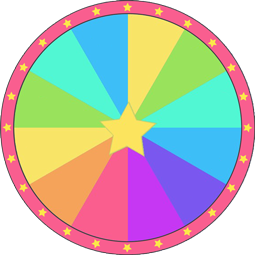
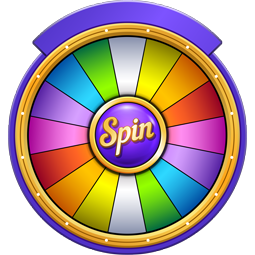
Sad Song Wheel is a free online wheel spinner with 20 options, including Sad Piano, Melancholy and Cold Wind. Click or tap the wheel and it stops on one random result.
Rain taps against your window while the playlist screen keeps glowing, and every preview feels like more effort than it should. A Sad Song wheel gives you one track direction without asking you to search through dozens of albums while your energy is already low.
You are not looking for the most dramatic song available. You want something that recognizes your mood without pulling you deeper into it. The wheel works best as a personal filter one result, one emotional tone, and one chance to notice whether it genuinely fits you tonight.
The difficult part begins after you hear a few seconds of each track. Sad Piano may feel calm but distant, while Heartbreak may sound too intense for the quiet room you are sitting in. You keep moving between previews because none of them seem to describe the exact shade of the evening.
A random result interrupts that search without pretending every low mood is the same. You still control what happens next. The result simply gives you a starting point that is easier to accept, reject, or soften.
Match Rainy Day Moods With the Right Emotional Texture
You can use the atmosphere outside as a simple guide. Rainy Day fits reflective listening, while Blue Mood suits an evening that feels muted rather than openly painful. The difference matters because the right track should sit beside your mood, not overwhelm it.
A result from the wheel gives that feeling a clearer shape. You might recognize that a gentle melody matches you better than a heavy chorus, then let the song play without returning to the search bar. For a broader version of that atmosphere, a wider sad music mix can help when your mood is less specific.
Let the first thirty seconds tell you enough. Your reaction is useful data.
Use the Wheel When Browsing Feels Too Heavy
You may know what kind of emotion you want, yet still feel tired by endless recommendations. The Sad Song wheel replaces that scrolling loop with a single suggestion, which lowers the effort without taking away your judgment.
If the result lands on Sad Piano, you can ask whether quiet reflection feels natural tonight. A more inward listener may keep it, while someone carrying sharper frustration may need a different emotional register. The deeper sad song wheel fits moments when softer choices feel emotionally incomplete.
This is not about forcing yourself to accept the first result. It is about giving your mood one clear option to respond to.
Separate Soft Ballads From Darker Nighttime Tracks
A Soft Ballad often gives you room to breathe because its emotion stays warm and controlled. Solitude feels different quieter, more private, and better suited to a night when you do not want a large dramatic sound filling the room.
Your choice should reflect how close you want the music to sit. A soft track can comfort you from the background, while a darker one may demand more attention. If sadness has shifted into irritation, the angry song wheel may match your actual state more honestly than another slow melody.
Notice the distinction. The best result is the one that feels like you, not the one that sounds most intense.
Turn One Result Into a Quiet Listening Session
Once a result feels right, stop treating it as another sample. Put the phone down, lower the room light, and let the full track establish its own pace. That small commitment changes the experience from searching for a mood into actually listening through it.
You can follow the first song with one or two tracks that share its emotional weight, but keep the session narrow. A long queue may pull you back into browsing, while a short sequence gives the evening a natural boundary.
Stay with the tone that fits. You do not need to intensify it.
Let the result name the mood without controlling it.
The emotional depth of a wheel result matters more than the label alone. One person may hear Heartbreak as honest and relieving, while another may experience the same tone as heavier than necessary. Your response tells you whether to continue, reroll, or move toward something softer.
The tool is also useful when you want a clean contrast before committing. A binary answer picker can support a simple follow up question such as whether the result feels emotionally safe for the rest of your evening.
You can make the process part of a broader listening habit rather than a one night fix. Save results that fit different versions of your low mood, then return to them without rebuilding the playlist from nothing.
For other lightweight entertainment choices, the digital wheel spinner gives you the same simple structure across different themes while still leaving the final judgment with you.
Tonight, match one track to your low mood.
Which sad music styles can I pick on this wheel?
The wheel features twenty melancholic themes and genres, including Sad Piano, Emo Track, Soft Ballad, and Heavy Soul. Instead of browsing endless playlists, a spin picks a specific mood like Rainy Day or Cold Wind. If you want to hear each vibe once, an option removes each winner from the wheel so it cannot be drawn twice.
Can I add specific tracks instead of genres like Blue Mood?
You can replace entries like Blue Mood and Dark Echo with exact track titles by editing the list next to the wheel. The wheel redraws as you type, and Text Mode accepts a whole list pasted in at once. You can also import files like .csv or .xlsx, selecting your preferred sheet and column.
How do I save this sad song wheel for later?
Wheels can be saved directly in your web browser so you can return to your custom playlist session anytime. The tool is free and works without an account, but signing in will sync your saved wheels to other devices like phones and tablets. Your saved entries stay in your browser and are never published online.
Does every entry on the sad song wheel have the same chance?
Every slice on the wheel has the exact same size and identical odds of being selected. The winning result, whether it lands on Melancholy, Tears, or Lost Love, is determined by your browser's cryptographic random generator. Spin speed and duration can also be adjusted in the settings without altering the random probability of any item.
More Entertainment wheels you might like
More wheels from the same category. Pick one and spin it in seconds.