

 By Maya Brooks
Published
By Maya Brooks
Published
Spare Time Finish One Micro Task in Ten Minutes
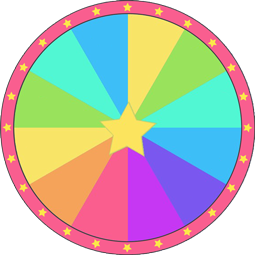
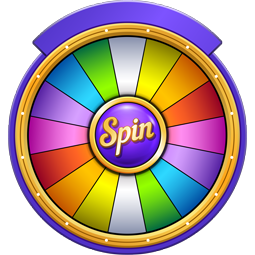
Spare Time Wheel is an online activities wheel built from 24 equally sized segments, among them Read 3 Pages, Hold a 1 Minute Plank and Write 1 Good Thing. Every spin returns a single result.
A calendar reminder shows nine minutes before the next video call. One loose end is still on the desk, and Spare Time is useful only if that loose end can close before the reminder takes over.
This page is not for discovering how to spend a free half hour. It is for five to ten minute tasks with visible proof a count completed, an object changed, or a small record saved.
The problem is interruption certainty. A large task guarantees an unfinished return, while a vague task makes completion impossible to verify. The wheel should nominate only an action that survives a hard stop.
Measure the Time Left Before the Next Commitment
Read the clock before accepting the result. Five minutes requires immediate action and almost no cleanup. Ten minutes permits a little setup, but not a second phase. Read 3 Pages, Water 1 Plant, and Clear 5 Desk Items each show where the finish line sits.
When the loose end is already at home, small household reset tasks can narrow the setting further. Reject anything that depends on a wait, missing materials, or more time than the full action and cleanup require.
Match the Result to Your Current Energy
Low energy favors contained actions such as Delete 10 Photos, Learn 1 Word, or Write 1 Good Thing. Higher energy can support Do 20 Jumping Jacks, Take a 5 Minute Walk, or Stretch for 5 Minutes.
Broader free time activity ideas fit leisure, novelty, or a longer open block. Use this page when the chosen action must end before a scheduled commitment and leave proof behind.
Define Finish Proof Before You Begin
Every accepted result needs proof that can be checked without interpretation. A number works, such as ten photos deleted. A changed object works, such as one shelf dusted. A saved record works, such as one reminder scheduled.
A short timed challenge raises intensity, while this mechanism protects closure. If the task cannot name its proof in one sentence, resize it before starting. “Work on email” stays open; “Archive 5 Emails” closes.
Use the Phone as a Boundary, Not an Escape
The phone may be required for Delete 10 Photos, Send 1 Message, or Schedule 1 Reminder. Open only the needed app, set a timer, and leave unrelated notifications unopened.
For an offline result, keep the timer audible and the screen face down. When it sounds, stop, record the proof, and clear the workspace. The phone receives one role only tool, timer, or proof record.
Use a Micro Task Finish Matrix before acting.
Five minutes with low energy accept a no setup digital or single object task. Five minutes with higher energy use a counted movement that needs no recovery or cleanup.
Ten minutes with low energy allow one contained reading, writing, or planning result. Ten minutes with higher energy allow a movement or desk reset only when cleanup also fits.
Mark the result Ready when the task, proof, and cleanup all fit. Mark it Resize when the same activity can shrink to one count or object. Mark it Skip when it depends on unavailable energy, materials, or another person’s response.
In a shared setting, a random person picker can assign who records the proof without selecting the activity. The micro task still has to pass the same time, energy, and closure test.
Across future short gaps, a quick spin the wheel can surface another bounded action. Keep the rule narrow no leisure discovery, no expanding project, and no result without observable closure.
Spare Time now has one job. It turns a short interval into a documented finish before the calendar pulls attention elsewhere.
Finish one proof based task before the next commitment begins.
What kind of tasks are on the Spare Time Wheel?
The wheel contains 24 short activities that take under ten minutes to complete. Slices include physical micro-habits like Hold a 1 Minute Plank, quick digital cleanups such as Delete 10 Spam Emails, and creative pauses like Draw 1 Doodle. You can turn on the option to remove each winner after spinning so you do not repeat tasks during the same break.
Can I do these micro tasks during short work breaks?
These tasks fit cleanly into short breaks between meetings or study sessions. Every prompt offers concrete completion, whether you Clear 5 Desk Items, Water 1 Plant, or Stretch for 5 Minutes. If you prefer quiet sessions at your desk, you can edit the list next to the wheel to remove physical exercises like Do 20 Jumping Jacks instantly.
How do I embed the Spare Time Wheel on my website?
You can embed this wheel on your blog or website by visiting the /embed page. The embedded version runs directly within your page, lets visitors spin using the browser's cryptographic random generator, and works smoothly on mobile devices and tablets without requiring user accounts or third-party plugins.
Are there ways to modify this wheel for kids or chores?
You can adapt the wheel for household chores or children by updating the entry list. Replace work-friendly tasks like Archive 5 Emails with domestic jobs like feeding a pet or sorting toys. Paste the new items into Text Mode all at once, or import them from a spreadsheet, and the wheel will automatically redraw with equally sized slices.
More Activities wheels you might like
More wheels from the same category. Pick one and spin it in seconds.


Choose a simple free time activity when low energy blocks your next move


Two partner outdoor comfort decides whether to accept, soften, or swap