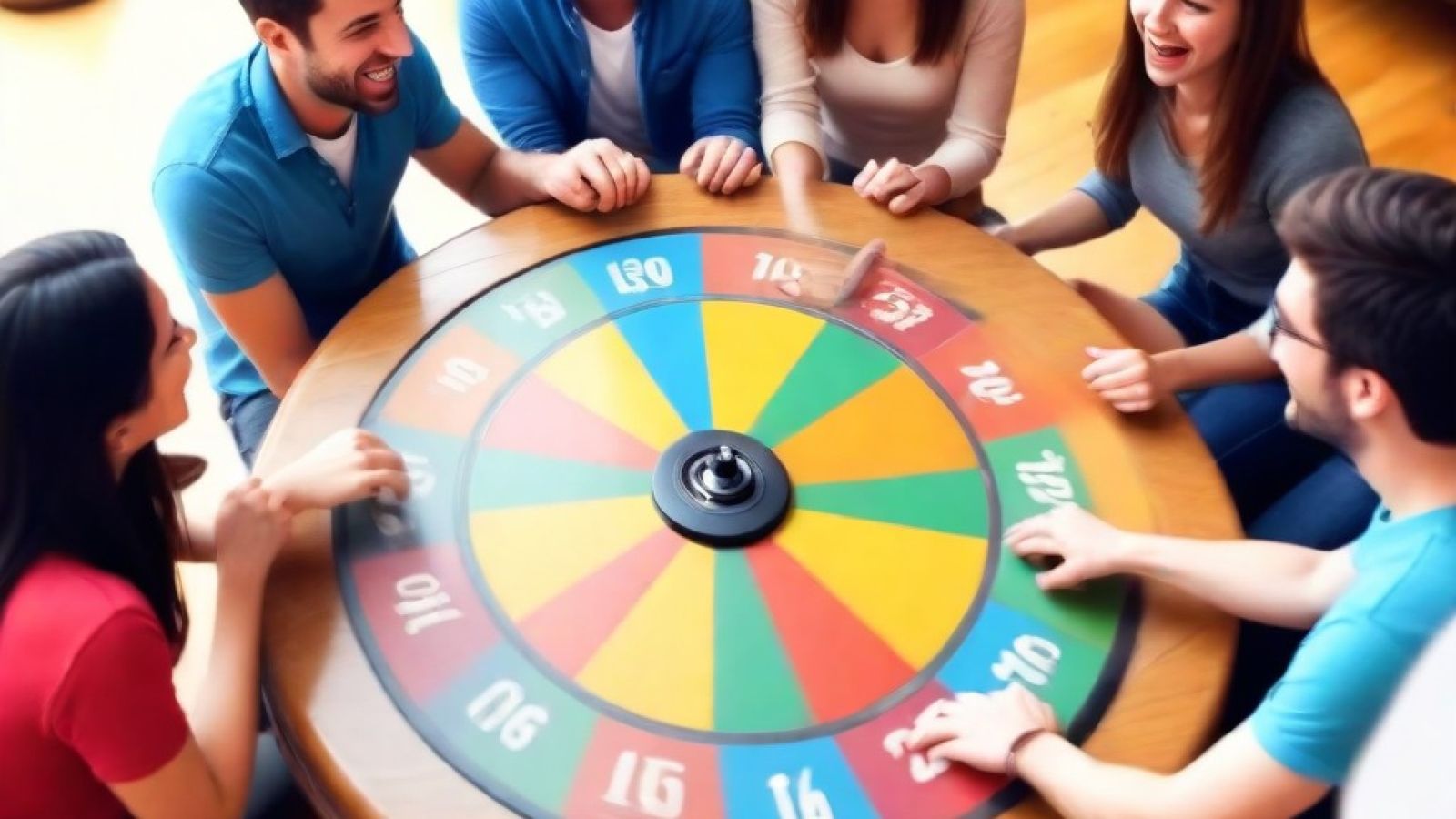

Some parties lose momentum faster than expected. People check their phones, small groups split into separate conversations, and nobody wants to be the person deciding what happens next. A spin wheel changes that atmosphere quickly because the room suddenly focuses on the same moment together.
The effect shows up almost immediately during real gatherings. Someone starts laughing before the wheel even slows down. Another person begins arguing for their favorite outcome while everybody else watches the pointer move across the screen. Even quiet guests usually react once suspense becomes public.
Inside broader interactive entertainment systems built around shared group reactions, spinning mechanics continue working because they create anticipation without needing complicated setup or rules.
Why wheel games instantly improve group energy at parties
Most party games fail because they rely too heavily on planning or forced participation. A wheel game feels lighter. Guests do not need long explanations before the fun starts because the format is already familiar the second the wheel begins spinning.
That simplicity matters during birthdays, casual apartment gatherings, game nights, and even online Discord hangouts where attention disappears quickly. One random spin can suddenly restart the entire room’s energy after conversations begin slowing down.
Party hosts using celebration based spinning systems designed around unpredictable group moments often notice stronger participation because guests focus more on reacting together than competing seriously.
How spinning games help guests interact more naturally
Large gatherings often contain guests who barely know each other. Traditional icebreakers can feel awkward because people recognize the activity as forced social interaction immediately.
A spinning wheel completely takes the pressure off everyone. Instead of asking someone to volunteer first, the wheel creates the next moment naturally. One spin might trigger a fast challenge. Another might create a team activity or a funny storytelling round.
That visible randomness helps conversations form more organically because nobody feels fully responsible for what happens next. The activity itself carries the momentum forward.
Why suspense matters more than the actual prize or challenge
People usually react before the outcome even lands. That is the real reason wheel games survive across so many party formats. The countdown itself becomes entertainment.
During house parties, viewers often start cheering while the pointer moves toward one specific section. Online friend groups react the same way during livestream watch parties or multiplayer game nights because suspense creates emotional involvement before the result appears.
Inside fast binary decision systems that resolve party debates instantly, groups often stay more engaged because the visible spin feels more exciting than continuing another long discussion.
How different age groups use wheel games in completely different ways
Kids usually respond to movement, surprise, and colorful challenge categories first. Adults often enjoy the unpredictability and social reactions surrounding the outcome instead. The same wheel mechanic adapts surprisingly well across both environments.
Birthday parties frequently use wheel systems for prize rounds, dance prompts, mini games, or snack selection moments that keep younger guests involved longer without complicated instructions.
Interactive setups connected to child friendly party activities built around playful surprise moments usually work best when the wheel keeps rotating between movement, teamwork, and light competition.
Party energy usually changes the moment the entire group starts waiting for the same outcome together.
Wheel games also work well because they remove pressure from the host. Instead of constantly organizing every activity manually, the wheel creates transitions naturally between games, music choices, snack breaks, or social challenges throughout the night.
Even lightweight systems tied to interactive wheel formats designed for group participation and random outcomes often keep gatherings moving better because the structure feels spontaneous instead of heavily planned.
The wider ecosystem behind digital spinning systems built for entertainment, social interaction, and live reactions continues growing because wheel based experiences adapt easily to birthdays, livestreams, family events, classroom games, and casual friend gatherings without losing their suspense factor.
The spin matters because anticipation usually becomes more memorable than the final result itself.