

 By Noah Reed
Published
By Noah Reed
Published
Gamer Usernames Under Ranked Lobby Pressure
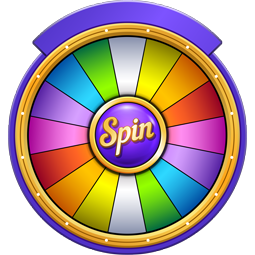
Gamer Usernames Wheel is an online names wheel built from 24 equally sized segments, among them KillZoneX, Rogue and Hunter. Every spin returns a single result.
Your ranked lobby loads, your teammates join voice chat, and your old handle suddenly feels disconnected from the player you have become. Gamer Usernames create an immediate signal before your rank, aim, role, or match history proves anything.
You do not need the loudest result. You need a competitive tag that fits how you play, remains readable on the scoreboard, and carries enough intensity without sounding toxic or immature.
The wrong choice creates friction before the match begins. A forced tag can make a serious profile look temporary, while an overly aggressive result may become uncomfortable on a clan card, stream overlay, or friend list.
The fit should become clearer when the pressure rises. Your handle needs to work during fast callouts, close rounds, rank changes, and public matches without requiring an explanation.
Frame Gamer Usernames Around Ranked Role and Playstyle
Start with the main game and ranked role. An entry player, anchor, support, sniper, flex player, and team leader create different expectations before the first round begins.
Then define the playstyle:
Patient: Holds space, waits for information, and commits carefully.
Aggressive: Creates early pressure and accepts higher risk.
Support: Enables teammates and controls the match through utility or coordination.
Entry: Moves first and forces the opposing team to react.
Flexible: Changes roles according to the map, team, or situation.
Phantom can fit a patient player who prefers controlled movement. Reflex carries a faster reaction signal and may suit an entry role. NoScopeX is more specific it creates a sniper style expectation that should match the way the player actually competes.
Cross platform identity belongs in a broader lane. When the main challenge is trend resistance, signup availability, or choosing one public handle for several platforms, use cool usernames for broader cross platform identity. This page stays focused on permanent competitive tags tested through ranked role, lobby readability, clan fit, and platform safe intensity.
Use One Result as a Competitive Persona Test
Spin once and place the result beside the role and playstyle. The wheel creates a candidate; the match environment decides whether it deserves the profile.
FragLord carries obvious aggression, but it may feel louder than the player’s real presence. Onyx creates a calmer and more polished signal. AimPro makes a performance claim, so the player should be comfortable carrying that expectation after both wins and losses.
Do not keep a result only because it produces a strong first reaction. Ask whether the tag will still feel natural after a bad match, a role change, or several months of ranked play.
If the goal is only a playful name for one match or one voice chat session, fun names for a temporary gaming alias provide the clearer route. A permanent competitive handle needs to survive much longer than a one round joke.
Test the Tag Where Other Players See and Say It
A gamer tag performs differently on each profile surface. In the lobby, it creates the first impression. On the scoreboard, it needs to be readable at a glance. On a clan card, it should sit naturally beside teammates. In voice chat, other players need to pronounce it during a fast callout.
Test four surfaces:
Lobby: Does the tag fit the rank badge and competitive persona?
Scoreboard: Can players distinguish every letter and number quickly?
Voice chat: Can teammates pronounce the name correctly after hearing it once?
Stream overlay: Does it remain clear at a smaller size without awkward spelling?
K0 looks compact but may create confusion between a letter and a number. XP Hunter is easier to understand, although its visible space may not work on every platform. The public test should expose those problems before the profile change becomes permanent.
If visual mood, avatar color, bio style, and profile softness matter more than ranked identity, aesthetic usernames for visual profile alignment keep that decision separate.
Filter Aggressive, Clean, and Platform Safe Intensity
A competitive tag can feel sharp without advertising hostility. Savage, Lethal, Rage, and Bleed carry different aggression levels, while Vortex creates intensity without directly describing toxic player behavior.
Check the name against the rules and culture of the platforms where it will appear. Avoid slurs, harassment signals, impersonation, sexual language, and wording that could trigger moderation or make younger teammates uncomfortable.
Platform safety is not only about avoiding a ban. It also protects the tag’s long term usability. A name that feels amusing during one angry session may become embarrassing after joining a new clan, streaming publicly, or competing with a more serious team.
Taken tag fallbacks should preserve the core identity without creating clutter. Add a meaningful short modifier, adjust the rhythm, or replace one component. Avoid long number strings that damage voice chat and scoreboard clarity.
Complete the Competitive Gamer Tag Card
Selected tag: Record one wheel result.
Main game: Identify the title or game type where the handle will be used most.
Ranked role: Mark entry, anchor, support, sniper, leader, or flexible.
Playstyle: Choose patient, aggressive, support, entry, or flexible.
Profile surface: Test lobby, clan card, stream overlay, and friend list.
Voice chat readability: Ask a teammate to repeat the tag after hearing it once.
Rank badge fit: Check whether the name feels believable beside the current and future rank.
Aggression level: Mark low, controlled, strong, or excessive.
Platform safety check: Confirm that the wording is clean and usable across public gaming spaces.
Taken tag fallback: Prepare one readable alternative without destroying the original identity.
Final status: Keep the result when every surface works, revise it when one clear adjustment solves the problem, or reject it when the tag repeatedly creates mismatch or confusion.
A random wheel can give each shortlisted option a neutral final turn, but the card still decides whether the selected tag belongs on the profile.
Additional formats are available through the name wheel collection and the broader interactive wheel directory.
Good Gamer Usernames leave room for development. The handle should remain believable after a rank increase, role switch, new clan, or first public stream.
When several competitive directions still feel possible, use the online wheel spinner to bring one candidate into the same ranked role and public surface test.
Match tonight’s lobby profile with one sharp tag.
Which gamer usernames on this wheel work best for voice chat?
Short, punchy tags like Onyx, K0, Void, and Reflex work best in voice chat because teammates can call them out instantly. Longer options like FragLord or NoScopeX are recognizable in text lobbies, but one- or two-syllable tags keep communications clear during fast competitive matches. You can remove any tags that feel awkward to say aloud.
Are these gamertags short enough for competitive scoreboard limits?
Most entries on this wheel fit standard scoreboard limits, ranging from three characters like Aim to ten characters like KillZoneX. Competitive games often cap handles at twelve to sixteen characters, so these presets leave room for clan prefixes or team abbreviations. You can edit entries directly in the list next to the wheel to test different lengths.
Can I change how long the username wheel takes to spin?
Spin length and speed are adjustable in the wheel settings if you want quicker draws or more suspense. You can shorten the duration to cycle through tags rapidly while setting up a profile, or extend it when streaming the choice to friends. Ticking sounds and win sounds can also be turned off in the same menu.
How can I adapt this wheel for a clan or squad tag picker?
Switch the entry list to clan prefixes, team roles, or weapon specialities instead of individual gamertags. You can paste a new roster via Text Mode with one entry per line, or import a spreadsheet from .csv or .xlsx. If assigning unique roles to squadmates, enable the option that removes each winner so names cannot be drawn twice.
More Names wheels you might like
More wheels from the same category. Pick one and spin it in seconds.




Compare online business names before launch momentum starts slowing