

 By Maya Brooks
Published
By Maya Brooks
Published
Gaming Challenge Wheel for Harder Runs
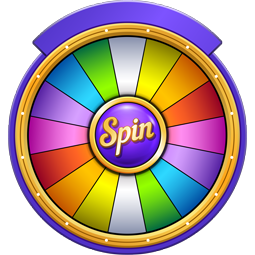
Gaming Challenge Wheel is an online games wheel built from 21 equally sized segments, among them No Healing, No Armor and No Sound. Every spin returns a single result.
The controller has just been passed around after a clean boss fight, and a Gaming Challenge can make the next run feel alive again. Winning too easily feels good for one minute. Then the room starts asking what would happen if the same game finally pushed back.
Do not start another normal run and pretend it will feel different. It will not. If the group already knows the route, the boss pattern, and the safest strategy, the next session needs a rule that changes how everyone plays.
The wheel gives that rule a little drama. Friends can test pride without spending ten minutes arguing over who gets to make the challenge harder.
Assigning No Healing, Pistol Only, or Permadeath Rules Before the Run
Set the restriction before anyone presses start. No Healing changes every mistake into a real cost. Hard Mode raises the pressure without changing the basic goal. Speedrun turns the same level into a clock fight.
A gaming challenge works because the rule lands before the excuses do. Once the group sees the result, the run has a clear shape and everyone knows what counts as success.
For players who want a more unpredictable dare style format, dare challenge game prompts can bring a different kind of group pressure, but this page is built around gameplay restrictions, not personal dares.
Tuning Challenge Difficulty for Solo, Co-op, or Hardcore Sessions
Match the rule to the session. Solo players can handle stricter limits because only one person carries the failure. Co-op players need rules that keep the whole team involved instead of punishing one weaker player every round.
If No Map appears, the group should agree whether teammates can give directions. If No HUD appears, decide whether callouts are allowed. Make the boundary clear before the first argument.
When younger players or mixed skill groups are involved, kid friendly challenge ideas fit better than harsh run restrictions. A good challenge should raise energy, not shut people out.
The Picked Rule Becomes the Next Gameplay Restriction
Once the result appears, treat it as the rule for the next run. No Sound means players rely on visuals. No Sprint changes movement choices. 100% Completion turns the session into a route check instead of a straight finish.
The point is to make the familiar game feel less automatic. A Gaming Challenge adds pressure by removing one comfort, speeding up one goal, or forcing the team to notice details they usually ignore.
For a surprise first approach, mystery challenge wheel ideas can make the reveal feel even sharper, while this setup keeps the restriction tied directly to play style.
Separating Skill Tests From Novelty Limits Like No Sound
Not every restriction tests the same thing. Speedrun tests execution and route memory. No Healing tests caution and reaction time. No Sound tests awareness in a stranger way because players lose audio cues they usually trust.
Sort the result before the run starts. Is it a skill test, a novelty rule, or a teamwork challenge? That quick label helps the group judge the run fairly.
Keep the rule tight. The game should feel harder, not messy.
Make the rule sharp enough to change the run.
The core value is strategy under pressure. The wheel does not replace skill; it creates a fresh condition that makes reaction time, planning, and teamwork matter again.
A wheel of names can choose which player goes first or who takes the next turn, but the gaming restriction needs its own space. Pick the rule separately so the group knows whether the challenge is about the player, the team, or the run itself.
Co-op friends usually know who plays safe, who rushes, and who panics near the end. A challenge rule brings those habits into the open in a playful way. It turns a flat victory lap into a new test without changing the game library.
With build your own challenge wheel, the group can keep the rules fair, adjust the difficulty, and make the next run feel earned. One spin sets the condition; the players still have to prove it.
For more spinner formats after the challenge is done, random wheel game tools can support the next round without changing this run’s restriction.
Tonight’s run starts with one harder rule
What video game challenges are on this wheel?
The wheel contains 21 distinct restrictions, including combat limits like Pistol Only, Bow Only, and Melee Only, along with survival penalties such as No Healing, Permadeath, and Level 1 Run. It also features sensory handicaps like No HUD and No Sound. You can spin to pick a single restriction or turn on the setting that removes winning entries to stack multiple handicaps.
Can you combine multiple challenge run rules together?
You can combine multiple rules by enabling the option to remove each winner from the wheel. For instance, you might spin once to draw No Armor, spin a second time to add Pacifist Run, and keep going until you reach your target difficulty. Because drawn slices disappear, each rule is selected only once, letting you build custom multi-modifier runs.
How to import custom game restrictions from a spreadsheet?
You can import your custom rules directly from a .csv, .xlsx, .xls, or .ods file by selecting the file on your device. Once uploaded, pick the specific sheet and column holding your challenges, and the wheel will instantly redraw with the new entries. Your custom restrictions remain stored within your browser without being published online.
Which wheel variations work best for multiplayer co-op games?
A multiplayer variation works best when entries assign specific handicaps to individual teammates rather than the whole squad. Replace generic solo rules with roles such as Escort Only, No Revives, Support Weapons Only, or Shared Health. You can edit entries directly in the list next to the wheel, and the slices adjust their labels immediately as you type.
More Games wheels you might like
More wheels from the same category. Pick one and spin it in seconds.

Break repetitive Sims 4 story loops with unexpected narrative direction


Spin random challenge wheel and trigger quick playful home movement