

 By Maya Brooks
Published
By Maya Brooks
Published
Weekend Boredom Wheel for Rainy Activity Blocks
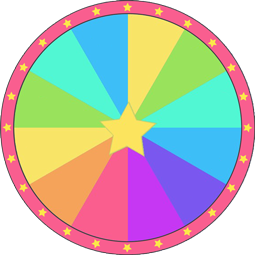
Weekend Boredom Wheel is a free online wheel spinner with 24 options, including Learn Magic, Learn Coding and Sing Karaoke. Click or tap the wheel and it stops on one random result.
The outdoor plan disappears when the forecast changes, leaving Saturday afternoon empty between lunch and evening study time. Weekend Boredom becomes useful when that open space receives a specific activity, duration, and starting hour instead of remaining an undefined part of the weekend.
The result is not simply something to do. It has to fit either Saturday or Sunday, occupy 15, 30, or 60 minutes, and respect the materials, screens, people, and study commitments already shaping the day.
A planned block makes the decision visible. “Try Origami Art sometime” remains an idea. “Origami Art on Saturday from 2:30 to 3:00” becomes a weekend activity that can actually happen.
Choose the Saturday or Sunday Slot First
Look at the weekend before spinning. Saturday may contain more open time but less energy after errands. Sunday may feel calmer, though unfinished homework can create pressure later in the day.
Select one available slot rather than treating the entire weekend as empty. A canceled Saturday outing might leave 60 minutes before dinner, while Sunday may offer only a 15 minute gap between study blocks.
The day changes the suitability of the result. Sing Karaoke may fit a louder Saturday afternoon. Call Family may work better during a quiet Sunday slot when other people are likely to be available.
Set a 15, 30, or 60 Minute Duration
Choose the block length before accepting the activity. This prevents an interesting result from expanding beyond the time you actually have.
A 15 minute block works for Solve Riddle, Meditate, or the opening steps of Organize Files. A 30 minute block can hold one beginner Learn Coding lesson or a short Origami Art project. A 60 minute block gives a DIY Project or creative session enough room for setup and cleanup.
Some activities can be resized. Watch Anime may mean one episode in a 30 minute block rather than an open ended viewing session. The wheel chooses the activity; the duration defines its weekend role.
Check Materials and Screen Mode Before Scheduling
Record whether the result needs paper, craft supplies, cards, an instrument, a quiet room, or internet access. A missing material should trigger a swap rather than leave the time slot unused.
Next, label the activity as screen based or screen free. Learn Coding and Virtual Tour require a device, while Origami Art, Play Guitar, or Make Collage can create an offline block.
If the immediate problem is general boredom at any time of day, without a Saturday or Sunday schedule, use the Boredom Buster Wheel for instant activity relief. Weekend Boredom instead assigns the result to a dated weekend block with a duration, start time, and practical limits.
Choose Solo or Social Mode and Fix the Start Time
Mark the block as solo or social before inviting anyone. A solo activity should remain possible without waiting for replies. A social activity needs a person, group, or family member who can join at the scheduled time.
If you cannot decide how the whole weekend should be divided between errands, rest, outings, and study, weekend plan choices for competing commitments belong in that broader planning lane.
For an indoor session designed mainly around shared fun rather than a student’s personal timetable, indoor activity ideas for shared spaces provide a different outcome.
Write an exact start time. “Saturday afternoon” is still vague; “Saturday at 3:30” creates a commitment. Add the end time at the same moment so the activity does not quietly consume the rest of the day.
Complete a Rainy Weekend Activity Block Card
Record the selected activity and choose Saturday or Sunday. Add the 15, 30, or 60 minute duration, required materials, and screen or screen free mode.
Mark whether the activity is solo or social. Write the start time, end time, and any study boundary that must remain protected. A 30 minute creative block before homework should end when planned even if the project could continue.
Finish with one status schedule, swap, or save. Schedule it when every condition fits. Swap it when materials, noise, people, or screen limits block the result. Save it for another weekend when the idea is good but the current slot is wrong.
The Activities category for focused planning wheels can support other time specific choices, while the complete wheel collection keeps broader tools available.
If the activity fits equally well on both days, a binary decision spinner can answer a final question such as “Schedule this on Saturday?” without rebuilding the complete card.
The strongest result is not necessarily the most exciting activity. It is the one that fits the chosen day, available minutes, materials, screen preference, social setting, and study boundary.
When another rainy slot appears, a wheel tool for weekend activities can supply a fresh candidate for the same scheduling protocol.
Place one rainy day activity into a weekend time block.
What indoor activities are on the weekend boredom wheel?
The wheel contains 24 varied indoor activities for rainy days, spanning creative crafts, learning, and household tasks. Slices include options like Origami Art, Draw Comics, Learn Coding, and Clean Closet. You can remove slices you dislike in the list next to the wheel or turn on the option to remove each winner so an activity is not repeated.
Can I use this wheel to schedule my weekend activity blocks?
You can spin the wheel to select an activity for each time block throughout your weekend. For example, you might spin Build Lego for a morning slot and Meditate or Call Family for the afternoon. If you already have your own schedule ideas, you can edit the text list beside the wheel, and the canvas redraws immediately.
How can I import a spreadsheet of activities into the wheel?
You can upload your file directly using the import option above the entries list. The tool supports .xlsx, .xls, .ods, .csv, and .txt formats, allowing you to select the exact sheet and column to load onto the wheel. Once imported, your custom entries replace the default activities, and the wheel redraws automatically without any limit on list size.
Does every activity on the wheel have an equal chance of winning?
Every entry on the wheel has an equal probability of being selected. All 24 slices, from Learn Magic to Sing Karaoke, are rendered at the exact same size. The winning activity is picked using your browser's cryptographic random generator on every spin. You can also adjust spin duration and rotation speed in the settings without affecting these odds.
More Activities wheels you might like
More wheels from the same category. Pick one and spin it in seconds.



Choose a simple free time activity when low energy blocks your next move