

 By Alex Bennett
Published
By Alex Bennett
Published
Sharper Focus with Brain Boost Activity
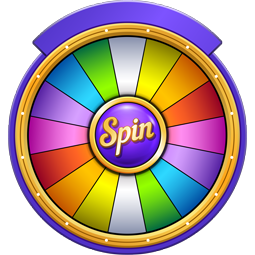
Brain Boost Wheel is a free spinner listing 24 options — Sudoku, Crossword and Plan among them. Tap once and the pointer picks one at random.
You open a puzzle tab beside messy lecture notes, but the assignment still looks flat on the screen. Brain Boost Activity gives you one small mental challenge before study attention slips into another round of rereading without focus.
You are not trying to become a genius in five minutes. You are trying to wake up the part of your attention that can hold a question, test an answer, and return to the work with a little more edge.
The pressure is real because your study block has a clock on it. You may have thirty minutes before class, a half finished essay, or a review sheet that needs one more pass. A small challenge feels useful because it gives your brain a clear starting movement.
Use the wheel as a short bridge, not a distraction. The goal is to sharpen the next focus block and get back to the assignment with your attention more organized.
Mental Focus Activities Built Around Puzzles, Facts, Words, and Logic
You need options that ask your mind to do something specific. Sudoku makes you scan patterns. Crossword turns recall into a word task. Math Quiz gives you a clean problem with a clear finish.
These activities work best when they stay short. You are not replacing study time; you are giving your attention a warm up that feels different from staring at the same notes.
When your focus problem is really low energy, an energy boost activity wheel can help you separate physical tiredness from mental dullness before you choose the next study move.
If your brain feels cluttered because the whole week is messy, a Sunday reset planning wheel may fit a larger routine reset, while this page stays close to the immediate focus problem in front of your notes.
Using the Brain Boost Wheel When Work or Study Attention Drops
You should use the wheel at the first real dip, not after an hour of forcing the same paragraph. If Riddle appears, give it a short attempt. If Logic Test appears, solve one prompt and stop there.
The curiosity matters. You do not know which challenge will appear, so the result creates a small moment of interest before the heavier assignment resumes.
For study days that also need rest, a fresh outdoor social reset can help when your attention needs air and people instead of another desk based drill.
Keep the challenge contained. Let the spark do its job, then return to the work.
Short Cognitive Drills for Memory, Math, Language, and Planning
A strong drill gives you one mental demand. Learn Word works when you want a language nudge. Memory gives your working memory a quick test. Plan helps when the problem is not knowledge but scattered next steps.
Brain Boost Activity should feel like a short switch in mental mode. You ask your brain to solve, recall, arrange, or name something, and that change can make the next study task feel less stale.
Do not stack too many drills. One clean challenge is enough before the boost turns into avoidance.
Turning the Selected Activity Into a Focused Brain Training Block
The selected activity needs a boundary. If Chess Move appears, study one position or make one move. If Read Fact appears, read one focused fact and explain it back to yourself in plain words.
You are building a small loop: trigger, challenge, finish, return. That finish matters because your assignment still needs the main attention.
Brain Boost Activity is most useful when you can feel the block end. A finished puzzle prompt or short recall task gives your mind a completion signal before you move back to notes, questions, or practice problems.
A Brain Training Core That Keeps Curiosity Useful
You get the best result when the challenge is interesting enough to wake attention but small enough to leave quickly. That balance protects your study time from becoming another trail of open tabs.
When several possible focus drills feel equally useful, a random activity picker can provide the neutral first choice while you still control the time limit, difficulty, and return point.
The wheel should not make a claim that one quick task will transform your brain. It should give you a practical way to start thinking actively again when the notes have gone dull.
With a digital spinning wheel, you can turn a tired study pause into one short challenge before returning to assignments. Brain Boost Activity works best when the result creates curiosity, focus, and a clean end point.
Your next study block does not need a dramatic reset. It needs one challenge sharp enough to wake the work back up.
Sharpen the next focus block with one brain challenge
Which activities on the brain boost wheel work best for a study warm-up?
Short tasks like Riddle, Read Fact, or Math Quiz work well because they take only a couple of minutes to complete. Starting with a quick puzzle like Sudoku or a single Chess Move wakes up your attention without consuming study time. If you prefer longer tasks, you can edit the list next to the wheel to keep only specific challenges.
Can I add my own warm-up exercises to this study wheel?
You can add any custom tasks directly in the entry list next to the wheel. As you type new items or remove defaults like Code, Plan, or Language, the wheel redraws instantly. You can also switch to Text Mode to paste in your own study routines all at once, or import lists from spreadsheet files.
How do I turn off the wheel sound while studying in a library?
Open the settings panel to turn off the ticking sound and the winning fanfare individually. You can mute all audio entirely so the wheel spins silently in quiet study spaces or libraries. The settings also let you adjust spin length, rotation speed, and visual themes without affecting the random selection of your warm-up task.
What should I do if the wheel picks an activity I dislike?
Simply spin the wheel again, or delete that specific entry from the list beside the wheel. If you do not want to tackle Crossword or TED Clip today, removing the item updates the wheel instantly. You can also turn on the option that removes each winner automatically so finished or skipped activities cannot be drawn twice.
More Decision wheels you might like
More wheels from the same category. Pick one and spin it in seconds.



Group chat becomes one birthday person first celebration plan