
 By Noah Reed
Published
By Noah Reed
Published
Class Break Wheel for a Two Minute Brain Break
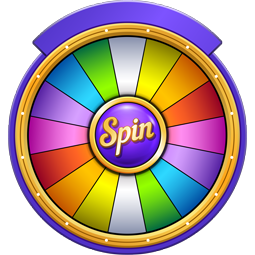
Class Break Boredom Wheel is an online education wheel built from 13 equally sized segments, among them Desk Stretch, Mini Walk and Quiet Count. Every spin returns a single result.
A two minute classroom brain break becomes useful when students start rubbing their eyes, shifting in their seats, or missing instructions near the end of a long worksheet block. The Class Break Wheel selects one micro regulation cue before fatigue spreads across the room.
This page is not for a game, reward, or entertainment round. It briefly changes movement, visual focus, breathing, hydration, or noise level so students can return to the lesson already in progress.
The difference is practical. A fun classroom activity creates a separate participation experience, while a micro break protects lesson continuity with almost no setup.
The teacher still controls the timing, approved options, and re-entry cue. The wheel only helps choose the smallest suitable reset.
Notice the Signals That Call for Regulation
A useful break starts with the condition in front of the teacher. Slumped posture may call for Desk Stretch or Shoulder Roll. Repeated eye rubbing after reading may call for Eye Rest or Window Gaze.
If fatigue appears after school through unfinished assignments instead of during instruction, due tonight homework checkpoints address that separate workload moment.
Restlessness may suit a controlled Mini Walk, while a tense room may need Deep Breath or Quiet Count. Identify the strain first, then select a cue that responds to it.
No game, no teams, no rounds, and no materials are required. That boundary keeps the pause inside the lesson instead of turning it into another classroom event.
Use Micro Regulation, Not a Class Fun Activity
A Two Minute Brain Break Wheel should offer actions that begin immediately and end without a second explanation. Desk Yoga, Wrist Stretch, or Posture Reset changes physical state without introducing scores, winners, or group rules.
A larger classroom challenge activity can support energy and participation at another time. Its intent is play or engagement; a micro break serves attention regulation and lesson re-entry.
Use a simple test. If the option needs props, teams, several rounds, or a long demonstration, it belongs outside this wheel. The reset should finish before students mentally leave the original task.
Match the Break to the Room State
A noisy classroom usually needs less stimulation. Silent Sit, Quiet Count, or Deep Breath can lower the room without framing calm as punishment. Give one neutral instruction and let the silence stay brief.
Teachers planning broader lesson variety can save flexible classroom activity prompts for future teaching moments. They do not need to enter the micro break list.
A physically flat room may respond better to Neck Release, Shoulder Roll, or a beside the desk Mini Walk. After close reading or screen work, Eye Rest or Window Gaze changes visual distance without adding conversation.
The wider collection of classroom wheels can support other routines, while this page remains limited to regulation cues that protect the current lesson.
Run Two Minutes and Re-Enter the Lesson
Announce the selected break, start a visible timer, and avoid offering extra choices after the result appears. Repeated negotiation can consume more attention than the reset restores.
At the end, use one consistent return cue: a countdown, a raised hand, or a short instruction directing students to the next line, question, or material.
The Class Break Wheel works when students can follow that instruction without another transition. If the room still struggles, adjust the lesson pace instead of spinning again immediately.
Use the Two Minute Regulation Loop
First identify whether the room needs movement, visual rest, hydration, breathing, or silence. Then select one matching cue and run it for no more than two minutes.
A random wheel for class break ideas can make the selection neutral, while the teacher controls which approved cues are available and when the class resumes.
Finish with one direct academic instruction. If students begin it without the direction being repeated, the micro regulation loop has succeeded.
Repeated use should preserve the same small structure: one cue, one timer, one stop signal, and one academic re-entry. Predictability keeps the break from expanding.
Teachers can spin the wheel when fatigue becomes visible, then move directly back to instruction instead of creating a separate game.
Use one two minute micro break, then return the class to the next instruction.
Which activities on this wheel help students rest their eyes?
The wheel includes Eye Rest and Window Gaze specifically to give students a break from screens and paper. Along with physical adjustments like Posture Reset and Shoulder Roll, these prompts shift visual focus into the distance. You can set the wheel to remove each drawn activity so your class rotates through different physical and visual pauses across a study day.
How long should classroom breaks like Desk Stretch take?
Most activities on the wheel, such as Desk Stretch, Neck Release, or Water Sip, take between one and two minutes. Short pauses keep classroom momentum without derailing lesson plans. You can adjust the spin duration and sound settings in the controls, or mute ticking and win sounds entirely so the spinner remains quiet while students complete actions like Quiet Count or Silent Sit.
Can I embed the Class Break Boredom Wheel on my teacher blog?
You can embed this wheel on your site by visiting the embed page to generate the code. It functions on any website, blog, or classroom portal, and students can interact with it on phones and tablets without creating an account. Any edits you make in the side list or Text Mode before embedding stay saved locally in your browser session.
What break activities work best for remote office workers?
Remote workers can adapt this wheel for desk-bound workdays by swapping classroom prompts for home office tasks. Keep entries like Wrist Stretch, Posture Reset, and Deep Breath, but add items like quick kitchen tidying, step counts, or outdoor breathing. You can paste a new list directly into Text Mode or import a spreadsheet file to replace the options for a home workspace.
More Education wheels you might like
More wheels from the same category. Pick one and spin it in seconds.

Randomly select a student while keeping classroom participation balanced