

 By Noah Reed
Published
By Noah Reed
Published
Classroom Challenge Wheel Under a One Minute Team Timer
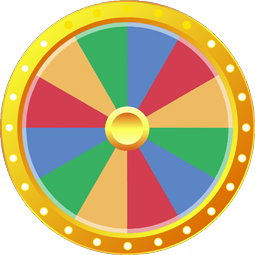
Class Challenge Wheel is a free online wheel spinner with 10 options, including Solve Fast, Memory Sprint and Number Estimate. Click or tap the wheel and it stops on one random result.
Can a mixed ability team earn a clear point in sixty seconds? The Classroom Challenge Wheel turns that question into a one minute mixed team challenge round with a defined task, visible win condition, and rotating roles.
The timer creates urgency, but speed is not the whole game. Students should know what counts as a win before starting, and the Reader, Solver, and Checker should each affect the result. The spin chooses the task; the round rules decide how it is played.
Set One Win Condition Before the Team Round Starts
Give every task one measurable finish line. Solve Fast might require one correct solution, while Diagram Relay could score only when the final diagram includes every required label. One condition keeps the result easy to judge at zero.
If students first need a working format, a class participation mode picker can settle that choice. The 2026 classroom challenge round provides another challenge focused route when a different format is useful.
Match the Timer and Score Threshold to the Task
Not every result needs the same clock. Use 30 seconds for narrow recall, 45 for a short reading or spelling task, and up to 60 for a multi step response. Score completion or accuracy rather than the first voice heard.
Memory Sprint can use a correct item total, while Number Estimate can award the point for the closest valid answer. A visible scoring rule makes the finish clear and reduces arguments after the buzzer.
Rotate Roles So Mixed Ability Teams Can Contribute
Assign a Reader to deliver the prompt, a Solver to lead the response, and a Checker to verify the final answer. Rotate roles after every scored round so one confident student does not own the fastest part of the game.
A short classroom timing plan can keep several rounds inside the lesson, while the classroom wheel collection supports other formats after the timed challenge ends.
Replay Only When One Rule Changes
A replay should create a new test, not repeat an easy win. Shorten the timer, raise the score target, or rotate the roles. If the first round was too simple, the second can require two correct facts instead of one.
Students can then compare scores and see exactly what became harder. Competition stays tied to a rule instead of turning into a vague request for another try.
Use the three control challenge protocol
Choose a 30, 45, or 60 second timer, announce one win condition, and assign Reader, Solver, and Checker before the spin. After the score, rotate the roles. Permit another attempt only when the timer, target, or role rule changes.
If the starting role needs a neutral assignment, a random student name picker can determine who begins as Reader while the Classroom Challenge Wheel continues to control the task.
The result is a compact game with a clear beginning, score, and stopping point. Teams can cheer for a close finish without turning the lesson into an open ended activity session.
When the class wants another scored round, spin the wheel for class challenges and keep the same timer and role rotation so each new task is judged by a rule everyone understands.
Run one scored minute, rotate the roles, and replay only when one rule changes.
What tasks are on the Class Challenge Wheel?
The wheel includes ten quick activities: Solve Fast, Write Short, Speak Now, Diagram Relay, Spell Hard, Memory Sprint, 1 Min Read, Find Facts, Help Peer, and Number Estimate. Each task suits a one-minute scored round with rotating student roles. You can edit or add items directly in the list next to the wheel, which updates automatically as you type.
Which team activities can I run with this wheel?
Teams take turns tackling assigned challenges such as Diagram Relay, Find Facts, or Speak Now within one minute. Assign different roles like speaker, researcher, or sketcher for each spin to keep everyone involved. To prevent repeating a task during a class session, you can enable the option that automatically removes each winning challenge from the wheel after it is selected.
Can I embed this challenge wheel into my classroom blog?
You can embed this wheel on any classroom website or blog by visiting the /embed page. The embedded picker functions smoothly across phones, tablets, and desktop computers without requiring an account. You can also customize colours, themes, spin length, and speed, or turn off ticking and win sounds before adding the wheel to your educational site.
Does each challenge have an equal chance of being chosen?
Every entry on the wheel has the exact same probability of being chosen on any spin. All slices are displayed with equal size, and the winner is determined using your browser's built-in cryptographic random generator. This ensures unbiased results whether the wheel lands on Solve Fast, Number Estimate, or Help Peer during team competitions.
More Education wheels you might like
More wheels from the same category. Pick one and spin it in seconds.

Randomly select a student while keeping classroom participation balanced


Keep classroom participation balanced during loud, fast paced group activities