

 By Noah Reed
Published
By Noah Reed
Published
Classroom Schedule Wheel That Restores Class Flow
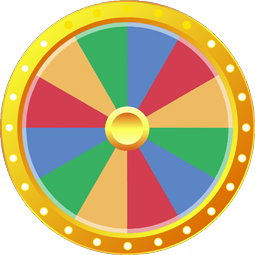
Class Schedule Wheel is a free online wheel spinner with 12 options, including Math Time, Science Lab and Study. Click or tap the wheel and it stops on one random result.
A Science Lab delay can blur the whole afternoon before the class realizes it. Classroom Schedule Wheel gives the next block a visible shape when the timetable is half erased, students are restless, and the routine needs a firm reset.
The issue is not just lost time. Students notice when the day gets loose. They test the edge of instructions, ask what comes next, and start filling the gap with side talk before the teacher has the room back.
The board still shows part of the old plan. Math Time was supposed to start earlier, Lunch is fixed, and Clean Desk suddenly feels too far away to mention. That blurry stretch is where classroom control gets harder.
Use the wheel to set the next reasonable block, then make the cue visible. The class needs one answer they can follow now.
Unplanned Shifts That Disrupt Math, Lunch, or Cleanup
An interrupted schedule needs fast sorting. If Science Lab runs long, the next block should protect fixed times and reduce classroom friction. Lunch should stay locked, while flexible blocks like Read Time or Clean Desk can move if the day needs repair.
The goal is routine stability, not a perfect recovery. Students settle faster when they see that the day still has order.
If the class mood is already affecting the transition, class plan adjustment ideas can help connect the schedule change to the bigger lesson flow instead of treating the delay like a separate problem.
Use the Schedule Wheel to Choose the Next Class Block
The wheel works best after the teacher removes anything that cannot happen next. If Gym Time needs the hall and the space is unavailable, it should not stay in the active set. If Read Time fits the room and materials, it becomes a stronger candidate.
Classroom Schedule Wheel should make the next move clear, not random for its own sake. The result gives the class a visible decision point, while the teacher keeps control over what options are realistic.
For days when the class needs more energy than structure, classroom challenge transitions can support a short active block without losing the lesson rhythm.
Turn the Result into a Visible Routine Cue
Once the result appears, put it where students can see it. Write the block on the board, point to the timer, and give the first instruction before the room starts negotiating.
If Break Time is the result, define the boundary. If Math Time is next, place the first problem on the board before students open a new side conversation. The cue should be simple enough to follow without repeated explanation.
When social energy is driving the restlessness, class social energy cues can help the teacher decide whether the next block needs calm focus, partner work, or a quieter reset.
Adjust Day Plans for Labs, Gym, Reading, and Breaks
Not every block has the same flexibility. Science Lab and Gym Time depend on rooms, supplies, or shared spaces. Read Time, Clean Desk, and short review blocks can absorb disruption more easily.
Keep fixed blocks protected and flexible blocks useful. That is how the class sees structure even after the timetable changes.
Classroom Schedule Wheel works best when it supports teacher judgment. The wheel gives the next step, but the schedule still respects safety, space, timing, and student readiness.
Use the schedule as a control point.
A strong Schedule Control System helps the teacher recover the day without explaining every lost minute. The wheel sets one next block, then the visible cue, timer, and first instruction rebuild the class routine.
When a schedule change is uncertain, the yes or no wheel for schedule changes can support a quick keep or change decision after the teacher has already removed fixed times and unavailable spaces.
The best result lowers friction. Students stop guessing what comes next, and the teacher gets the room moving again.
A quick spin the wheel for class activities moment also gives educators a repeatable way to recover after delays, transitions, or partial timetable changes without rewriting the whole day.
Classroom Schedule Wheel should make the next class block visible, realistic, and easy to follow. Once the cue is clear, the routine can start working again.
After interruptions, set the next class block.
Which daily activities are on the class schedule wheel?
The wheel contains 12 standard school periods and tasks, including Math Time, Science Lab, Art Class, Lunch, and Clean Desk. Teachers and students use it to pick the next classroom activity or transition between subjects. You can enable the option to remove each winning slice so completed tasks like Lunch or Pack Bags are not chosen again during the day.
Can this wheel help manage classroom transition times?
This wheel determines the next routine block randomly, making transitions into tasks like Read Time, Study, or Clean Desk clear to students. Presenting the wheel on a classroom screen sets expectations visibly. You can also adjust spin speed and duration in the settings, or turn off ticking sounds if you need a quiet environment.
How do I add my own subjects to this schedule wheel?
You can edit or add subjects directly in the list next to the wheel, and the slices redraw instantly as you type. To replace the default subjects at once, switch to Text Mode and paste your entire schedule, one entry per line. You can also import a spreadsheet file, such as a CSV or Excel document.
Does every class activity have the same chance to be picked?
Every slice on the wheel has the exact same size, giving Math Time, Gym Time, and all other items an equal chance to win. The winner is selected using your web browser's cryptographic random number generator rather than a rigged algorithm. This guarantees an unbiased draw each time you click to spin.
More Education wheels you might like
More wheels from the same category. Pick one and spin it in seconds.


Randomly select a student while keeping classroom participation balanced