

 By Noah Reed
Published
By Noah Reed
Published
Classroom Social Wheel When Group Energy Needs Structure
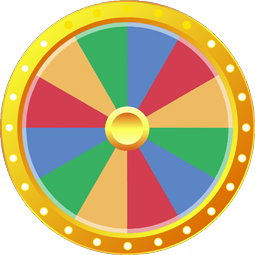
Class Social Vibe Wheel is an online education wheel built from 10 equally sized segments, among them Solo Work, Study Buddy and Silent Work. Every spin returns a single result.
Desks are half moved, chatter is rising, and the next activity needs a structure before louder voices take over. Classroom Social Wheel gives the room a visible way to shift between individual, partner, and group modes without turning the choice into another classroom negotiation.
The method works because it separates the social setup from personal preference. Instead of one table pushing for Group Work while quieter students hope for Silent Work, the wheel creates a shared signal that everyone can see.
The tension is already in the room. A few students are ready to talk, some are waiting for directions, and the activity has not even started. If the mode is unclear, the outspoken group sets the pace before the lesson goal has a chance to lead.
A social wheel changes that sequence. The teacher frames the task, the wheel selects the interaction style, and the class moves into the chosen format with less argument. The result is not random chaos; it is a quick way to match group energy to a usable classroom structure.
Group Size, Energy Level, and Lesson Goals Before Choosing Interaction
Interaction style should follow the learning goal. Pair Work can help students test an answer quietly before sharing. Full Class can work when the goal is one common discussion, but it can also pull attention toward the fastest voices.
The wheel is useful because it makes those tradeoffs visible. If the class needs movement but not noise, a small mode can do more than a whole room discussion. If students need shared reasoning, Group Work may fit better than isolated work.
Physical setup matters too. A classroom location choice wheel can support where the activity happens, while the social wheel decides how students interact once they are there.
The point is sequence. Space, goal, and energy should support each other before the activity begins.
When the lesson needs a focused interaction decision, a class social mode wheel can keep the setup close to the actual classroom behavior instead of making the teacher improvise under noise.
Run the Classroom Social Wheel for Solo, Pair, or Full Class Modes
Classroom Social Wheel works best when the teacher explains the activity first, then spins for the mode. That order prevents students from treating the spin like a game before they understand the work.
If the wheel lands on Solo Work, the cause is immediate fewer side conversations and more private thinking. If it lands on Pair Work, the effect is different because students have one peer to test an idea with before the room hears it.
Timing still matters. A class schedule planning wheel can help structure the wider day, but the social mode should be selected close to the activity so the class connects the result with the task in front of them.
Keep the explanation short. The class needs the mode, the role, and the first action. Extra talk drains the momentum the wheel just created.
Turn the Selected Mode Into Roles for the Next Activity
A mode is not enough by itself. Group Work needs roles, Pair Work needs a clear exchange, and Silent Work needs a visible finish point.
The mechanism is simple. The selected mode defines how students interact, then the teacher defines what each student does inside that mode. Without that second step, the wheel may choose the social format, but the room still has to guess the behavior.
Use narrow roles when energy is high. One student reads, one writes, one reports, or one checks the final answer. The structure keeps louder students from owning the whole activity and gives quieter students a defined place to contribute.
Make the role match the mode. That is where the spin becomes classroom management, not just a random option.
Peer Pressure Signs When Silent Work Beats Group Discussion
Sometimes the best social choice is less social. If students are copying the strongest voice, laughing before answers are finished, or waiting for one confident classmate to lead, Silent Work can protect the learning goal.
This does not mean the class has failed. It means the interaction style is creating pressure that blocks honest participation. A quieter mode can reset the balance before students return to discussion.
Watch the first minute after the spin. If students understand the mode, the room settles into the task quickly. If they keep asking who is leading or what to say, the mode needs tighter instructions.
Make the Social Setup Fit the Lesson
The strongest use of this tool is not letting the wheel replace teacher judgment. It is using the spin to make the social setup clear, then applying classroom evidence to keep it fair.
If students are hesitant, the wheel can lower the pressure by making the format feel shared instead of personal. If the class is restless, the selected mode gives the teacher a fast structure before side conversations spread. For broader classroom choices, a random option spinner can support multiple formats, but interaction choices need special attention to group behavior and peer pressure.
Classroom Social Wheel is most helpful when students trust that the format serves the activity. The class does not need a long debate about whether today should be Solo Work or Group Work. It needs a clear mode, a fair reason, and a fast start.
A teacher can also spin the wheel for other classroom routines when the same visible process helps students accept the next step. The value comes from consistency: students see the method, understand the result and move into the task without waiting for the loudest opinion to win.
That consistency changes the room. The wheel gives the class a shared signal, and the teacher turns that signal into a calm activity structure.
Set today's classroom mode before discussion starts
When should I spin the class social vibe wheel?
Spin this wheel during lesson transitions or right after a lecture to decide how students interact next. Picking an option like Silent Work or Group Work randomly prevents arguments about working alone versus in groups. If you need a break between heavy academic blocks, outcomes like Talk Time or Board Game let students relax together under clear boundaries.
Which classroom activities work best with this wheel?
This wheel works best for shifting between independent focus and collaborative sessions throughout the school day. Slices like Solo Work or Peer Review suit targeted writing and editing tasks, while Team Quiz or Study Buddy support active revision. The tool draws each slice with equal probability using your browser's cryptographic random generator, keeping every transition fair for students.
How do I change the spin duration for quick picks?
You can adjust the spin length and speed directly in the wheel settings to match your lesson pace. Shorten the duration for rapid classroom transitions between tasks, or lengthen it to build anticipation before group activities. You can also turn ticking, win, and lose sounds on or off depending on the noise level you prefer in class.
Can I adapt this wheel for staff meetings or team workshops?
You can easily modify the list to suit professional development, staff meetings, or remote workshops. Edit the list next to the wheel, or paste new interaction types into Text Mode, one per line. Slices redraw immediately as you type. You can also turn on the option to remove each winner so that a format is not selected twice during your session.
More Education wheels you might like
More wheels from the same category. Pick one and spin it in seconds.

Randomly select a student while keeping classroom participation balanced


Keep classroom participation balanced during loud, fast paced group activities