

 By Alex Bennett
Published
By Alex Bennett
Published
Quit My Job Before a Career Exit Decision
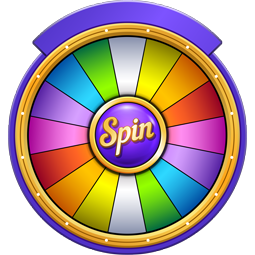
Quit Job Wheel is a free spinner listing 47 options — Quit Today!, Job Hunt and Remote Work among them. Tap once and the pointer picks one at random.
The resignation note feels decisive; the next rent payment feels louder. Quit My Job gives that tense career moment a controlled pause, especially when frustration from another ignored meeting is starting to outrun your actual exit plan.
This wheel is not there to make a serious work choice careless. It helps you pull one option into view, then test it against income, burnout, timing, and the advice you already know matters.
Why this choice gets heavy fast
The problem is not just leaving a job. It is sitting with a half written message, replaying the meeting, and knowing your paycheck still protects the plan you want to escape. That gap creates pressure from both sides.
A result like Wait 1 Month may feel disappointing if you wanted relief today. A result like Talk to Boss may feel uncomfortable if you have already been ignored before. Still, a named result is easier to inspect than a tense loop in your head.
Run the Quit My Job Wheel Across Resign, Wait, and Plan Options
The wheel works best when the possible outcomes are not all extreme. A useful spin can point toward leaving, staying briefly, or preparing a safer move. That range matters because career stress often makes every option feel urgent.
Look at the result as a category first. Is it telling you to act now, gather more information, or build a buffer? That single filter can stop the moment from turning into a rushed resignation.
For smaller life choices where the stakes are lower, a weekend plan decision wheel can handle everyday hesitation without mixing it into a serious career call.
Weigh Burnout, Savings, and Mentor Input Before Setting a Date
Burnout can make quitting feel like the only clean answer. Savings can make that same answer feel unsafe. Mentor input adds a useful outside angle because someone removed from the office tension may see whether the issue is the role, the manager, the workload, or the timing.
If Ask Mentor comes up, do not treat it as avoidance. It can protect you from making a high pressure move before checking your runway, your references, and your next realistic step.
Even a simple household prompt like a clean room yes or no prompt shows how one clear answer can reduce friction, but a career result needs stronger filters because income and reputation stay involved after the spin.
Turn One Result into a CV, Raise, or Exit Step
A wheel result becomes useful only when it turns into a concrete action. Update CV means opening the file, fixing the latest role, and making the next application easier. Ask for Raise means preparing evidence, not walking into a tense conversation unplanned.
Save Money may feel slow, but it changes the risk level. It can turn a vague wish to leave into a date, a target, and a safer path. Keep the next move narrow enough to complete.
If you want to separate this career question from other random tools, the wider decision wheel library gives you a place for lighter prompts without turning this one into casual entertainment.
Handle Family Pressure and Recruiter Timing When the Answer Feels Risky
A result can look calm on screen and still feel complicated at home. A partner may worry about income, a mentor may warn you about timing, and a recruiter may be moving faster than your budget allows. Those signals are part of the decision, not background noise.
If the spin points toward Exit Strategy, use it to organize the next conversation. Notice period, savings target, recruiter follow up, and family expectations should become visible before any final message is sent.
Build a career change logic system
The safest way to use the wheel is to run every result through the same checks: emotional load, financial runway, opportunity cost and trusted input. That keeps the spin useful without giving it more power than it should have. Quit My Job can start the review, but it should not replace the review.
For a narrow second check, a yes/no answer picker can help you test one specific follow up, such as whether to schedule a manager conversation this week or wait until your budget is clearer.
A career decision also needs distance from the mood that created it. On SpinTheWheel.net, the wheel can create the first signal, while your savings, work history, and outside advice decide how far that signal should go.
The strongest move is simple: spin once, write down the result and translate it into one safe next step. If the step feels reckless after checking the numbers, slow it down. If it still feels necessary, make it specific.
Pause before resigning; check savings first
Should I quit my job today or stay?
The wheel helps you weigh immediate resignation against more measured choices. If it lands on Quit Today or Resign Now, consider whether your finances and plans are ready. If it points to Wait 1 Month, Save Money, or Talk to Boss, taking a step back may provide clarity. You can edit the entries list beside the wheel to match your specific circumstances.
Which career steps can this wheel help me choose?
The wheel includes immediate actions like Update CV, Call Recruiter, and Ask for Raise, alongside longer-term options like New Career or Go Freelance. These entries provide practical alternatives to simply walking away. All slices are equal in size, and the wheel redraws automatically if you add your own job goals or remove options in the list next to it.
How do I eliminate options so they do not repeat?
You can turn on the option that removes each winner from the wheel after it is selected. This prevents entries like Seek New Role or Stay & Fight from being drawn a second time. It helps if you want to eliminate choices step by step. You can also delete items manually from the entry list beside the wheel at any time.
What if I do not like the career result from the spin?
Disliking a result like Work Harder or Stay Put usually clarifies what you actually want instead. You can spin again, or remove the unwanted choice directly from the text list next to the wheel. Editing entries updates the wheel immediately, allowing you to narrow the options down to decisions you are genuinely willing to pursue.
More Decision wheels you might like
More wheels from the same category. Pick one and spin it in seconds.